

Why Carbon Fiber Actually Works in Steam Ovens
Let’s be honest: steam ovens are brutal on heating elements. Between the high heat and the constant humidity, standard metal coils usually just give up. They oxidize, they corrode, and then they fail right when you’re in the middle of a rush. That’s why we switched to carbon fiber. It just handles the moisture better. You don’t get those nasty corrosion rates that kill off traditional alloys.
The secret is in the heat
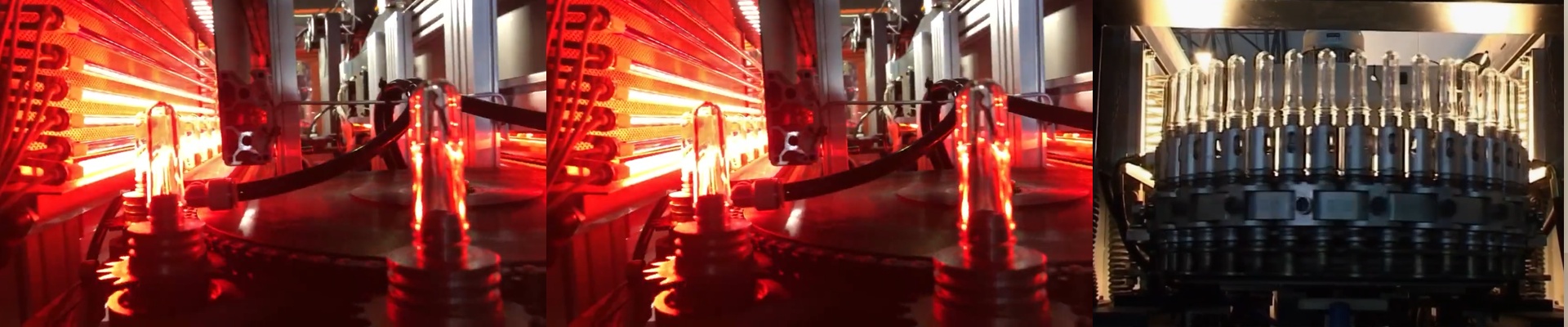
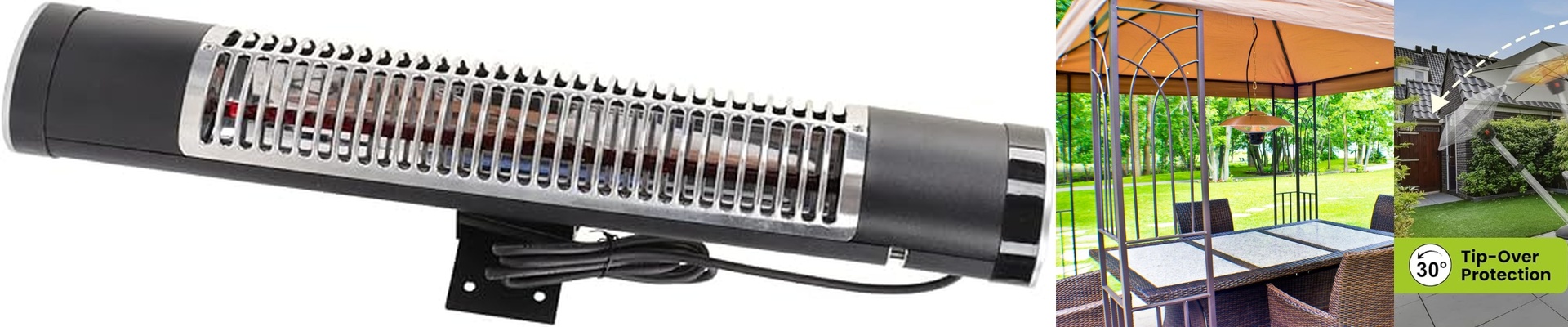
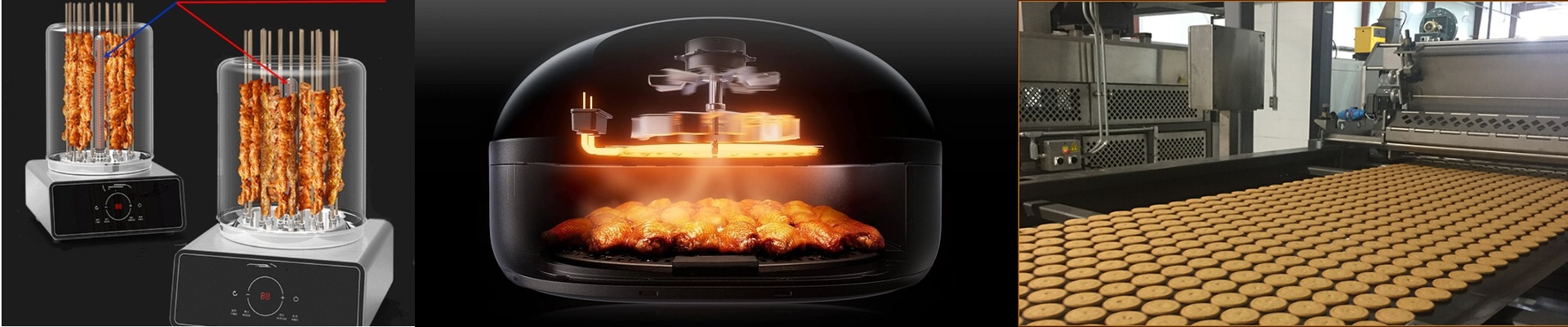
Carbon fiber doesn’t just get hot; it puts out a specific kind of infrared heat. Instead of just blowing hot air around, this heat actually sinks into the dough and the crust. The best part? We tuck the filaments inside a quartz or ceramic sleeve. This keeps the core totally isolated from the steam. So, when the oven hits peak humidity, the element doesn’t panic and burn out. It just keeps doing its job.
No more waiting around
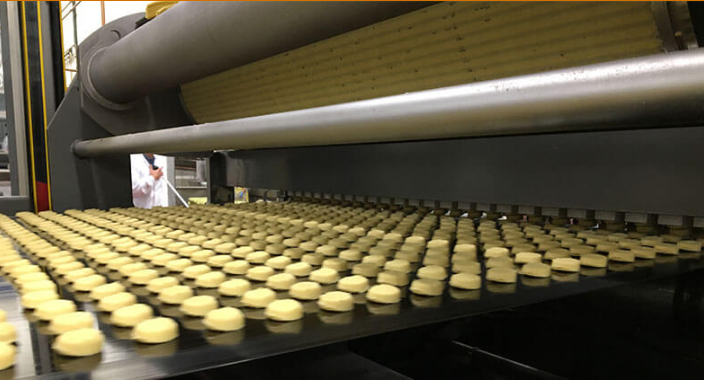
In a commercial kitchen, every second counts. You can’t afford to wait twenty minutes for an oven to catch up. Carbon fiber has very low thermal mass. In plain English: it gets to temperature almost instantly. Because it reacts so fast, your PID controllers can make tiny, precise tweaks to the heat. This stops that annoying “overshoot” where the oven gets too hot for a second and ruins your crust.
A few things to watch out for
Now, these aren’t magic. They have their quirks. If your voltage regulation is messy, the filaments can snap from thermal shock. You need a stable power supply, period. I’d also suggest using high-grade insulators. You want the heat going into the bread, not soaking into the oven chassis.
Getting them installed
If you’re still running old halogen or metal tube systems, these are a breeze to swap in. Just make sure you wire them to a dedicated circuit so you don’t deal with electrical interference. And when they finally do wear out? It’s simple. You won’t see a slow, annoying dip in heat. Instead, the filament just snaps. It’s a clean break, which makes it incredibly easy for your maintenance person to spot the problem during a quick walk-through.