Fixing the “Burnt Outside, Raw Inside” Problem in Rotary Ovens
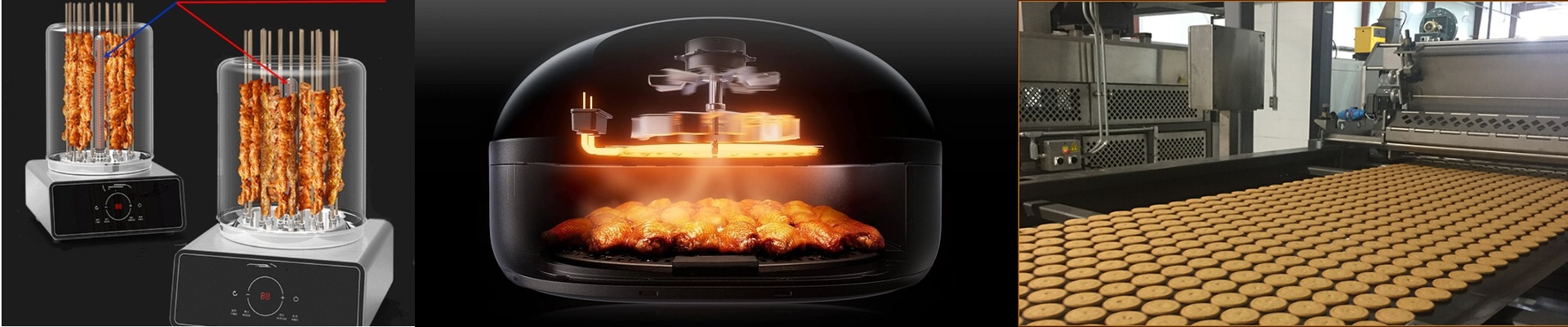
We’ve all been there. You’re cooking a thick cut of meat and you pull it out only to find a charred exterior and a center that’s practically still frozen. It’s frustrating. To fix this, we started putting short-wave infrared (IR) heaters into our rotary ovens. Here’s why: convection relies on moving air, which is slow. IR radiation is different. It actually sinks deeper into the meat, hitting the protein structure instead of just dancing around the surface.
How it actually works
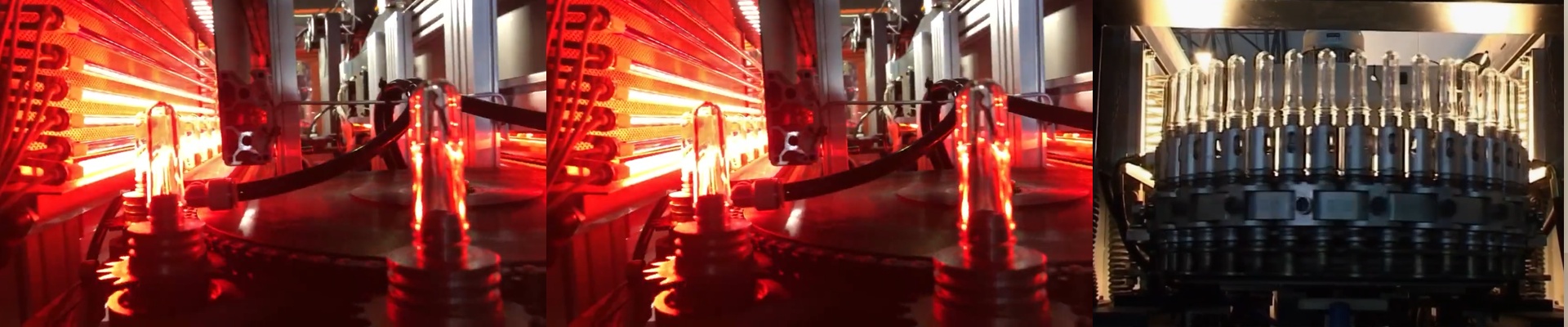
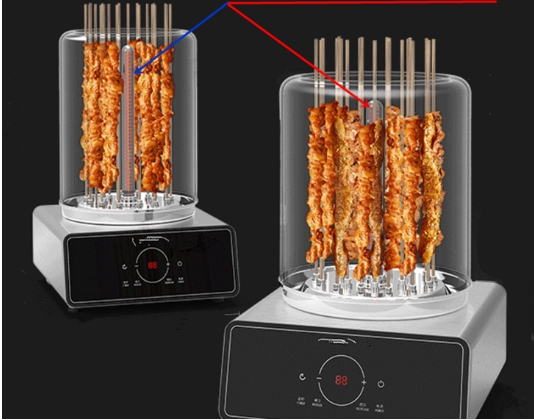
Standard heaters usually have a “lag” that ruins the meal. We use high-wattage IR lamps that can push heat right through that initial crust. Since the meat is rotating, no single spot gets blasted for too long. It just keeps spinning through the heat zone, letting those IR waves drive the temperature toward the core without burning the skin. And we didn’t just leave it to chance. We added PID controllers and fast-response thermocouples. In plain English? You get total control. You can crank the heat to get a perfect sear, then dial it back instantly so the Inside can catch up. No more guessing games.
The trade-offs
Now, these IR heaters put out a ton of heat. Like, a lot. If you go for maximum wattage, you have to make sure your oven’s vents and housing can handle the rise in temperature. If the air doesn’t move around the lamp sockets, those filaments are going to pop way sooner than they should.
Setting it up and keeping it running
We built these to be drop-in replacements for standard rotary arrays, so they fit right in. The wiring is simple, but just a heads-up: check your power supply. These things have a big “inrush” of current when they first kick on, and you don’t want to trip a breaker mid-service. One last thing—keep those quartz tubes clean. Grease buildup on the glass blocks the heat and creates hot spots that can actually crack the tube. Give them a wipe, keep the glass clear, and the heat stays consistent.