How to Crank Up Your Pizza Production with Infrared Ceramic Heaters
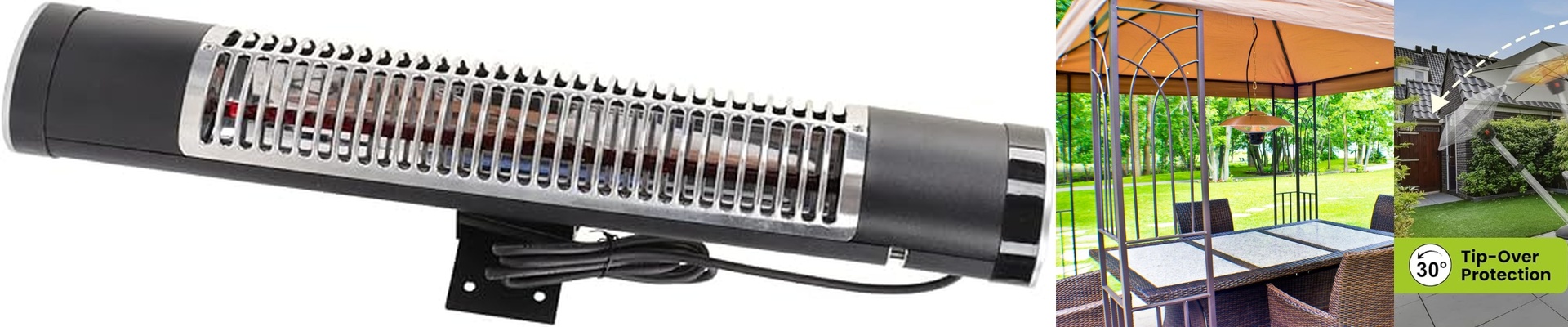
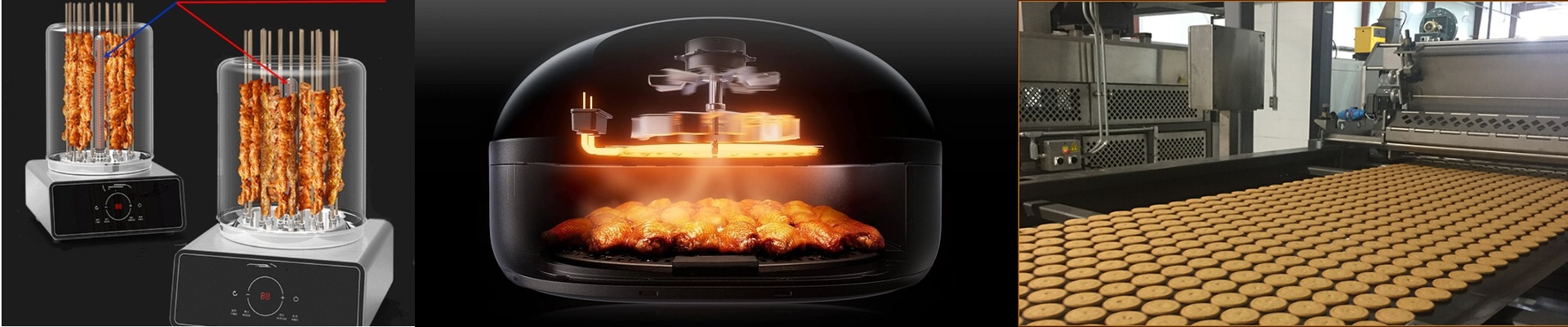
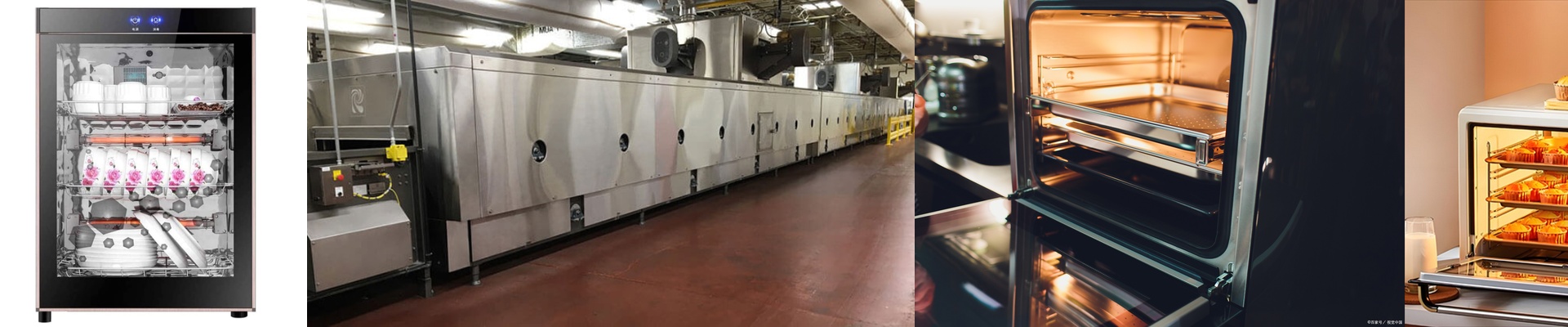
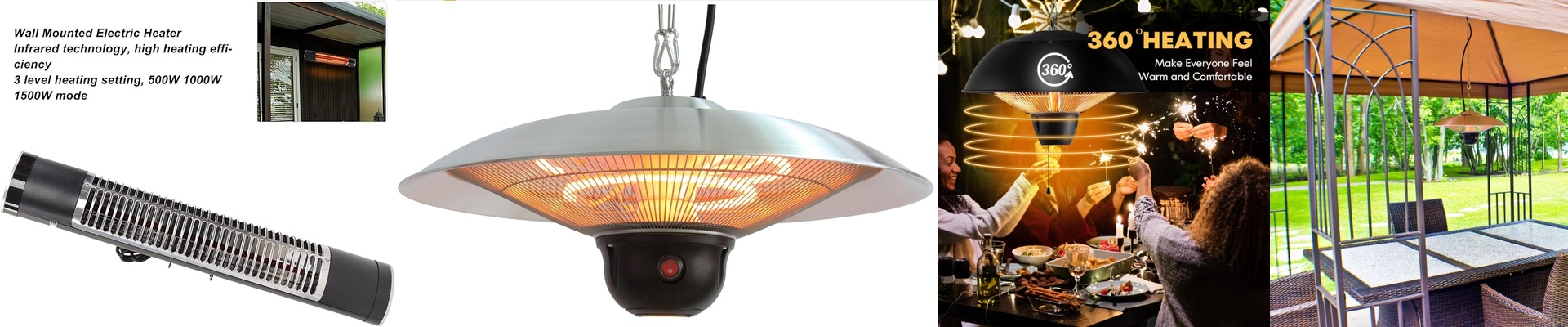
Most convection ovens are just heating up air, and honestly? That’s a slow way to do things. We do it differently. By using infrared (IR) ceramic heaters, we skip the middleman. Instead of waiting for the air to get hot, we dump that heat straight into the dough and the toppings. It changes the math completely. You can take a bake time that used to be 300 seconds and slash it down to 90. And the best part? The center actually cooks through. No raw dough surprises. The secret is the heat density. These ceramic heaters use short-to-medium wave radiation. Unlike those old-school coils, these things hit their target temperature almost instantly and stay there. When you put these in your pizza line, the energy hits the food the second it enters the oven. The crust sets faster. The cheese melts in a blink. It’s just efficient. Now, we know you’re worried about what’s actually touching your food. We get it. That’s why we use high-purity alumina ceramics and coatings that won’t flake or smell weird when things get scorching hot. Plus, these heaters are tough. They’re built to survive the grease and steam of a busy kitchen without giving up. They’re also pretty small, so you can mount them closer to the pizza, which means your machine doesn’t have to take up half the room. But here’s the thing: there are a few trade-offs. When you speed up your production this much, your electrical panel is going to feel it. Jumping from a 5-minute cycle to a 90-second cycle requires a lot of power all at once. You’ll want to double-check that your wiring and breakers can handle the extra amperage. Also, keep an eye on your ventilation. If the air isn’t moving, the heat can build up around the housings and fry your sensors sooner than you’d like. Setting them up is a breeze, as long as you use high-temp leads. Once they’re in, you’ll feel the difference immediately. You’re pushing out way more pies without having to buy a bigger oven or find more floor space.