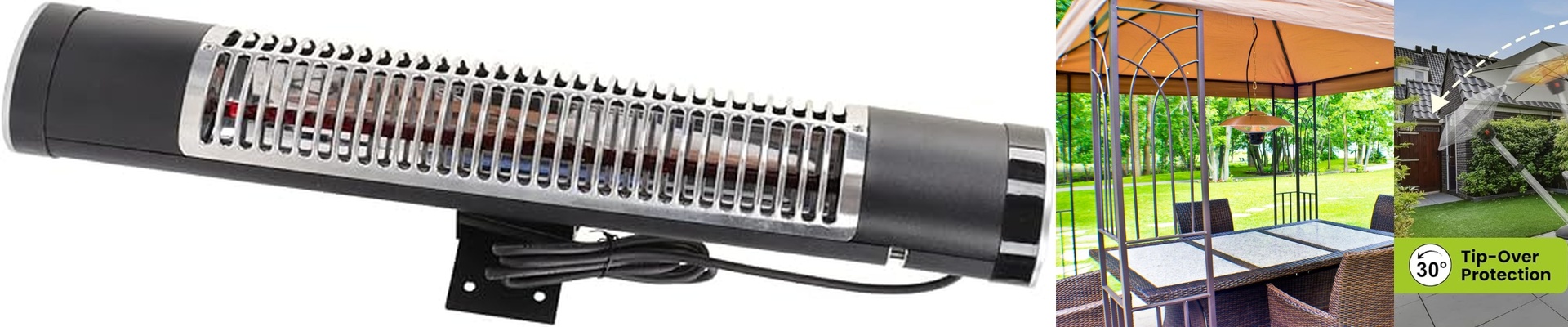
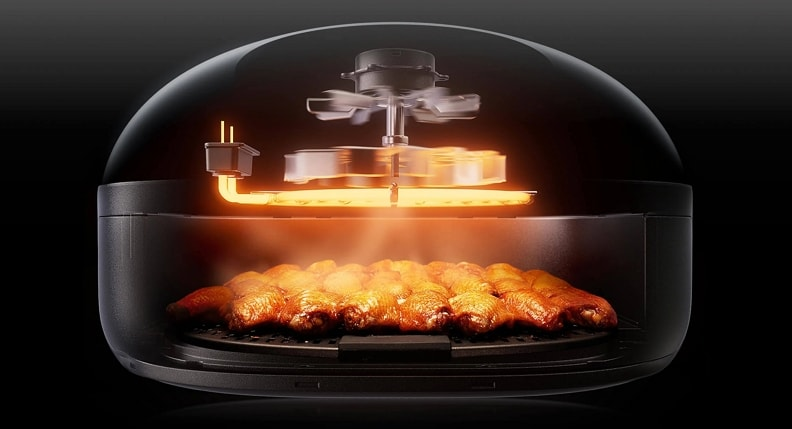
In a busy commercial kitchen, oven downtime and uneven bakes cost more than ingredients—they cost you service. When your convection oven takes too long to recover, pizzas slide, bread crusts go pale, and the whole line slows down. A rapid-heating element for convection ovens is built for exactly that pressure: it cuts preheat and recovery time while keeping airflow steady inside the baking chamber.
What matters, technically
We build these elements around high-response resistive conductors and tight thermal coupling, so heat moves fast from the coil to the air. In practice, that means a quicker ramp-up and less temperature droop when the door opens and closes. The specs that actually matter are power density matched to oven volume, a stable resistance curve across bake and roast cycles, and termination points that can take repeated thermal cycling without giving up. We size each element to the oven’s airflow pattern, not just its cubic footage, so hot air keeps moving evenly across every rack.
Why it works in real service
On pizza service, the oven comes back to set temperature fast, so the crust blisters on schedule and the cheese melts without scorching. In bakery deck ovens, the stone hearth holds steady between loads, which protects lamination and caramelization. For food warming and finish work, the chamber recovers quickly after each pan goes in, so plates go out consistent—never dried out. The payoff is fewer under-bakes, fewer over-bakes, and a calmer workflow when the rush hits. Energy use per bake cycle typically drops because the oven spends less time chasing temperature.
What to know before you order
Installation is straightforward, but clearance and airflow are non-negotiable. Mounting geometry has to match the original element footprint; otherwise you’re asking for hot spots. These elements are designed for convection ovens—they’re not a direct swap for every deck oven configuration. Verify voltage, connector type, and mounting brackets before ordering, and keep the oven’s thermostat calibrated to match the faster response. When everything lines up, you get faster heat, tighter control, and fewer service calls.