Getting That Perfect Caramelized Crunch
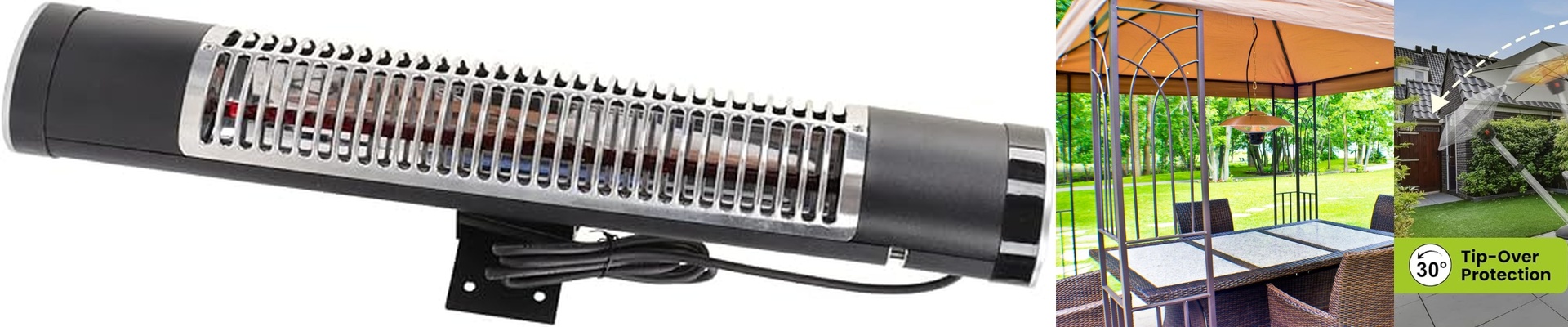
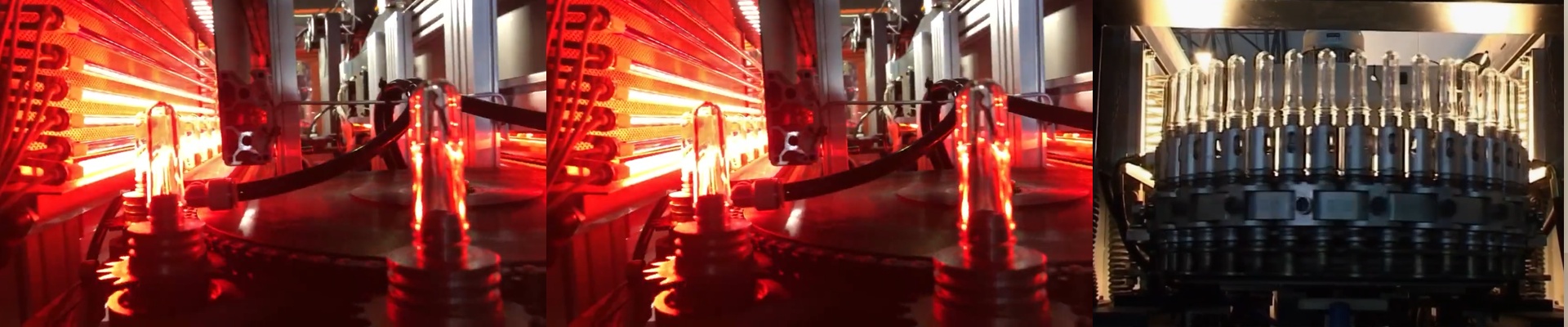
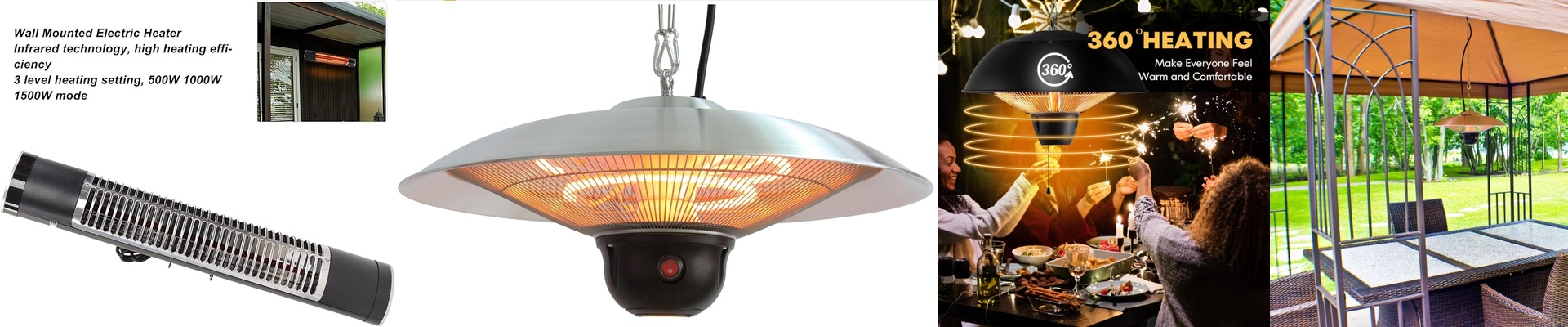
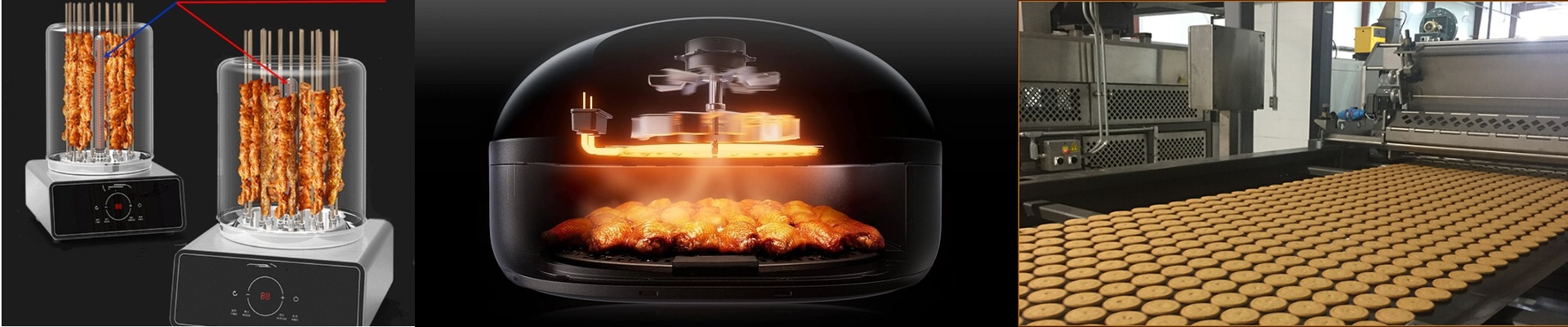
Getting that golden-brown crust—the kind that actually tastes like something—is all about timing. You’re chasing that sweet spot where sugars break down just right. If you’re using a standard convection oven, you’re fighting a losing battle because air is just too slow. That’s why we go with halogen infrared heaters in our rotary ovens. They give you an instant burst of energy. It hits the surface hard and fast, triggering that caramelization without turning the inside of your food into mush. Why the tech actually matters Here is the deal with how this works: you’ve got a tungsten filament inside a quartz tube. When the power hits, it sends out shortwave infrared radiation. Unlike air, which has to warm up the space around the food, these waves move at the speed of light. They hit the food directly. You flip a switch, and the heat is just there. No waiting around for the oven to “catch up,” which means you don’t end up ruining a whole batch because of a lag in temperature. You can dial the heat up or down in seconds to hit that exact window you’re looking for. The nitty-gritty of the build If you want that satisfying “snap” or crisp, you need heat density. We use high-wattage heaters relative to their size so the energy stays concentrated right where it needs to be. We also make sure the quartz glass is high-purity. If it’s cheap glass, it clouds over when it gets hot, and you lose your heat. One thing to watch out for: the wiring. These systems pull a lot of current. If your connectors are loose, you’re asking for trouble. A bad connection can literally weld your terminals together or fry the socket. It’s not fancy, but it’s a detail that saves you from a midnight repair. The trade-offs Now, shortwave IR is aggressive. It doesn’t play around. Because it hits the surface so fast, it’s easy to scorch the outside if you aren’t careful. You have to find the right balance between the lamp’s wattage and how fast the oven is rotating. And a word of advice: if you crank the wattage to shave a few seconds off your cook time, keep an eye on your cooling fans. If you don’t move enough air away from the chassis, the heat can actually warp the oven frame. It’s a powerful tool, but you’ve got to respect it.