Stop Waiting for Your Oven to Warm Up
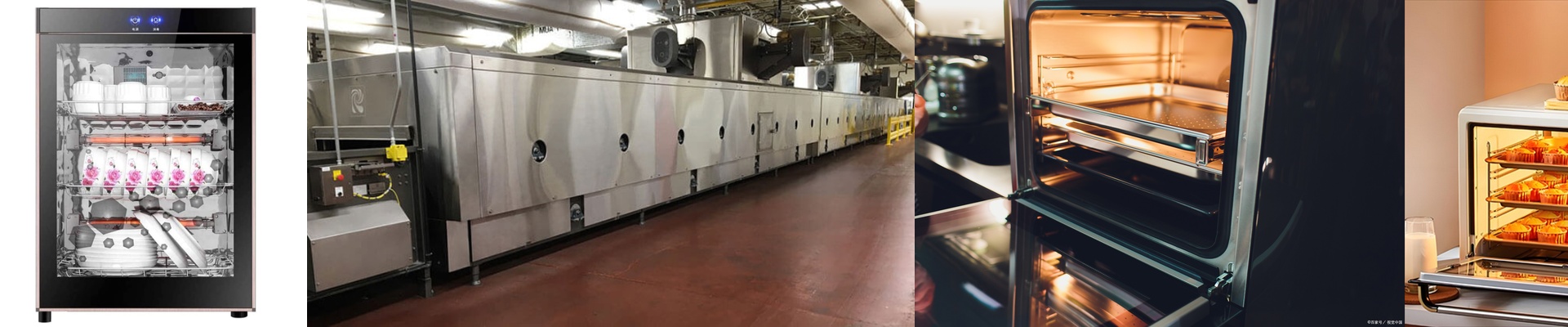
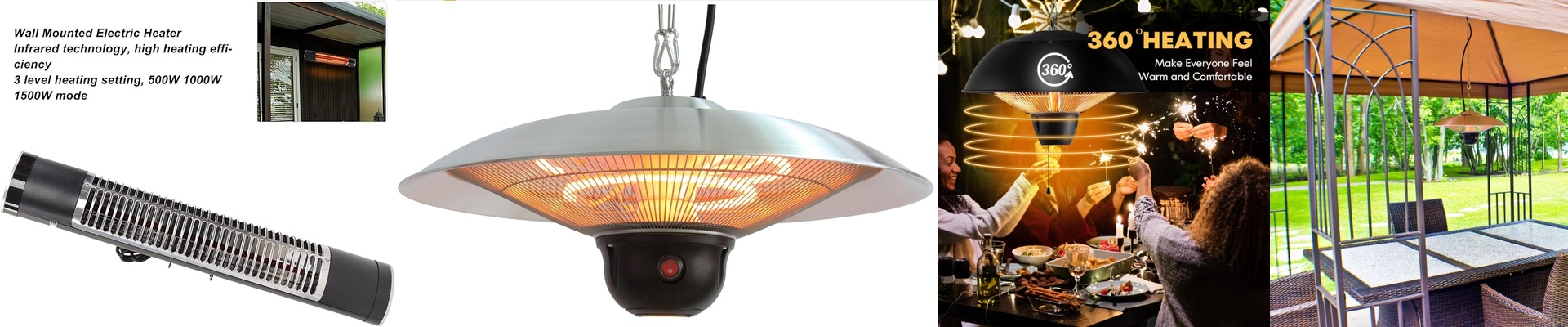
Most bread ovens work by heating up the air, which then slowly warms your dough. It’s a slog. We’ve ditched that entirely and switched to linear infrared (IR) heaters. Instead of waiting on the air, these heaters use electromagnetic radiation to hit the dough directly. The result? You can go from room temperature to 300°C in a heartbeat. It’s fast. Really fast. And that changes everything for your workflow.
How it actually works
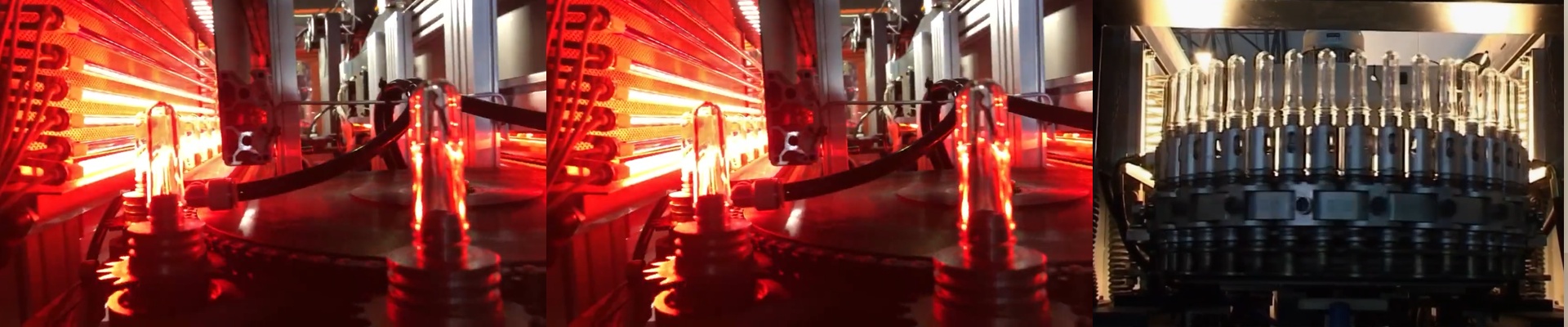
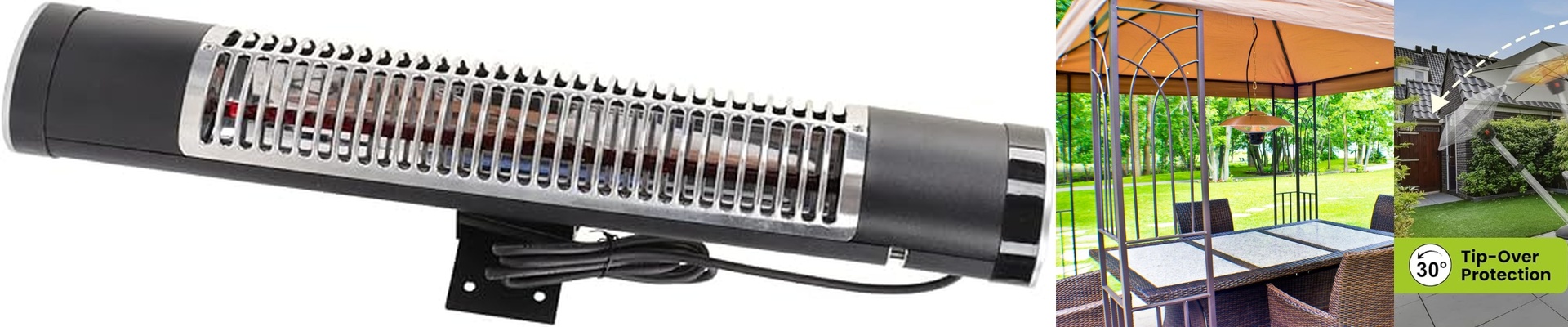
We use short-wave IR emitters here. While other heaters spend forever warming up the entire oven cavity, short-wave radiation just dives straight into the bread. The energy is concentrated. The second you flip the switch, the filament hits its peak temperature. You aren’t standing around waiting for a massive slab of metal to finally get hot.
What’s under the hood
We build these with high-purity quartz glass tubes because they can handle the shock of rapid heating and cooling without snapping. Inside, there’s a tungsten filament filled with halogen. This is the secret sauce—the halogen cycle keeps the filament from evaporating too quickly, so the lamp lasts a long time even though it’s running incredibly hot. If you’re swapping these into an older system, they’re designed to fit right in. Just a heads-up: make sure your controllers can handle the fast current draw, or you’ll have a problem on your hands.
A new way to bake
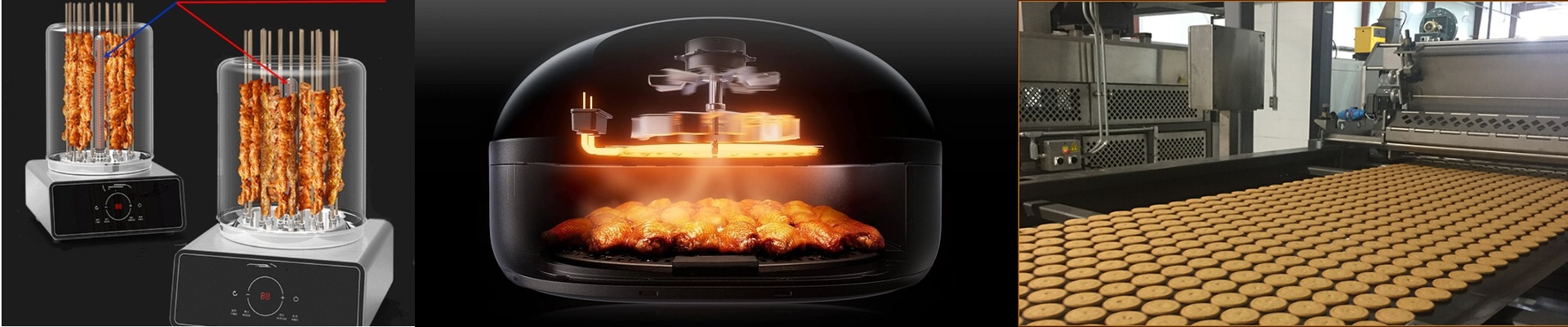
Switching to linear IR changes how you think about baking. You can now use “flash heating.” This lets you nail that perfect, crispy crust without accidentally turning the middle of your loaf into a brick. Plus, you can cut down your total bake time and save a ton of floor space. But there’s a catch. All that heat in one small spot is intense. You can’t skimp on your housing materials—you need high-grade insulation. And please, don’t block the airflow. If you do, the reflected heat can warp your reflectors or fry your wiring. Give it some breathing room. It’s non-negotiable.