Power, Voltage, and Size: The Secret Sauce
Let’s talk about what really matters in an automated kitchen: heat that shows up the second you need it. No waiting. No fuss. We built our heating elements to jump into action instantly. That means a high-voltage design that delivers power right away. Running at 400V gives you that extra electrical muscle, so the heat ramps up fast. The payoff? Warm-up time drops, and your cycles don’t get held up. And the size? It’s compact—about 300mm long. So it slips into tight spots without forcing you to compromise on power. The result is heat you can count on, every single time. Your control sequences run like they’re supposed to, without the drama.
The Build: Smart Choices, Simple Result
Here’s the thing about the tech inside: we use shortwave infrared halogen. It’s direct, focused, and just plain effective. The quartz envelope takes the heat without cracking, even when things heat up and cool down quickly. A special reflective coating keeps the energy moving forward, so less warmth gets wasted into the surroundings. For connections, we went with the R7s connector. It’s an industry standard, which makes wiring straightforward and swapping out a unit quick—no special tools, no headaches. And for control? We pair the heater with a fast-response thermal sensor that keeps your system in the loop. It sends real-time data, so temperature stays steady. No overshoot. No guesswork. Just precise, repeatable heat.
Why It Works in an Automated Kitchen
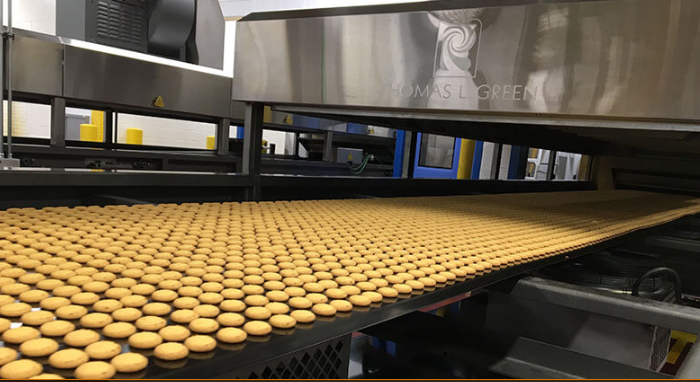
In an automated kitchen, the heating element isn’t the star—it’s part of the whole machine. It has to sync with conveyors, dispensers, and holding stations, and it has to do it smoothly. Our fast-response element makes that coordination possible. Food stays warmed consistently, surfaces finish evenly, and the temperature holds steady. The quick response also cuts down idle time between batches, so the line keeps moving. Now, a reality check: high heat density means you need proper thermal management. Your ventilation and shielding have to be up to the task. When they are, the components stay reliable, and you avoid premature burn-out. The upshot? A dependable, drop-in solution that fits right into upgrades and new builds, and just gets the job done.