Getting the Temperature Right in High-Stakes Baking
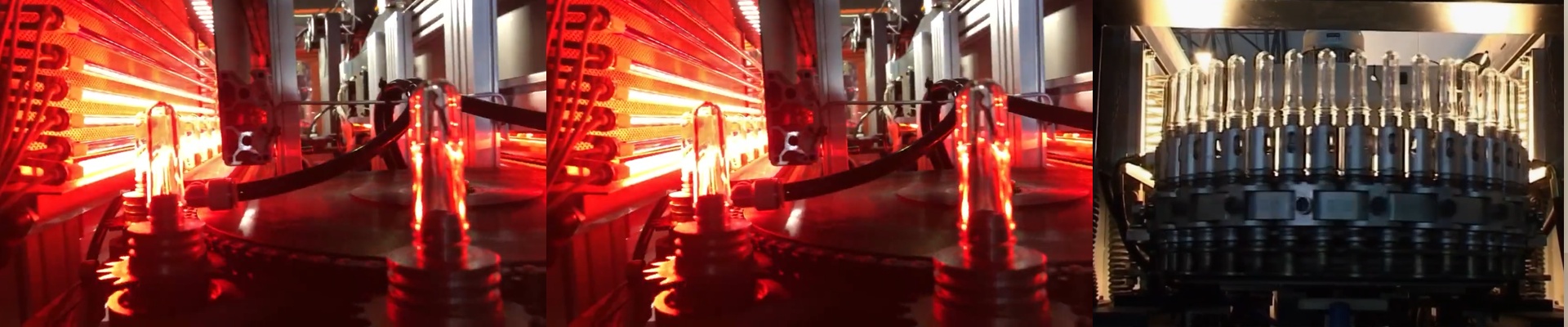
If you’ve ever tried to nail a professional-grade loaf, you know that just setting a dial to 450°F isn’t enough. You need to be able to jump between different heat levels in a heartbeat. One second you’re locking in the crust, the next you’re managing the crumb. The problem? Most heating elements are just too slow. They hold onto heat for too long, which means by the time the oven actually cools down, you’ve already missed your window. To fix this, we stopped relying on traditional coils and started using short-wave infrared heat lamps.
Why this actually works
Think of it this way: traditional heaters warm up the air, and the air warms the bread. That’s where the lag comes from. But these halogen-filled quartz tubes? They’re different. They shoot radiation directly onto the surface of the dough. It’s almost instant. When your controller cuts the power, the heat stops. Immediately. When it kicks back on, you’re back to full power in milliseconds. It lets you hit those tight temperature steps without that annoying “overshoot” where the oven keeps getting hotter even after you’ve told it to stop.
The nitty-gritty of the hardware
Since these lamps are cycling on and off constantly, we can’t use cheap parts. We use quartz glass because it can handle the intense pressure of the halogen gas without popping. And the connectors? They have to be tough. They’re expanding and contracting every few seconds, so if they aren’t rated for that kind of stress, they’ll just wiggle loose or burn out. One thing to watch out for is the wattage. You want enough power to hit your target fast, but don’t go overboard. If you put too much muscle behind it, you’ll scorch the outside of your bread before the middle is even cooked.
A few warnings on the setup
Here’s the catch: this setup is brutal on your switching gear. Because you’re triggering these lamps every couple of seconds, standard relays will literally weld themselves shut. You’ll need Solid State Relays (SSRs), and they need plenty of room to breathe—meaning a good heat sink. If your cooling isn’t up to the task, your control board is going to trip. Oh, and do yourself a favor: use high-temp silicone cabling. Regular wires will melt the moment they get too close to the lamp housing.