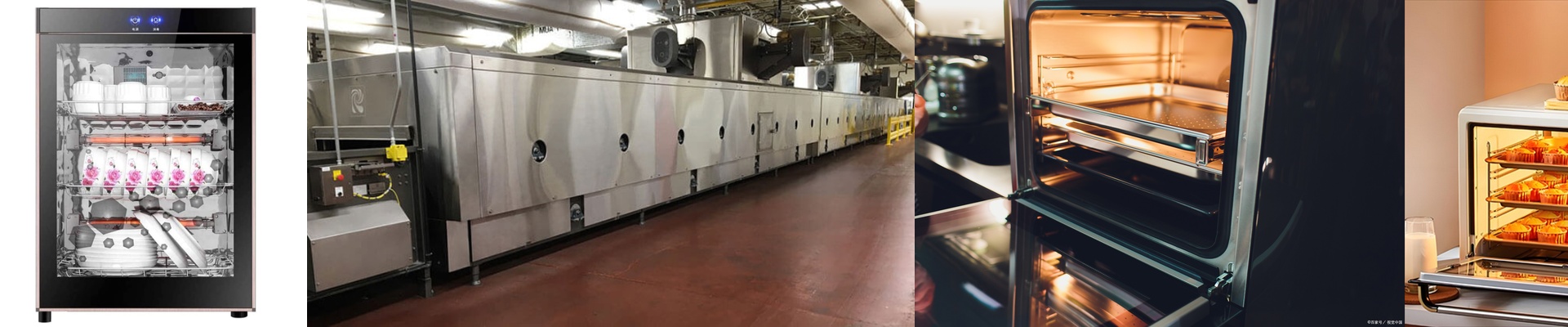
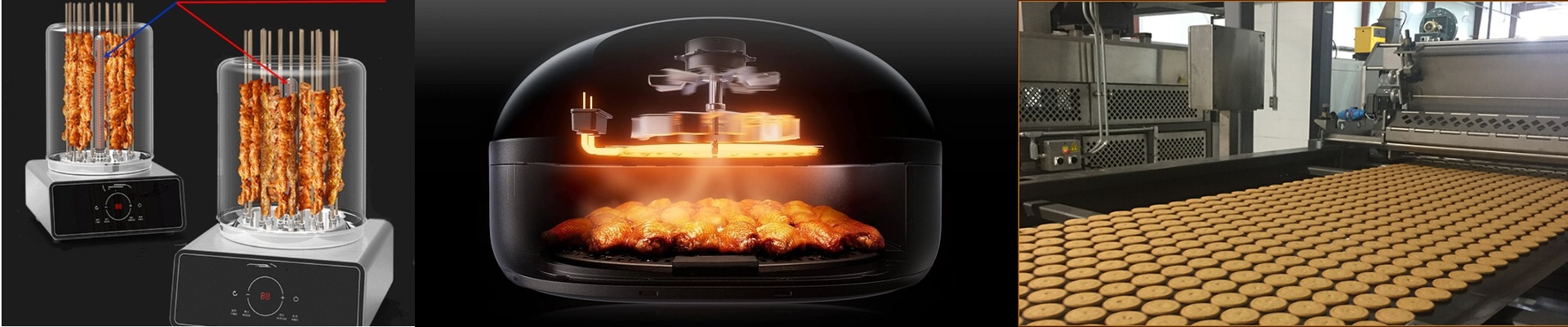
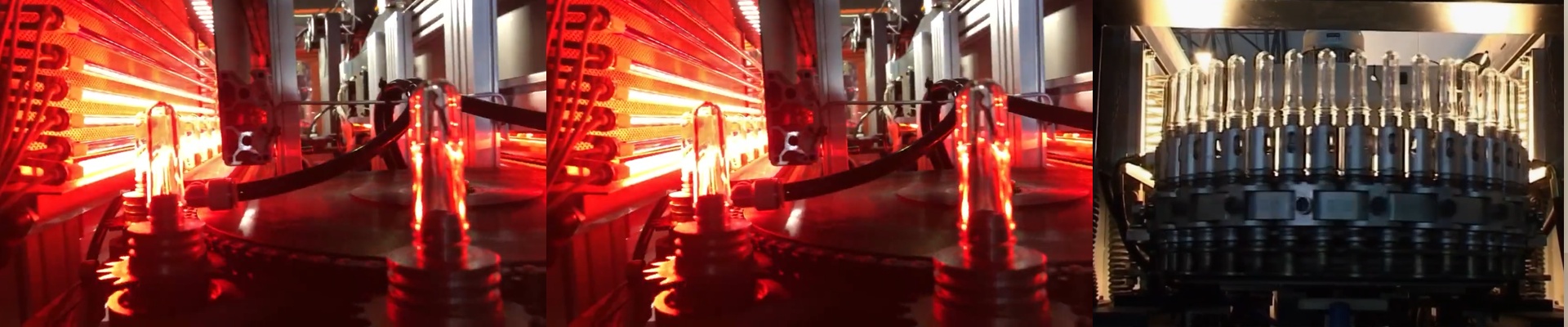
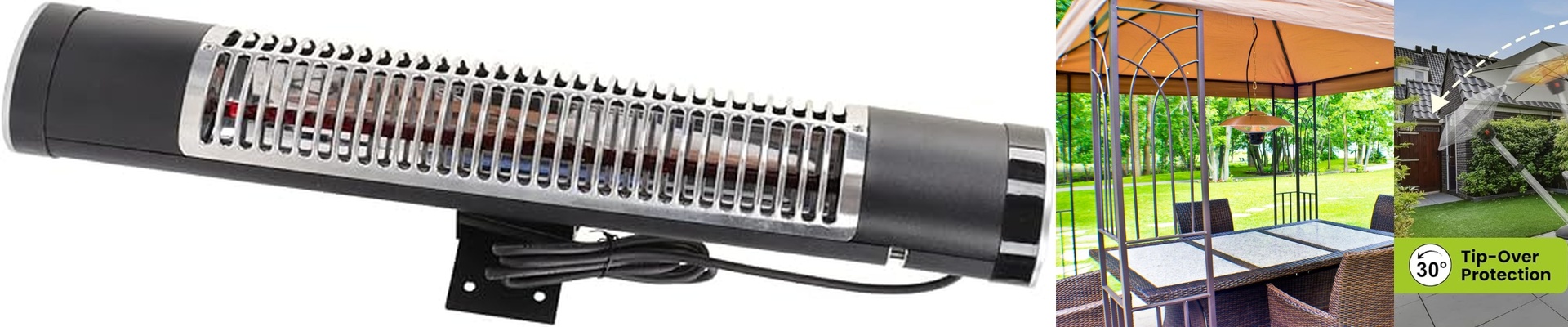
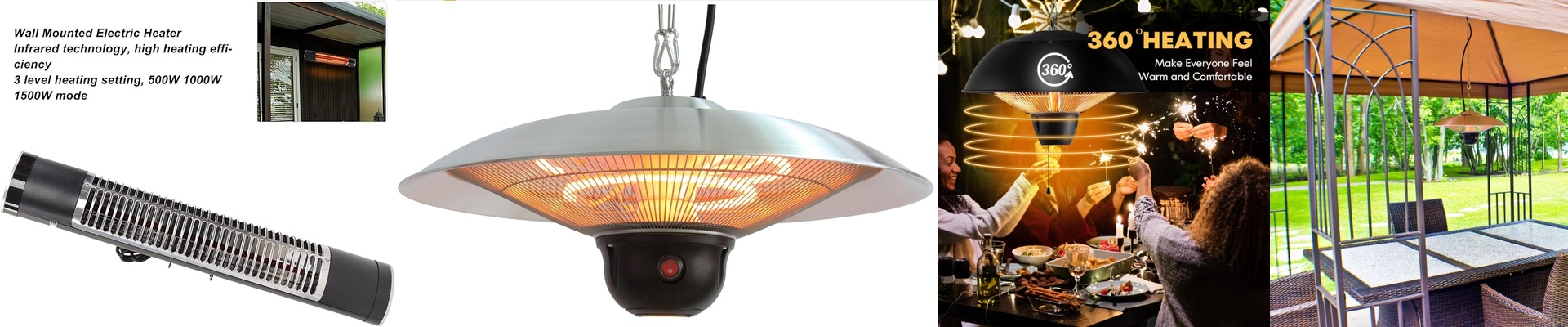
When the bake count starts climbing, the rotary oven becomes the heartbeat of the shop. Then the temperature dips. Crusts come out pale. The schedule slips, and every extra minute waiting for recovery costs you dough—literally. In a rotary oven, the heating element isn’t just a part; it’s the engine behind consistent heat. When it ages, the whole process feels it. We built our replacement thermal element for bakery rotary ovens around one straightforward idea: get heat back into the baking chamber fast, without hot spots, and keep it there, cycle after cycle. Infrared technology makes that possible.
What matters, technically
At the core, this element relies on infrared radiation—energy that transfers heat directly to the product and the hearth, not just the air. On the line, that gives you three wins you can feel.
- Instant response: Infrared elements hit operating temperature in seconds. When the door opens and heat escapes, recovery is quick, so your deck temperature doesn’t collapse mid-bake.
- Precise control: Output stays tightly tied to power input, and the thermostat can modulate with tight tolerances. That means fewer swings, fewer under-bakes, and less over-browning at the edges.
- Even radiation: The element spreads heat uniformly across the baking chamber. No cold corners. No hot edges. Just consistent crust development from the first tray to the last. Specs are chosen to match the reality of rotary ovens:
- Voltage and power: Available in standard commercial voltages to match your oven’s electrical setup, with wattage densities sized to chamber volume and typical bake loads.
- Dimensions and mounting: Engineered to match common element lengths and mounting brackets, with terminals built to handle the vibration that comes with rotary operation.
- Connector type: Fitted with industrial-grade connectors that survive repeated thermal cycling and make replacement straightforward.
- Material and build: Quartz or ceramic-based infrared emitters housed in a durable assembly that tolerates high ambient temperatures and resists thermal shock.
Why this works in a rotary oven
A bakery rotary oven lives on timing. Dough comes in proofed and ready, and it needs a predictable bake window. If the heating element is slow to recover, the operator compensates by extending time or raising temperature. Both moves hurt quality—and the bottom line. With an infrared replacement element, the oven snaps back to setpoint fast. That means:
- Better crust and color: Consistent radiant heat drives proper Maillard reaction and caramelization across the entire surface of bread, buns, and flatbreads.
- More predictable bake windows: When temperature recovers quickly, bake time stays consistent. Schedules hold, and rush orders don’t force quality compromises.
- Less energy spent per bake: Infrared delivers heat directly to the product and hearth, so you’re not wasting energy heating air that immediately escapes when the door opens.
- Fewer temperature swings: Even radiation cuts down on hot and cold zones, so trays on the same pass finish together, reducing rework and returns. On a busy day, that adds up to fewer late trays, fewer rejects, and a calmer production flow.
The details that make the difference
Installation is straightforward, but a few real-world details matter.
- Compatibility: Not every rotary oven uses the same element footprint. Check the oven make, model, and the original element specs—wattage, voltage, length, terminal spacing—before ordering. If the specs don’t line up, performance will drift, and the control system can’t fix that.
- Electrical safety: Rotary ovens pull serious power. Confirm amperage, grounding, and connector condition. A loose terminal under load can cause voltage drop, uneven heating, and a shortened element life.
- Mounting and clearance: Infrared elements perform best at the designed distance from the hearth and product path. Too close, and you risk overheating the surface; too far, and recovery slows. Stick to the original mounting points and maintain clearances.
- One trade-off: Infrared gives fast response and even radiation, but it’s sensitive to surface contamination. Spills, crumbs, and grease buildup can create shadows and hot spots. Keep the interior clean, and the element will hold its performance longer. If your rotary oven is showing uneven bake, slow recovery, or temperature drift, the element is usually the first place to look. Swap it for a spec-matched infrared thermal element, and you put control back where it belongs—on the timer, the crust, and the bottom line.