Stopping the Temperature Dip in Quartz Tube Ovens
Anyone who’s spent time in a bakery knows the struggle. You open the loading door, a blast of cold air hits the oven, and suddenly your internal temp tanks. It happens in a heartbeat, and if you’re not careful, it’s enough to ruin an entire batch. That’s why we use infrared quartz tubes paired with real-time compensation. It’s basically a safety net that stops those dips from messing with your product.
How the heat actually works
Most thermostats are a bit slow. They wait for the air to cool down before they realize there’s a problem, but by then, the surface of your pastry has already lost its heat. We do things differently. Our system watches the actual surface of the dough. The second it notices a gap between where the temperature is and where it should be, it pumps more current into the quartz tubes. It happens in milliseconds. You don’t even see it happen; the heat just stays where it belongs.
Why quartz?
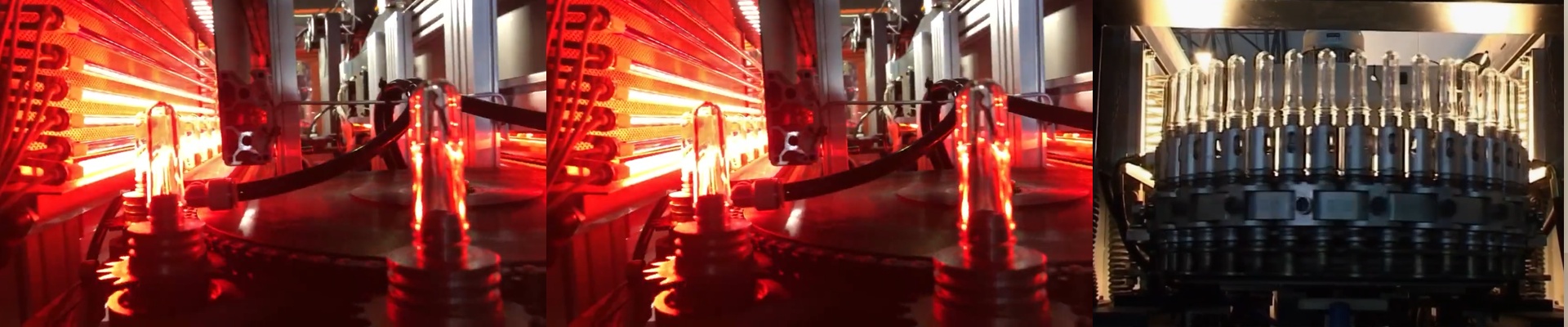
We use quartz because it doesn’t hold the heat back—it lets the infrared radiation fly straight through. This gives you a much higher heat density than a standard convection oven. The result? Your crust sets faster and the browning looks consistent across the whole tray. But there’s a catch. These tubes have to be tough. We spec them to handle “thermal shock,” which is just a fancy way of saying they can jump from 200°C to 400°C without shattering.
The honest trade-offs
Look, this kind of precision isn’t free. When you’re aggressively cycling power to fight a drafty factory floor, your relays and contactors take a beating. If your workspace is particularly cold, you’ll want to oversize your wiring. Otherwise, you’ll run into voltage drops that kill your efficiency. I also highly recommend a PID controller that’s tuned specifically for infrared. Without it, the oven tends to “hunt”—it overshoots the target, then drops too low, then overshoots again. It’s a headache you don’t need. One last tip: make sure your shielding is tight. You want that heat hitting the bread, not heating up the oven chassis.