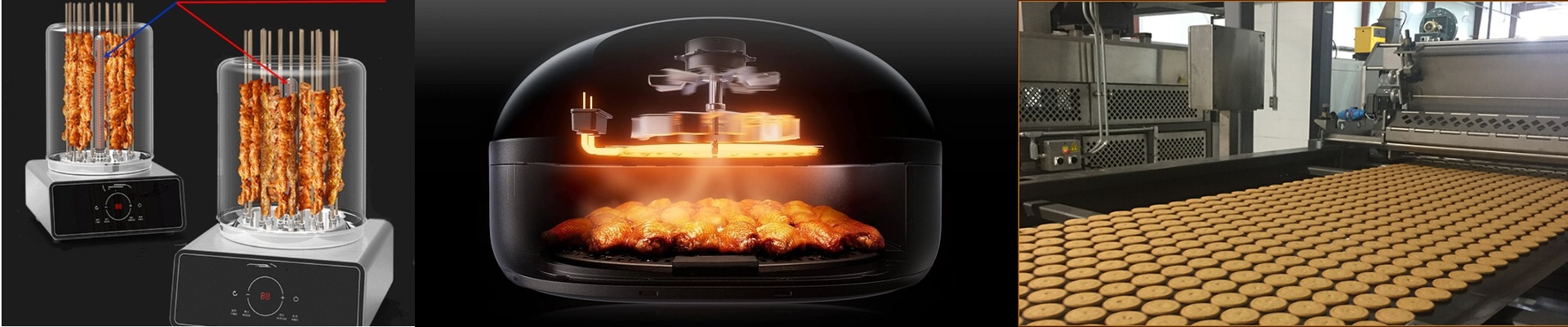
Stop Drying Out Your Food in Rotary Ovens
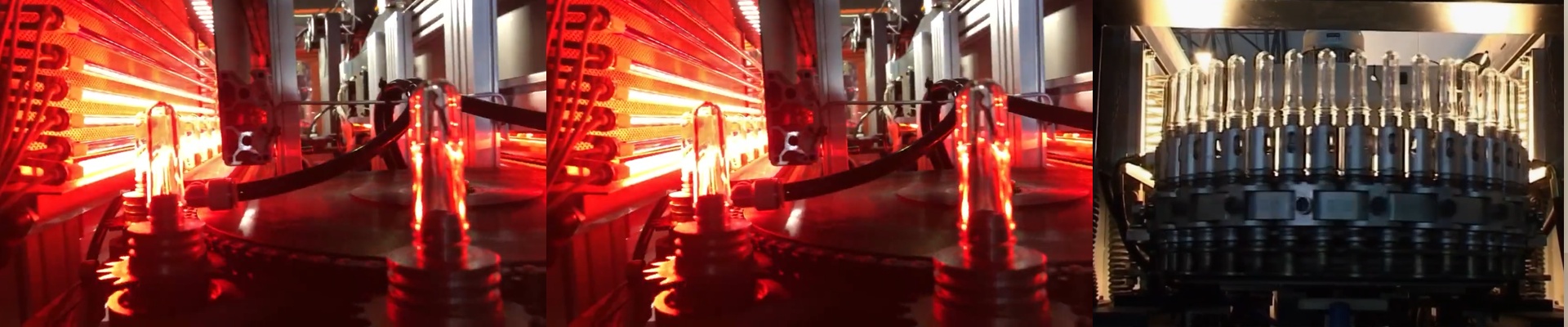
Ever pull a tray out of a rotary oven only to find the outside is burnt to a crisp while the middle is still practically raw? It’s frustrating. Usually, it happens because standard convection air just sucks the moisture right out of your food before the heat can actually get inside. We handle this differently. Instead of relying on hot air, we use short-wave infrared (IR) heaters. Think of it like sunlight hitting your skin—the energy travels directly into the food. It doesn’t need to “warm up” the air first.
Getting the Heat Just Right
When a heating element burns out, you can’t just throw any random part in there. You’ve got to match the wattage and voltage to your oven’s power rail. Here’s the trick: it’s all about the gap. High-wattage quartz tubes put out a ton of energy. If the tube is too close to the food, you’ll scorch the surface instantly. But if the wattage is too low for that distance? Your food will come out undercooked by the time the rotation cycle finishes. It’s a balancing act.
The Hardware Side of Things
We make these replacements out of high-purity quartz glass. We use this because it lets that short-wave heat pass straight through without getting trapped in the glass itself. The best part? You don’t need to be an electrician to swap them. Most of our tubes use standard R7s or SK15 connectors. You just unplug the old one and pop the new one in. No rewiring the whole chassis, no headache. For those of you working with delicate glazes, we have some tubes with special coatings. These shift the wavelength just enough so you don’t get that “flash-burn” look on your finished product.
A Few Things to Keep in Mind
The big win here is speed. IR responds instantly. You can crank up the heat in seconds and get moving. But, there is a catch. Quartz is fragile. It can handle the heat, but it hates “thermal shock.” If you hit a hot tube with cold water during a cleanup, it’ll crack. Also, keep an eye on your timing. Your oven’s rotation speed and the heater’s output have to be in sync. If your conveyor slows down for some reason, you’ve got to throttle the power. Otherwise, you’re right back to drying out your product.