Getting Your Deck Oven Temperatures Right
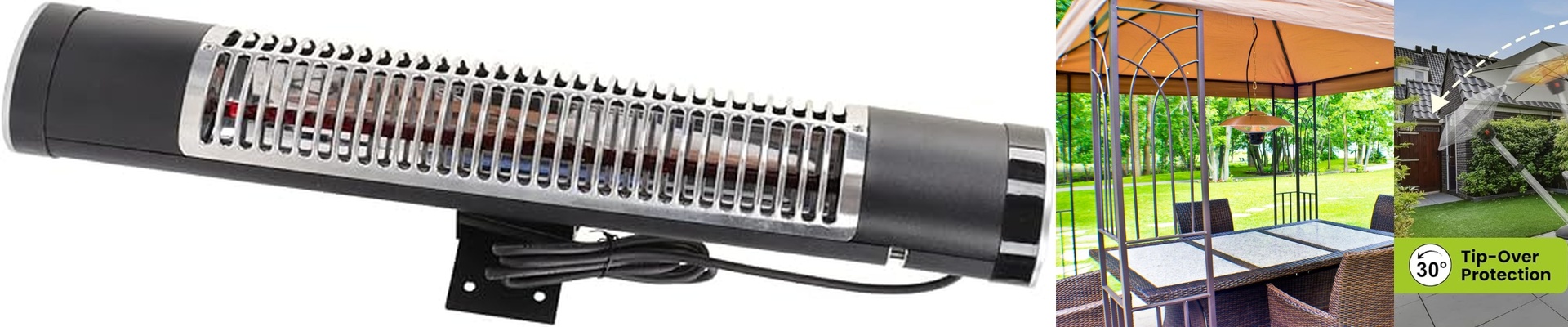
In an automated kitchen, your heaters can’t just “get hot.” They have to be smart. They need to listen to your control system and react instantly to keep the temperature steady across the entire deck. Think of our lamps as the muscle for your PID controllers—they take the electrical signal and turn it into targeted, short-wave heat exactly where you need it.
Why Speed Matters
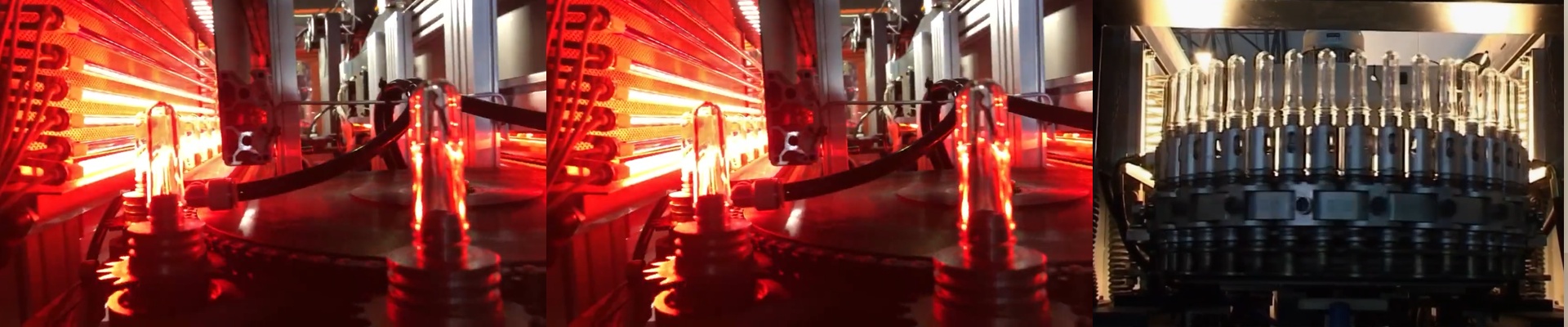
Here is the thing: deck ovens have to recover fast. The second a cold piece of food hits that surface, the temperature drops. If your heater takes too long to wake up, your product suffers. That’s why we stick with quartz-halogen. These lamps have very little “thermal mass,” meaning they don’t have to heat up a big, heavy chunk of metal before they start working. They hit their target temperature in seconds. You can pick the voltage and wattage that fits your setup. Just a heads-up: if you go for high-wattage tubes to get that aggressive heat, make sure your wiring and contactors can handle the peak current. You don’t want to deal with a burnout in the middle of a shift.
Making it Talk to Your Tech
To get these heaters working in sync with a PLC or PID system, you’ll usually pair them with a Solid State Relay (SSR) or a thyristor. This lets you use Pulse Width Modulation (PWM). Instead of the heater just slamming “On” and “Off,” the system flickers the power at a high frequency. It’s a subtle dance that keeps your surface temperature stable within a few degrees. And because every oven is different, we can customize the length and the connectors. We want these to be a simple drop-in replacement for whatever you’re already using.
The Honest Trade-offs
Let’s be real: high-intensity heat is hard on equipment. While these lamps are great for the food, the reflectors and sensors around them are going to take a beating over time. If you want your gear to last, don’t skimp on the protection. Use high-temp wiring and put some heat-resistant shielding around your sensors. Otherwise, as the ambient temperature climbs, your signals will start to drift, and you’ll be fighting your settings all day.