Getting Your Sterilization Cabinet Up to Temp—Fast
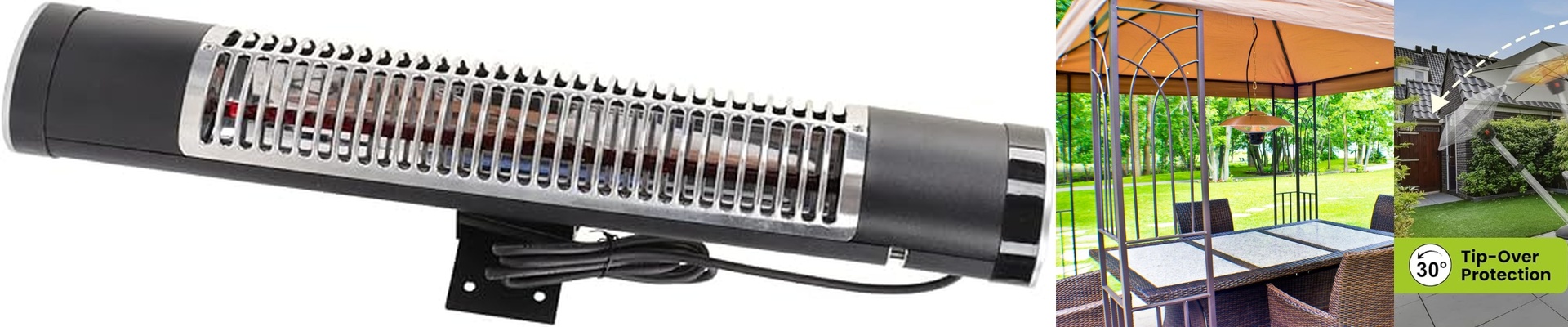
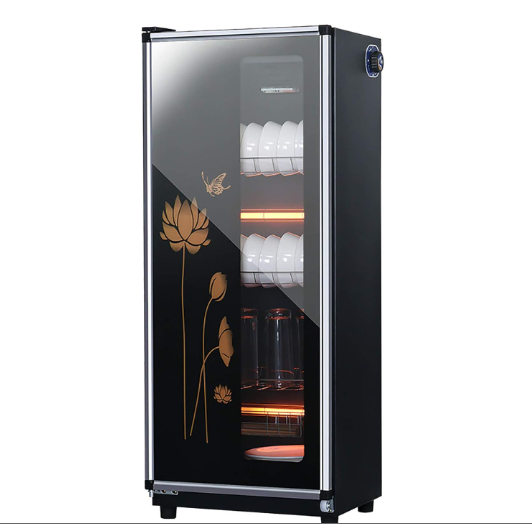
If you’ve ever used a standard heating element, you know the drill. You flip the switch and then… you wait. And wait. In a sterilization cabinet, waiting for the air to warm up is a waste of time. You need high heat, and you need it right now. That’s why we stopped messing around with resistive heating and switched to stainless steel infrared (IR) tubes. Instead of heating the air and hoping for the best, these tubes blast shortwave radiation. It’s nearly instant. How it actually works Inside each tube, there’s a high-density quartz element wrapped in stainless steel. We push a lot of wattage into a small space to make sure the heat is concentrated. Here is the best part: you aren’t just warming up the room. The IR waves dive straight into the objects you’re sterilizing. It feels less like an oven and more like stepping into direct sunlight. The target gets hot immediately. The nitty-gritty on design Quartz is great for heat, but it’s fragile. One bump or a splash of harsh chemical cleaner and it’s toast. That’s why we wrap it in stainless steel. It protects the core and bounces the heat back where it belongs—inside the sterilization zone. But a word of warning on the electrical side. These tubes are thirsty. When they first kick on, there’s a massive spike in current. If your power supply isn’t built for that peak, you’re going to trip breakers or fry your contactors. Use heavy-gauge wiring and connectors that can take the heat, or you’ll be looking at melted terminals. The trade-off Speed comes with a catch. Because these tubes get so hot so fast, they can be aggressive. If your cabinet walls aren’t insulated well, or if a tube is sitting too close to a plastic bracket, things will warp. You have to find that sweet spot—enough wattage to kill the bacteria, but not so much that you melt your own housing. It’s all about balancing the heat with the size of your box.