Stop Waiting on Your Oven to Warm Up
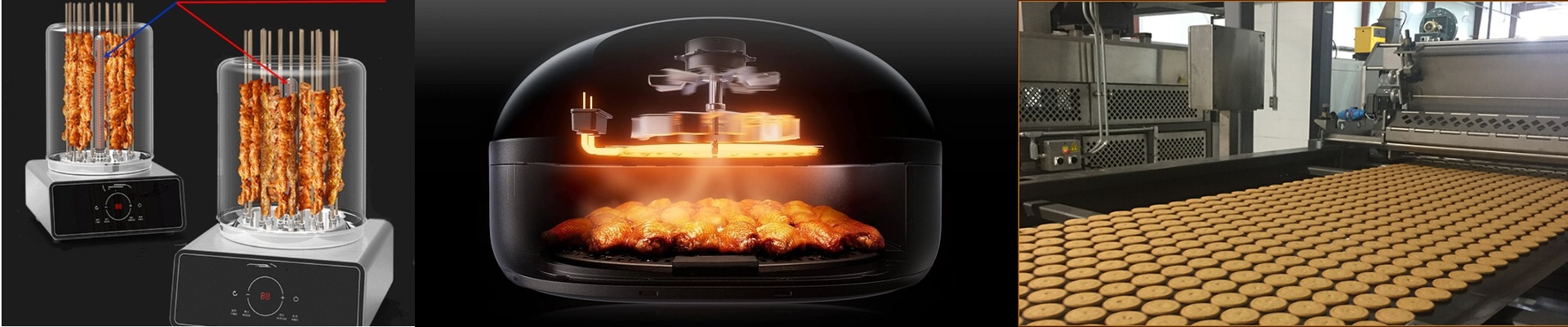
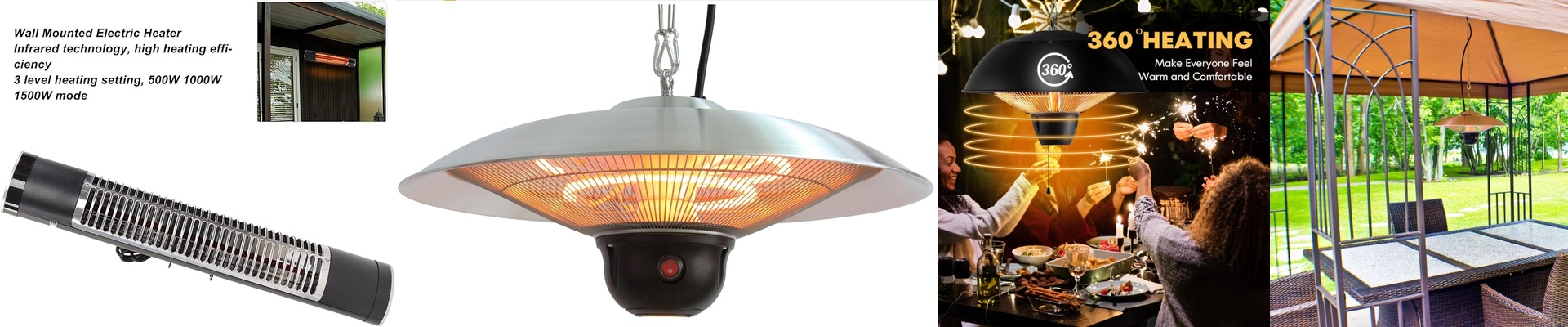
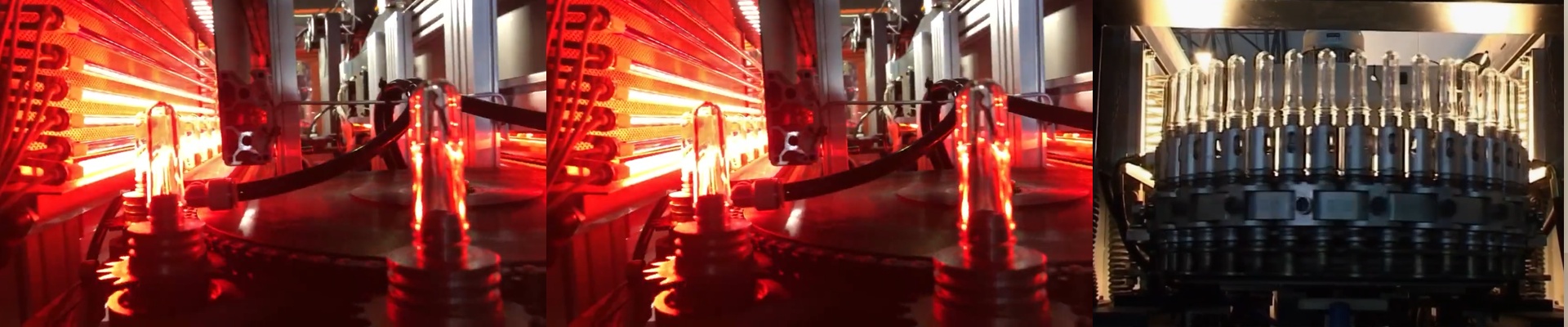
Nothing kills a production schedule like a slow preheat. You’re just standing there, watching the clock, waiting for the oven to finally hit the right temperature so you can actually start working. It’s a massive waste of time. The trick to fixing this is adding infrared (IR) auxiliary heating coils to your setup. These aren’t your typical heating elements. Instead of just warming up the air, these short-wave emitters blast heat directly into the part you’re working on. Why this actually works Think about how a normal oven works. It heats the air, and then the air heats your part. It’s a slow, roundabout process. IR is different. It uses electromagnetic radiation to soak right into the material. You basically skip the “waiting for the air to get hot” phase entirely. The best part? You can usually double your heating speed without having to tear apart your entire oven chassis and start over. Picking the right coil When you’re shopping for a replacement, keep an eye on the wattage-to-length ratio. That’s what tells you how “intense” the heat zone will be. A high-wattage tube in a short space is going to be incredibly hot. Just make sure the voltage matches your control board, or you’ll be replacing a blown fuse before you even get started. Most of these use quartz glass to protect the tungsten filament inside. But if your shop is full of oil mist or corrosive fumes, go with a coated tube. It protects the glass from getting gunked up. You might lose a tiny bit of raw heat, but it’ll last way longer. Getting it installed (and what to watch out for) Most of our coils use R7s or Sk15 connectors, so they just slide right in. Pair them with a PID controller if you want a precise temperature. But a quick heads-up: high-density IR heat can be aggressive. If you crank the power too high without enough airflow or space, you might accidentally scorch your material or warp the oven liner. Also, remember that these lamps put off a lot of heat. Make sure your cooling system can handle the extra load around the housing so nothing overheats.