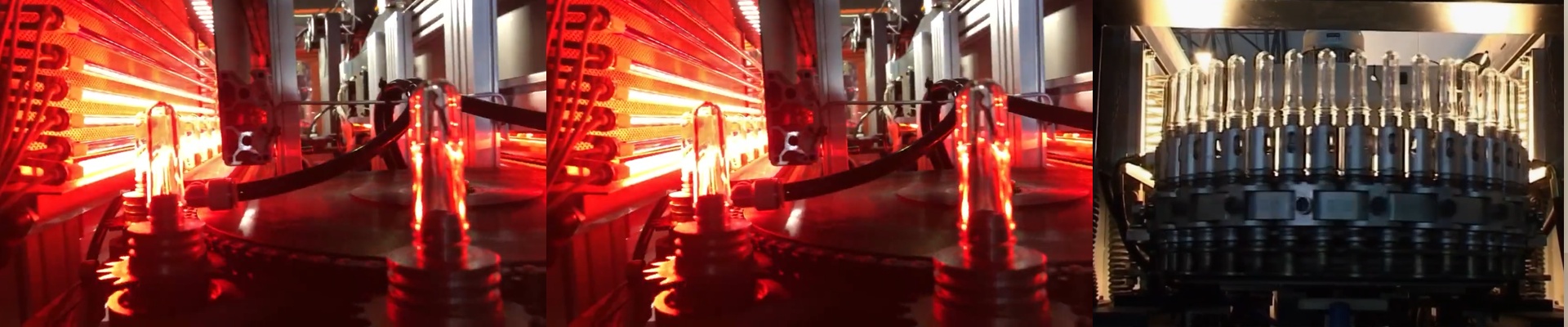

Stop fighting your oven—start targeting the heat
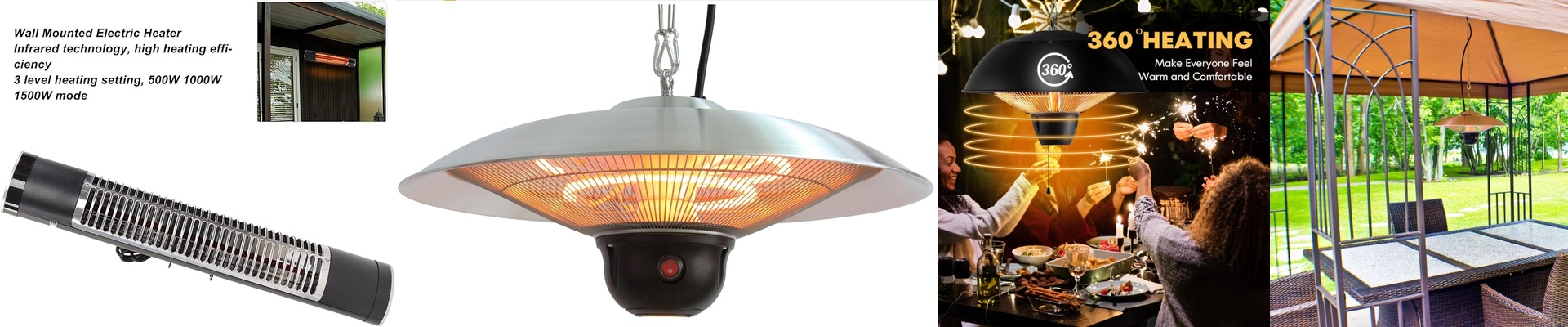
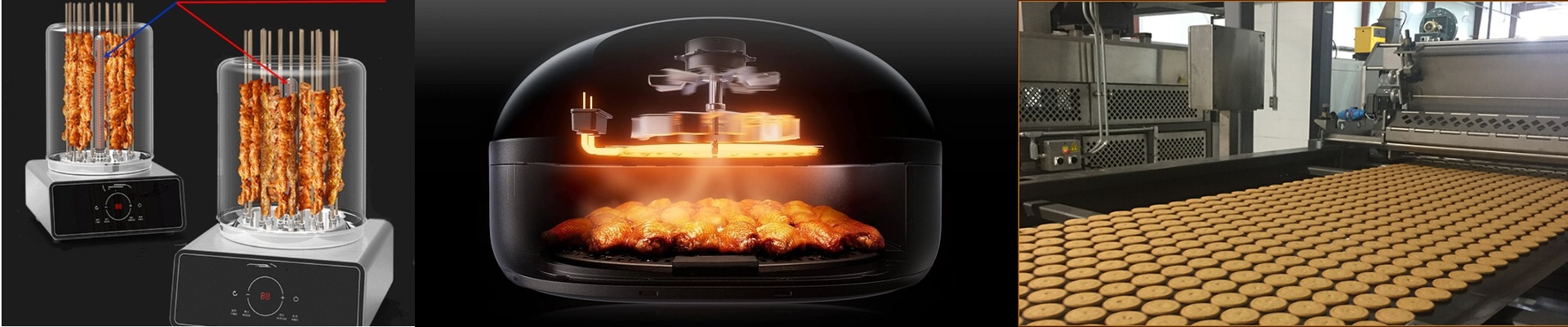
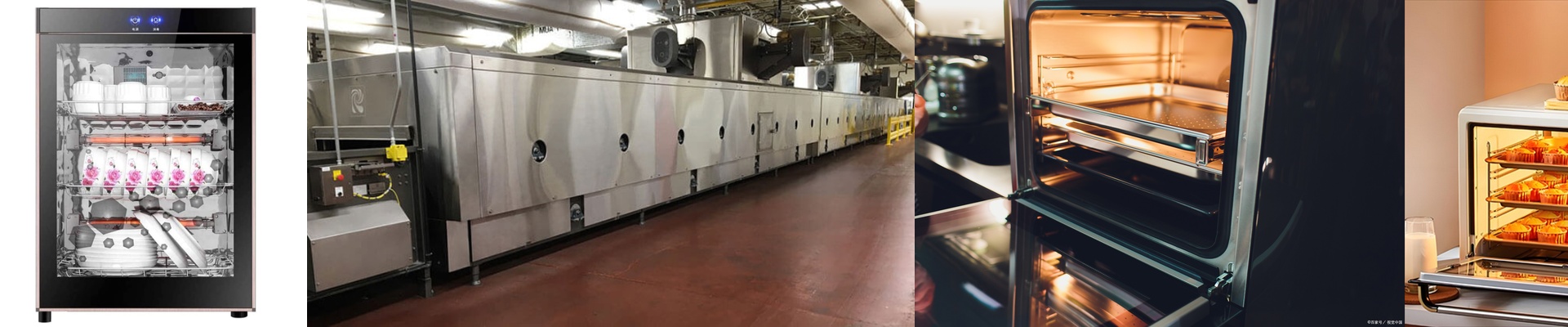
Ever feel like your production line is just… stuck? You’re trying to speed things up, but the oven is the bottleneck. It’s frustrating. Most people think the answer is to buy a bigger oven, but that’s usually a waste of money and floor space. The real problem isn’t a lack of heat; it’s where the heat is going. That’s why we do things differently. Instead of a general blast of hot air, we use custom infrared (IR) modules to punch high-density heat exactly where your process is lagging.
Getting the speed you actually need
If you want to move faster, you need the heat to soak in faster. The problem with off-the-shelf lamps is that they’re “one size fits all.” They come in fixed lengths and wattages, which leaves annoying gaps in your heating zone. We don’t do that. We look at your specific footprint and build a module to fit it. For example, we can push higher wattage into a shorter quartz tube. It increases the heat flux. Suddenly, you’re hitting your target temperatures in seconds.**Seconds.**Not minutes. That changes the whole rhythm of your day.
Why “generic” usually fails
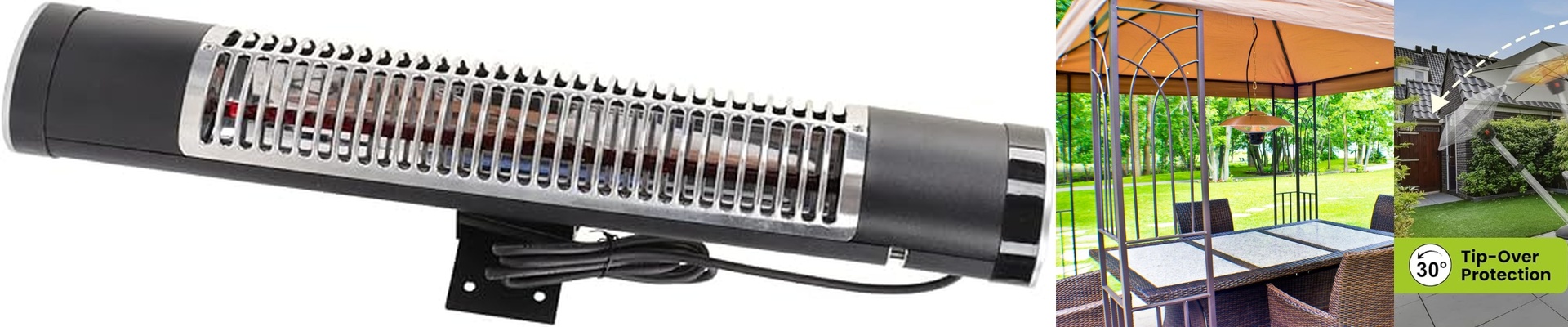
We’ve all seen it: generic lamps that leave “cold spots” on the product. It’s a nightmare for quality control. We fix this by tweaking the IR wavelength and the shape of the reflector. Some jobs need shortwave heat for a quick surface flash-off. Others need medium-wave to get deeper into the material. We match the module to how your material actually absorbs heat. And we keep the hardware simple. We use industrial connectors like R7s or Sk15. Why? Because when a lamp needs replacing, you want to swap it out and get back to work, not spend three hours rewiring a whole rack. Plus, if you’re running high voltage to keep the current draw low, we make sure the wiring can actually handle the load so you aren’t dealing with burnt-out terminals.
The reality check
Here’s the thing: you can’t just crank up the power and walk away. High-density IR modules put out a massive amount of heat, and that heat has to go somewhere. If you cram more power into a small space, the area around the lamp housing gets hot—really hot. If your cooling fans or water jackets aren’t up to the task, you’ll fry your lamps way sooner than you should. We spend time balancing the power output against what your machine can actually handle. It’s about finding that sweet spot where you get maximum speed without killing your equipment.