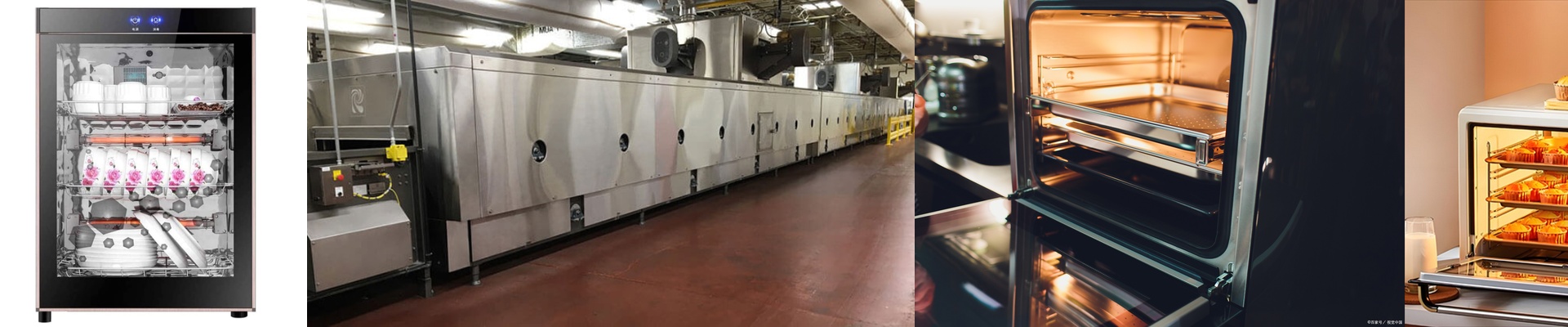
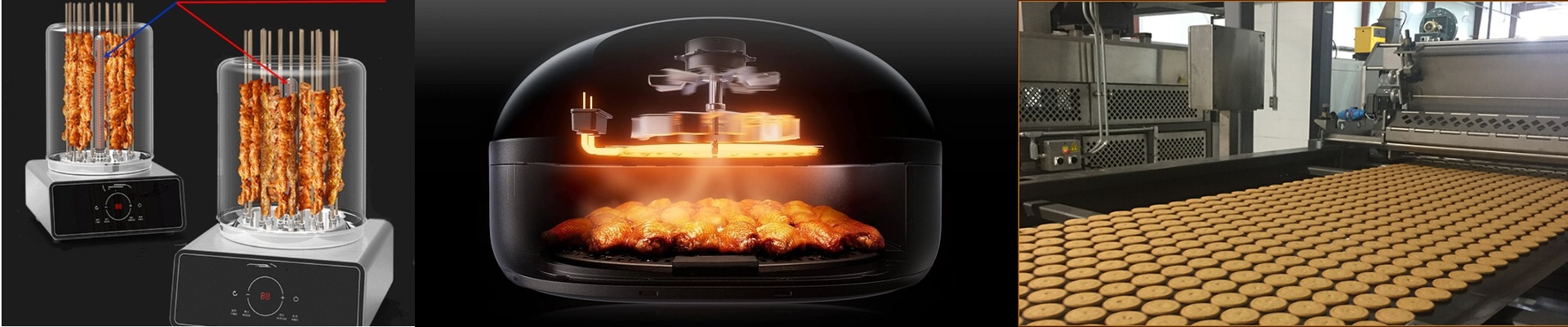
When the deck oven is running hard, uneven heat shows up fast—tops that stay pale, heels that burn, and a tray that looks like it was baked in two different worlds. The circular heating tube in bread ovens was built to cut through that variability. Whether you’re in the middle of a pizza rush, turning out steady hearth loaves, or holding finished food at safe holding temperatures, this element is meant to keep the bake consistent. What matters, technically This circular heating tube is a direct-fit heat source for commercial ovens, with a compact profile that follows the baking chamber contour. It comes up to temperature quickly and holds steady output, so the oven recovers fast after door openings and full loads. The geometry spreads heat more evenly across the cavity, cutting down the hot spots that scorch pizza or dry out buns. In real life, that translates to more predictable bake profiles and fewer one-off trays that get tossed. Why it holds up in real service On the pizza line, fast recovery keeps the stone temperature stable, so the crust sets clean and the cheese melts evenly. When you’re baking bread, consistent radiant heat supports proper crust development and controlled caramelization. And for food warming and holding, the tube holds set temperatures reliably—helping you keep product quality while hitting safety targets. The payoff is fewer under- or over-baked items, better turn during peak hours, and less wasted energy from repeated recovery cycles. What you need to watch for Installation is straightforward, but the element has to match your oven’s voltage, mounting bracket, and terminal layout. A mismatch will give you uneven performance and shorten service life. Expect tight clearances around the tube—keep the surrounding area clean and unobstructed so airflow stays right. Running the oven with a damaged or misaligned tube can create hot spots, so a quick visual check during routine maintenance is worth the minute it takes.