Stop Overcooking the Outside of Your Roasts
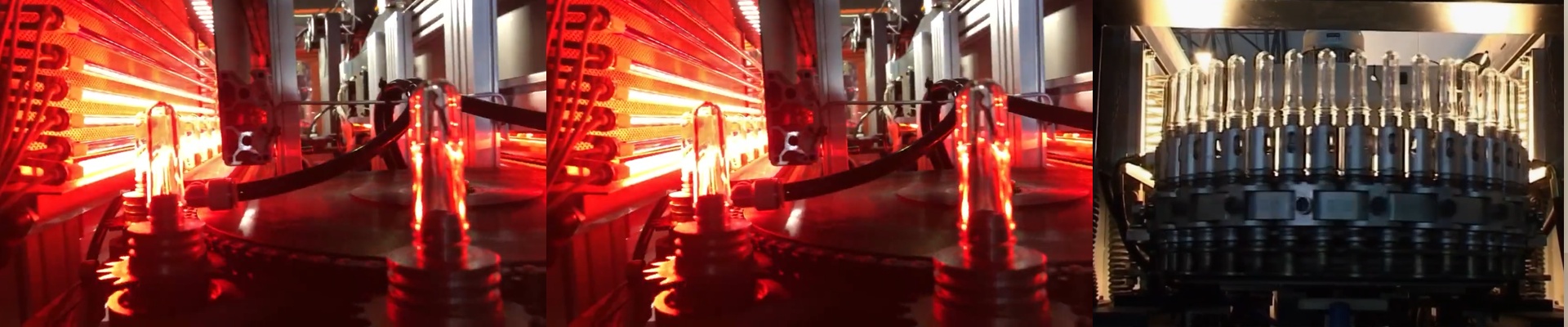
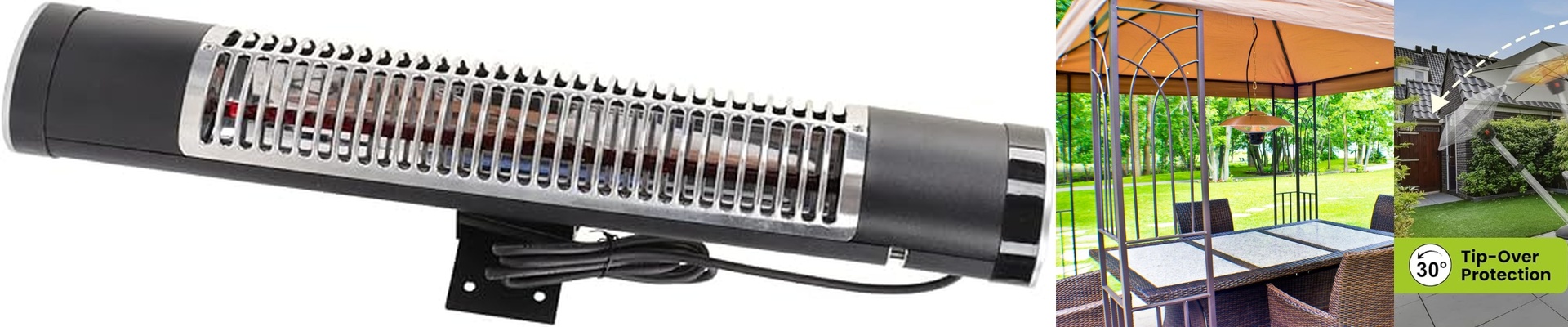
Ever tried cooking a thick cut of meat in a steam oven and ended up with a gray, overcooked outer layer while the center was still practically raw? It’s frustrating. You’re fighting a losing battle with heat. The fix is actually pretty simple: we add high-penetration infrared (IR) bulbs to the mix. Here is the trick. Steam is great for keeping the meat juicy so it doesn’t dry out, but it’s not great at getting heat deep into the center quickly. That’s where the IR comes in. It does the heavy lifting, pushing heat straight into the protein fibers. Instead of waiting for the heat to slowly crawl from the outside in, you’re driving it right to the core. You get a perfect roast without torching the crust. But you can’t just throw some bulbs in and hope for the best. You need a tight feedback loop. We use fast-response thermocouples and PID controllers to keep things under control. If your controller is slow, you’ll overshoot your temp and end up with dry meat. That’s why we use a pulsed-width modulation (PWM) approach. It basically lets you hover at a precise holding temperature, keeping the food warm without continuing to cook it. Now, if you’re planning to build this or retrofit an oven, there are a few things that can go sideways. First, these bulbs gethot. Really hot. Your oven housing needs to be built for that kind of thermal load. And be careful with your reflectors. If they’re off by even a few degrees, you’ll get hot spots that sear the meat unevenly. Also, please—for the love of everything—don’t use standard PVC wiring. It’ll melt. Use high-temp lead wires. And one last thing: check your power supply. Those bulbs pull a lot of juice when they first fire up. Give them some breathing room, too. If they’re cramped, they’ll overheat and burn out way faster than they should.