
Cutting Your Bakery Oven Costs Without Cutting Corners
If you’re growing a bakery chain, you’ve probably hit that wall where the cost of industrial ovens starts to feel ridiculous. It’s a lot of money to drop on equipment, and usually, you’re paying for massive machines just to keep up with your volume. We’ve found a better way to handle this using short wave infrared (SWIR) lamps. Basically, we use these to shrink the equipment costs without slowing down your production. Instead of relying on old-school convection or long-wave heat, we use focused SWIR arrays. The result? Your ovens don’t need to be giant, which means you spend way less on the initial hardware.
How the heat actually works
Here is the thing about short wave IR: it doesn’t waste time heating up the air around the bread. It goes straight into the product. This means your crust sets faster and the middle heats up quickly through conduction. Since the heat transfer is so direct, you don’t need those huge, heavily insulated chambers just to keep the air hot. We use high-power density lamps, which lets us build smaller ovens with simpler, cheaper materials.
The nitty-gritty on the gear
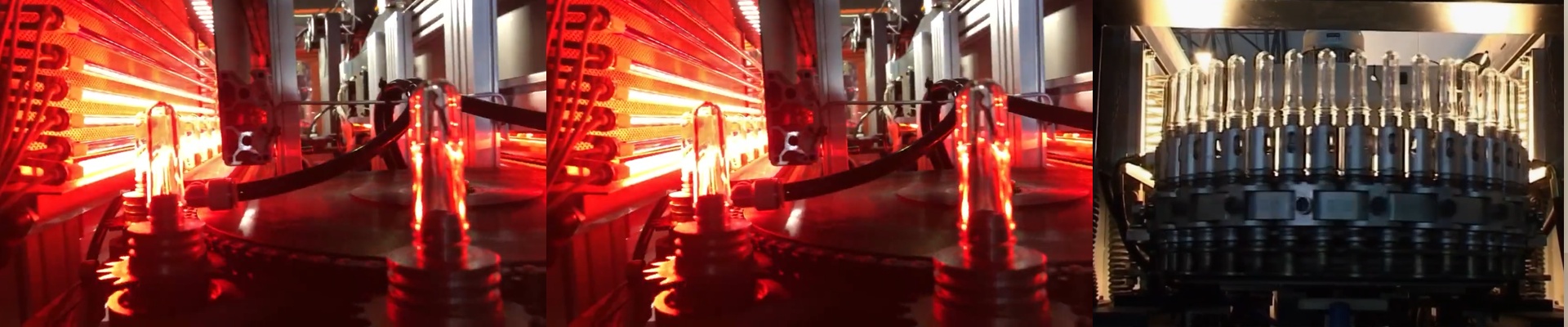
We usually go with quartz halogen tubes. Why? Because they can handle the “thermal shock.” You can flip them on and off rapidly and they won’t crack. To keep things affordable, we stick with standard R7s or SK15 connectors. These are just basic, drop-in replacements. You won’t get locked into some proprietary wiring nightmare, which makes it a breeze to find and swap lamps across all your different locations. But a quick heads-up: watch your power grid. A high-wattage array gives you heat instantly, but it pulls a lot of current. If you go for a high-density setup, just make sure your breakers and control panels can handle the peak load. You don’t want your power tripping right during the morning rush.
The bottom line
Using these lamps lets you build ovens that are leaner and faster. You get that same high-quality bake you’d expect from a massive, overpriced convection tunnel, but your hardware bill is much smaller. It’s a simple way to save money on equipment while keeping your line moving.