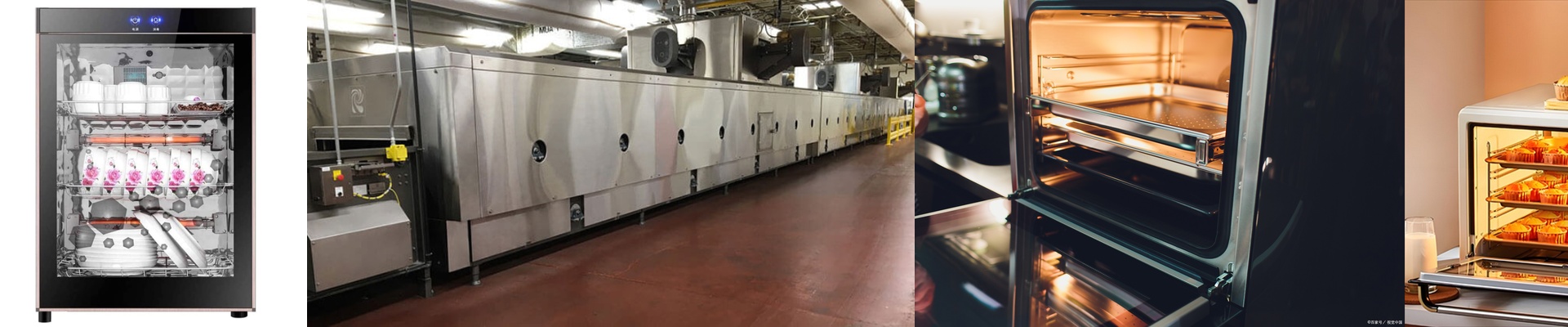
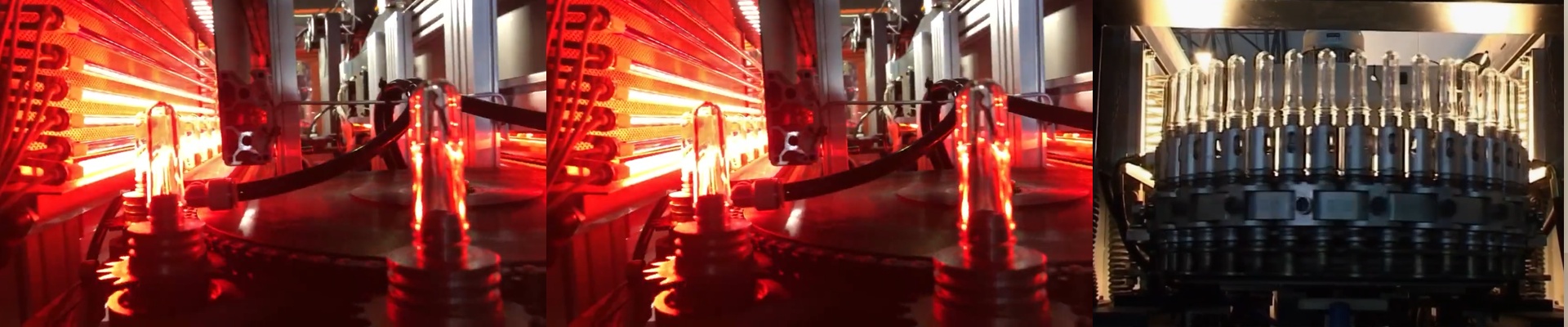
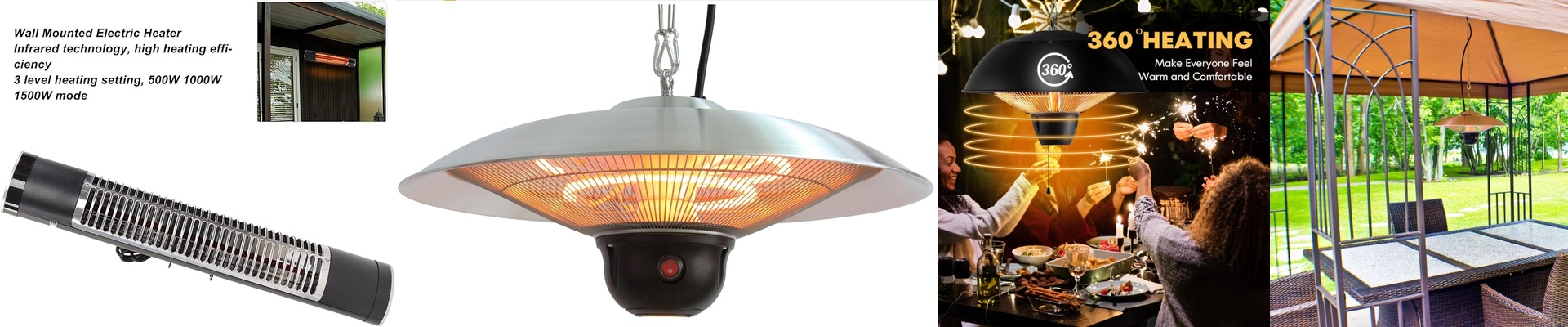
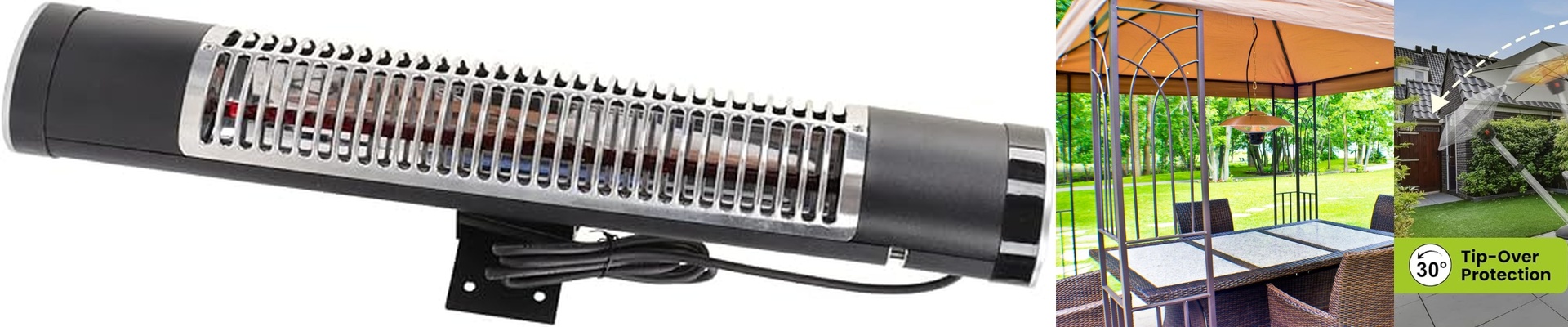
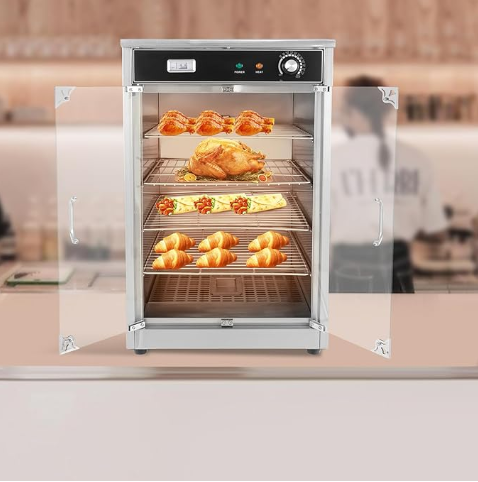
Out on the pass, the line is moving and nobody has time for a cold plate killing the crust on a slice or dulling the sheen on a roast. A radiant heater over the serving counter puts auxiliary heat right where plating happens, so food leaves the counter holding at temperature without drying out. What matters under the hood We build these with quartz infrared elements—quick response and tight control. In practice, the hot zone stabilizes within 90 seconds, and the surface holds ±3°C across the serving width. That gives you even heat, so the top of a slice stays hot while the bottom stays crisp, instead of a harsh hot spot scorching sauce and melting cheese into a mess. You can spec 120V or 240V, with standard NEMA plugs or hardwire terminals, and footprints sized to fit tight counter runs without crowding plating space. Why it earns its spot on the pass This is auxiliary heat, not a replacement for your deck, rotary, or convection oven. It keeps holding pans, sheet pans, and plated items in the window without the temperature swings you get from open hot boxes. That means fewer send-backs, faster ticket times, and less waste from food that cools and looks off before it even leaves the counter. Energy use stays sensible, too—you’re heating the serving zone, not the whole kitchen. Here’s the thing with radiant heat: it’s directional, so clearance matters. Mount the heater 12–18 inches above the counter to cover the area you need without blasting staff or guests below. Keep it away from open flames and high-steam equipment, and clean the quartz elements regularly so output and temperature repeatability stay consistent. If the counter is narrow, plan the mount so the beam hits plating plates—not just empty stainless.