Getting that perfect crust with Shortwave IR
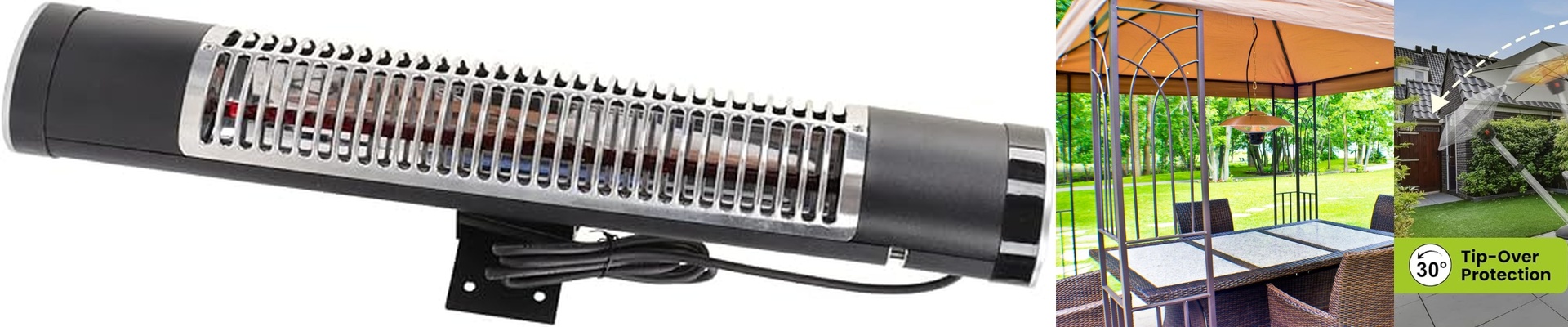
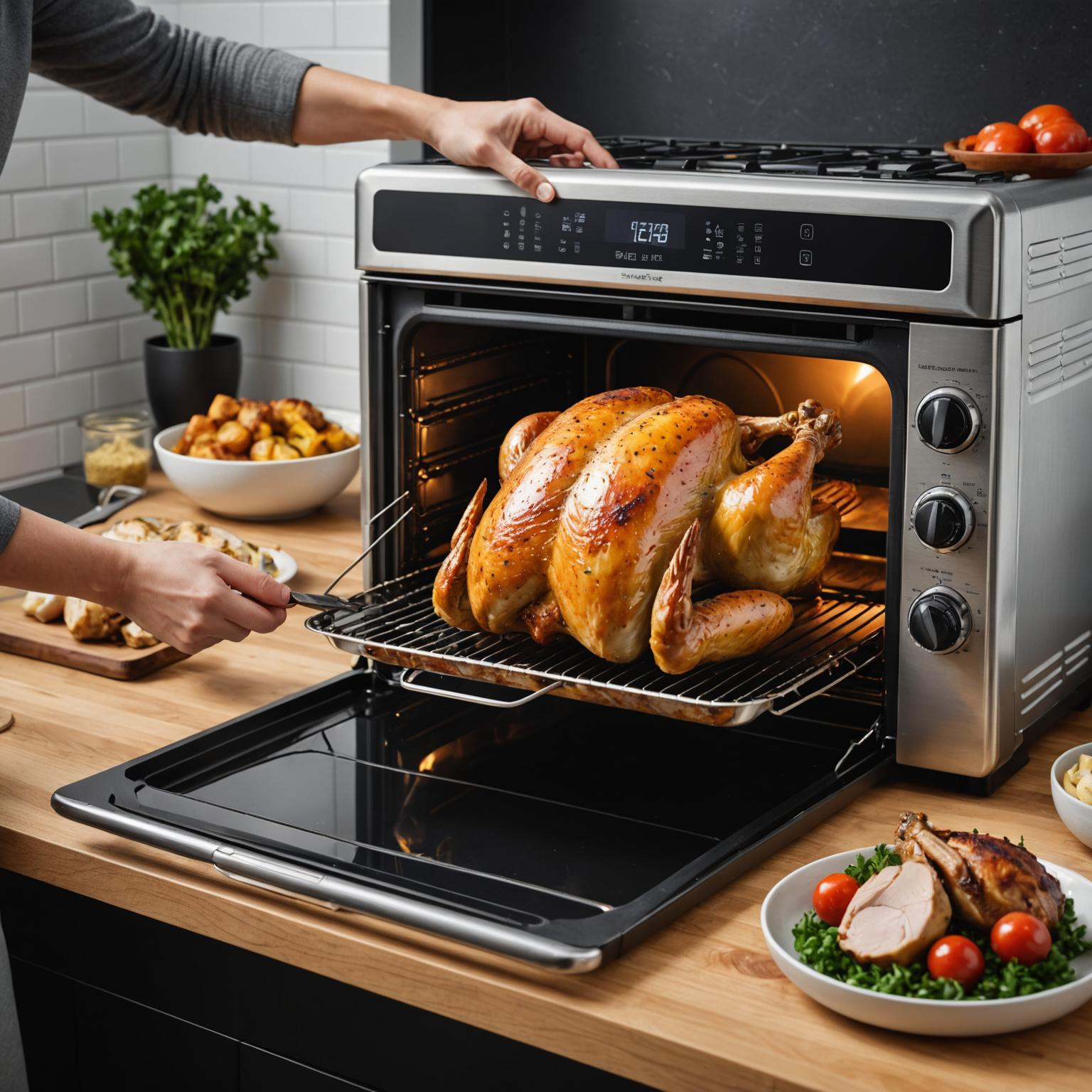
If you’ve ever struggled to get that deep, golden-brown crust on your bread without turning the inside into a crouton, you know the struggle. Ambient heat just doesn’t cut it. You need a concentrated burst of energy that hits the surface hard and fast, leaving the center moist and airy. That’s where our shortwave infrared (IR) elements come in. Think of it as a “flash” for your oven.
Why this beats standard heating
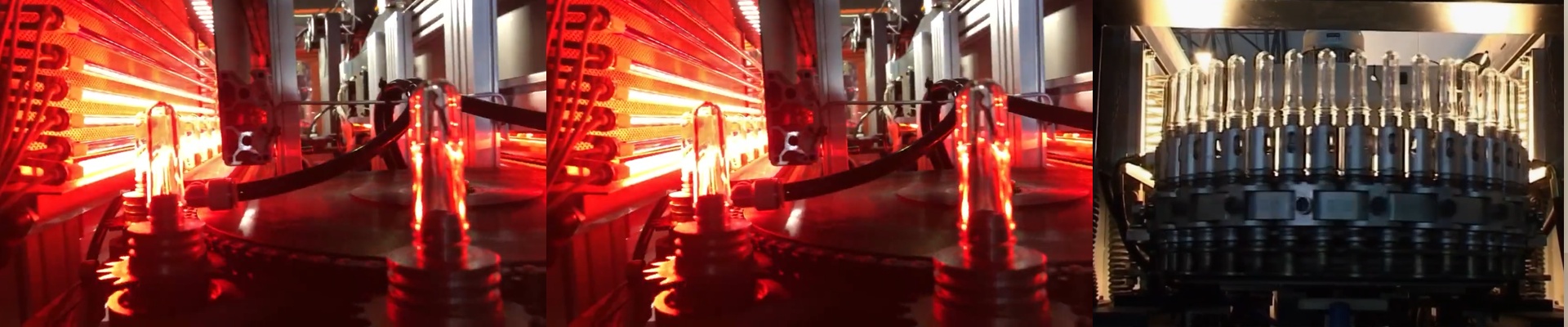
Most ovens rely on convection, but let’s be honest—that’s too slow for a professional kitchen. Shortwave IR works differently. Instead of waiting for the air to heat up, these lamps send radiation straight into the dough. It happens almost instantly. The second you flip the switch, the energy is moving. This gives you total control over the Maillard reaction (that’s the science-speak for the browning process), so you can nail the color every single time.
The nitty-gritty on the gear
We use quartz glass for the envelopes because these things get incredibly hot, and standard glass would just give up. Inside, there’s a halogen-cycled tungsten filament. This is important because it keeps the glass clear; without it, the lamps would darken over time and lose their punch. Now, depending on your oven size, we’ve got different wattage and voltage options. If you’re doing heavy, thick-crust sourdough, you’ll want a high-wattage tube for that extra heat density. Just a heads-up: make sure your wiring and controllers can handle the power draw. To make your life easier, we use standard R7s or SK15 connectors. They’re basically drop-in replacements, so you won’t need to spend your afternoon fabricating custom brackets.
A word of caution
Here’s the thing: shortwave IR is aggressive. If the lamp is sitting too low or your timer is off by just a few seconds, you’re going to burn the tops of your loaves. It’s a balancing act between how far away the lamp is and how much power you’re pumping into it. To keep things from going south, I really recommend using a PID controller. It stops the temperature from overshooting the mark, which means you won’t accidentally ruin a whole batch of bread because the heat spiked for a moment.