Keeping Your Bakery Ovens from Losing Their Cool
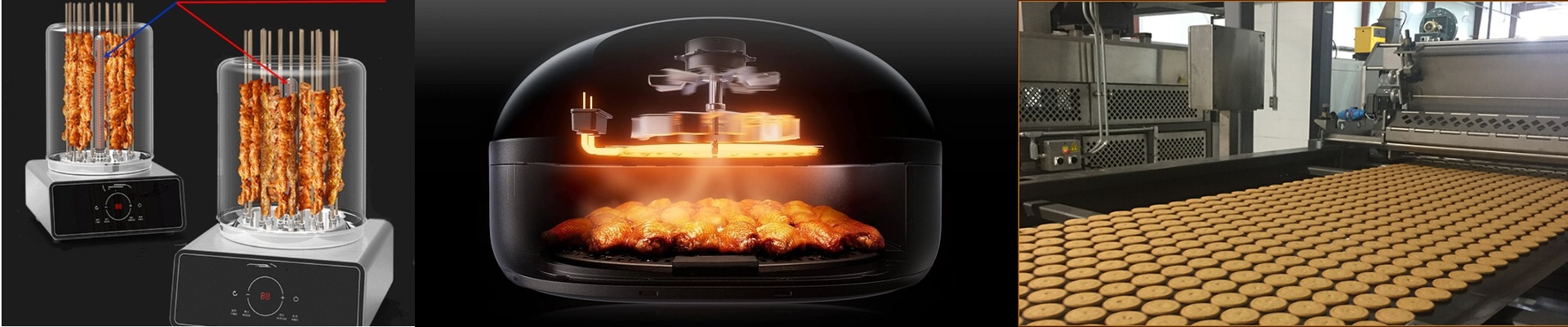
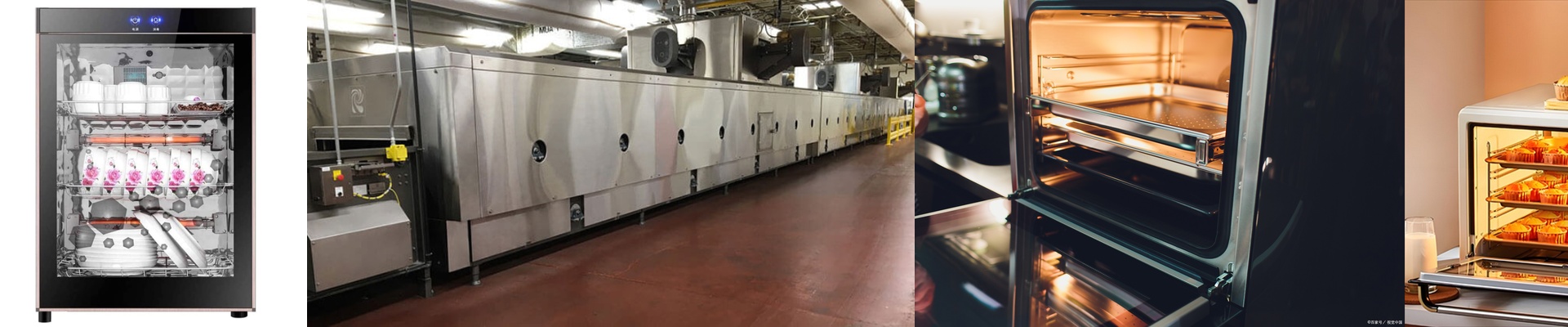
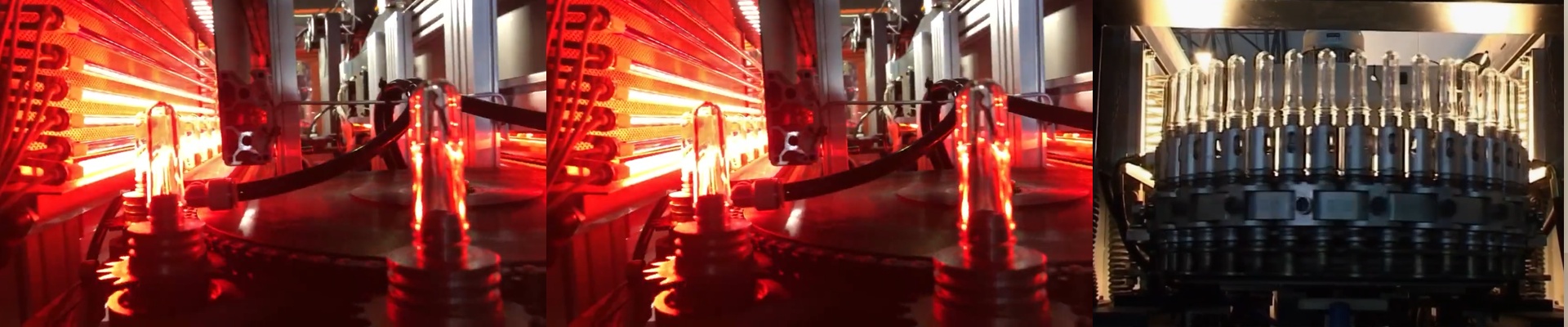
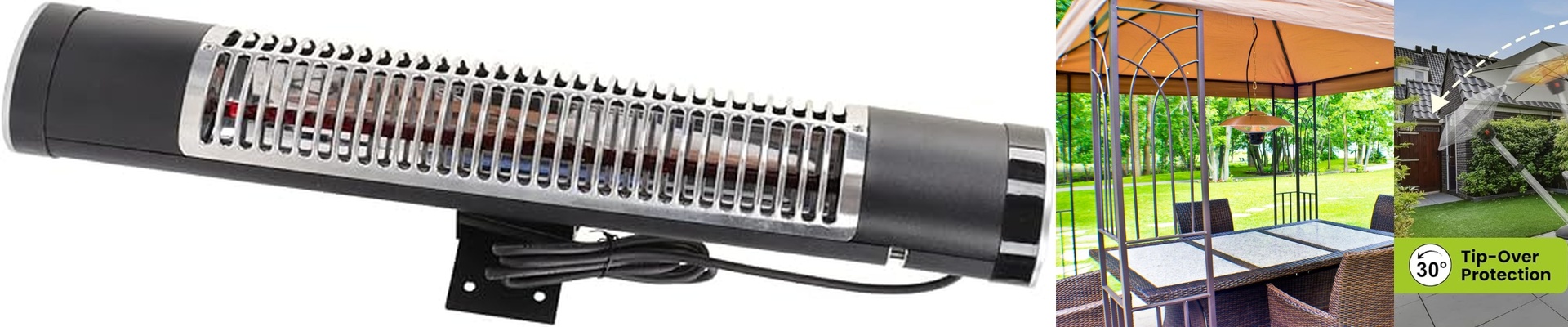
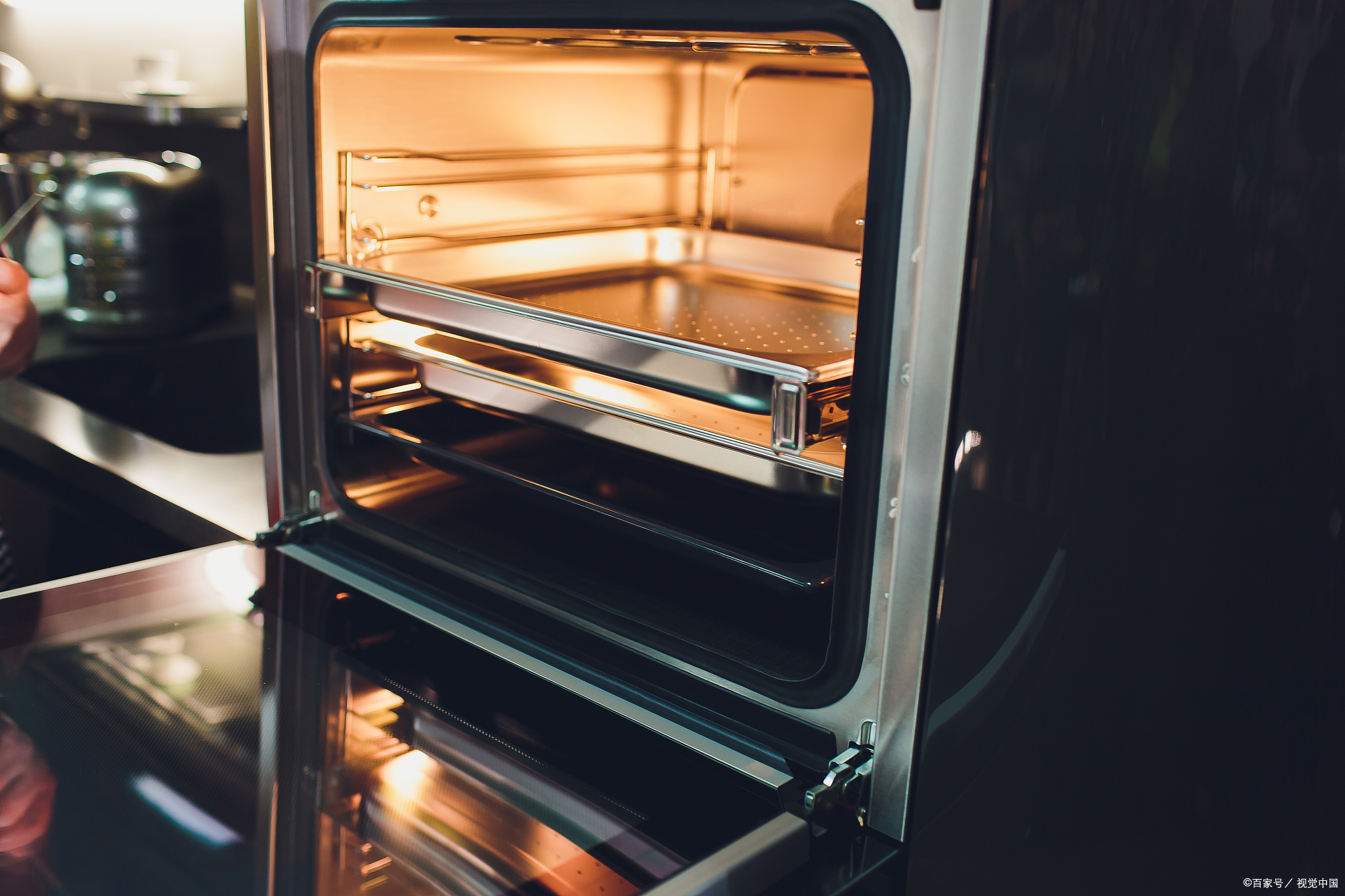
If you’ve ever run a professional kitchen, you know the struggle. You open the loading door or slide in a massive rack of trays, and boom—your internal temperature tanks. It happens in a heartbeat. That’s why we rely on high-power quartz tubes. They aren’t like your average heating elements. They use infrared energy to snap the oven back to the right temperature before your product even notices the dip. Why infrared actually works Most heating elements are just too bulky. They take forever to warm up and even longer to cool down. They’re slow. Quartz tubes are different. They hit the food surface almost instantly. The second the sensors pick up a temperature drop, the system kicks the power into high gear, and the heat is right there. No more worrying about those annoying “cold spots” that ruin a batch of pastries. The grit behind the heat We use high-wattage tubes because when you’re producing at scale, you need raw power. But you also need gear that won’t shatter. These quartz lamps are built for thermal shock, meaning you can flip them from off to full blast over and over without the glass cracking. One quick tip: don’t just plug these into a basic on/off switch. You’ll end up overshooting your target temperature and burning your crusts. Instead, pair them with a PID controller and an SCR. It lets you dial in the power smoothly, so the heat feels like a steady flow rather than a series of jolts. The reality check Now, all that power comes with a catch. These tubes get incredibly hot—and I mean intense. You’ve got to make sure your oven’s frame and wiring can handle the extra heat. If your fans aren’t moving enough air, you’re going to fry your socket connectors. It’s a simple fix, though. Just make it a habit to check your contact points every 500 hours. A little bit of oxidation can sneak up on you, and a quick check saves you from a total meltdown mid-shift.