Why Your Bathroom Heater Is Actually a Mold-Fighter
Most people think of those bathroom heat lamps as just a way to stop the shivers when you step out of the shower. But if you look under the hood, they’re doing a lot more than just keeping you warm. Here is the real secret: they’re actually great for managing moisture.
It’s all about the surfaces
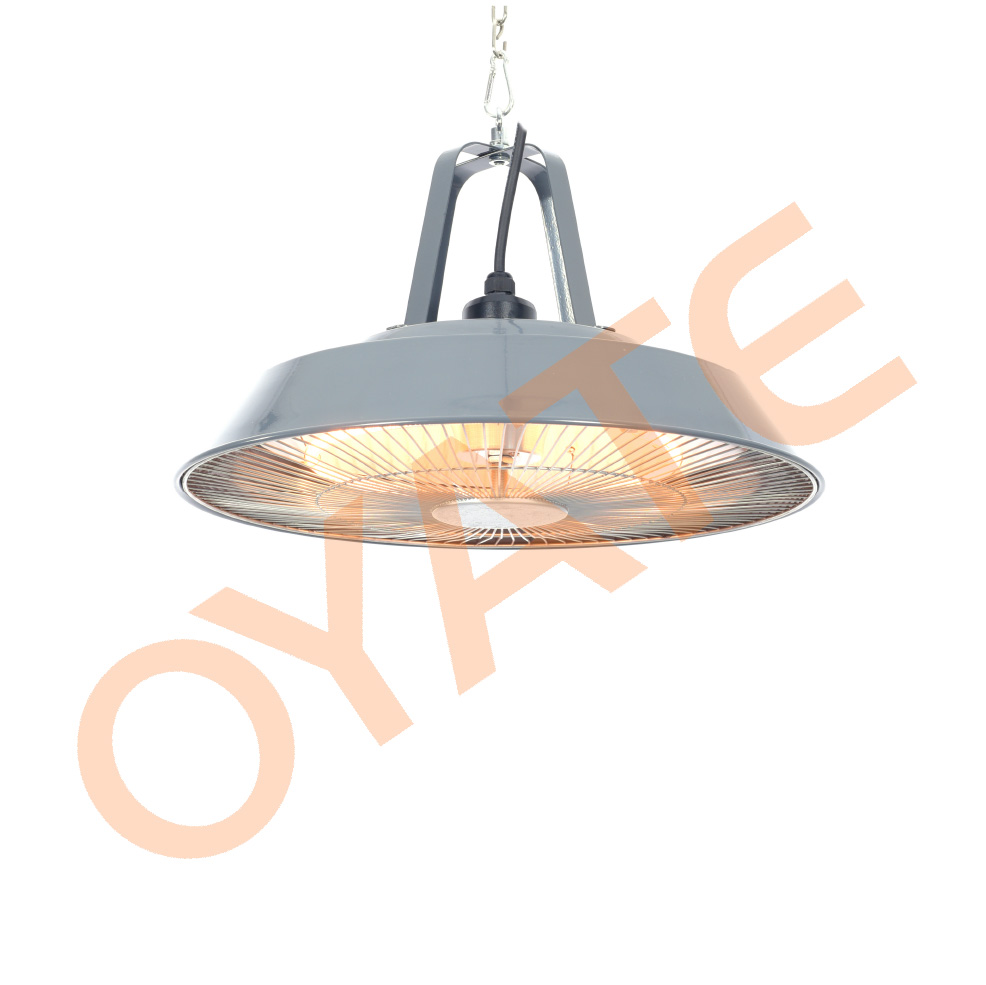
Most heaters try to warm up the air. The problem? Air is slippery. The heat just floats to the ceiling and vanishes. These infrared lamps work differently. They shoot warmth directly at your walls, floors, and ceilings. By keeping those surfaces warm, the water in the air has nowhere to land. It can’t condense into those annoying little droplets. And since mold needs a damp place to hang onto, you’re basically taking away its favorite home.
The “Water and Electricity” Problem
We all know water and Electricity are a bad mix. That’s why we use an IP44 rating. In plain English? It means the unit is sealed tight. It keeps out dust and can handle splashes from any angle. You can put these in the steamiest parts of your bathroom without stressing about a short circuit or the internals frying after a few months.
Drying out the grout
Mold loves three things: darkness, dampness, and air that doesn’t move. By using a specific kind of infrared heat, these lamps speed up evaporation. It’s like having a quiet, invisible dehumidifier. It pushes the moisture out of your grout and sealant—the places where mold usually hides and starts to grow.
A quick word of caution
There is one thing to keep in mind. These lamps pack a punch. If you put a high-wattage unit in a tiny bathroom with no window or fan, you might accidentally turn your bathroom into a sauna. It gets hot. Fast. Just make sure the power of the lamp matches the size of your room so you don’t overheat the place. It’s a simple fix. You get a cozy room and a dry, healthy bathroom, all from one switch.