The Speed Behind the Spec
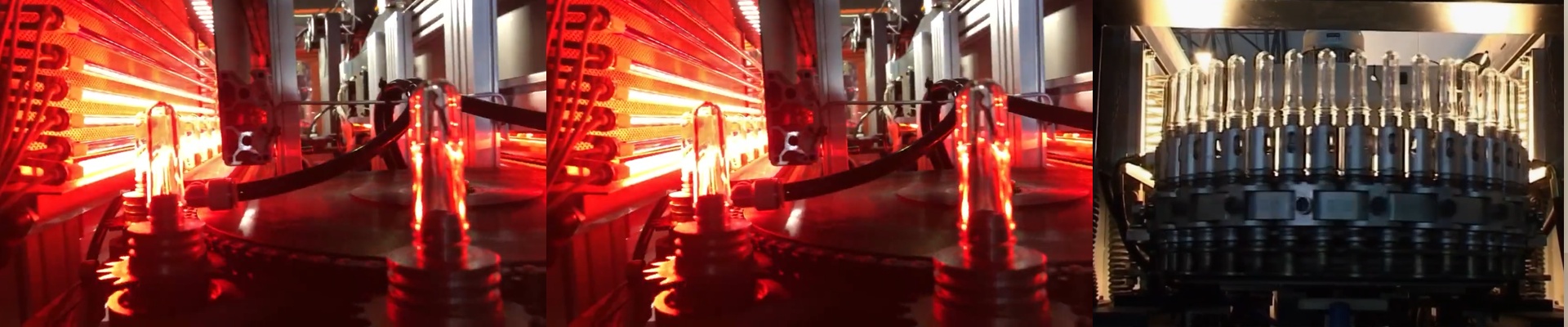
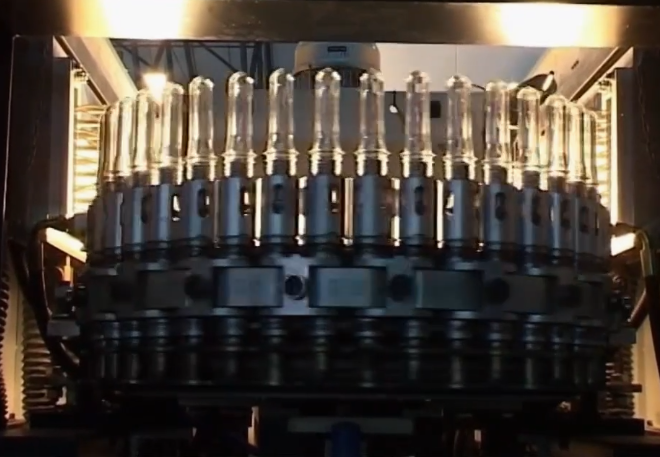
We built the SIPA SFR 8 rotary blower heater bulb for one reason: to keep up with SACMI rotary blow molding lines. On a fast PET line, the heater can’t dawdle. It has to hit the set temperature instantly. Because any hesitation at start-up? That’s scrap on the floor. So the numbers matter. It runs at 400V and 2500W, giving you the heat density needed to blast PET preforms up to temperature fast. The 300mm length isn’t random. It’s just long enough to cover the heating zone—without forcing you to rework the machine’s mounting. It’s a direct, drop-in fit for SACMI rotary blowers. No re-routing. No redesign. Here’s the trade-off: packing that much power into a compact quartz envelope means you need a rock-solid electrical feed and smart thermal management. Make sure your blower’s airflow and cooling are up to the task. Otherwise, you risk overheating the socket area.
Tough by Design, Fast by Physics
We went with a shortwave halogen design because it simply responds quickly. The filament hits operating temperature in seconds, which cuts out the start-up lag that leads to uneven bottle wall thickness. And the quartz envelope? It handles the shock of repeated cold starts and the constant vibration a rotary blower throws at everything. The R7s connector is your anchor. It locks the lamp in place and keeps the electrical contact steady, even when things are shaking. If the connection gets loose or starts arcing, the lamp will flicker—and your heating becomes unstable. The coating is built to manage infrared output and keep the quartz protected from the contaminants floating around in a blower environment.
What It Actually Does for You on the Floor
On a SACMI rotary blower, the SFR 8 bulb’s job is simple: sync with the indexing cycle. Fast ignition means the preform is heated to the right temperature right when the mold closes. That keeps cycle time tight and cuts down rejects caused by uneven heating. Installation is straightforward. It’s SACMI-compatible, and the R7s interface makes swapping it out a quick job. In the field, you get predictable heat-up, stable output, and consistent performance from lamp to lamp. Just plan for adequate cooling and clean airflow around the lamp. That’s the price of running a high-power heater in a compact rotary blower footprint—and it’s worth it when the line keeps moving.