Stop Letting Your Warming Station Slow You Down
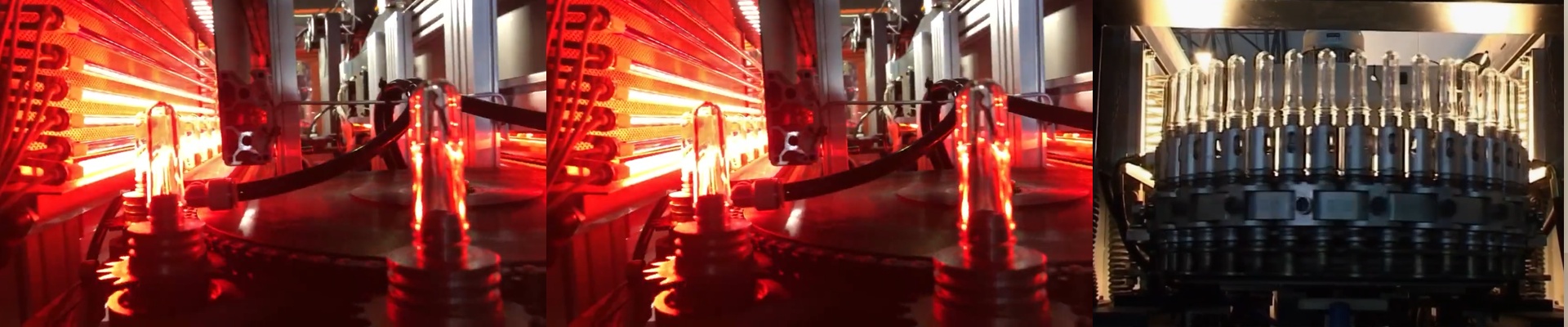
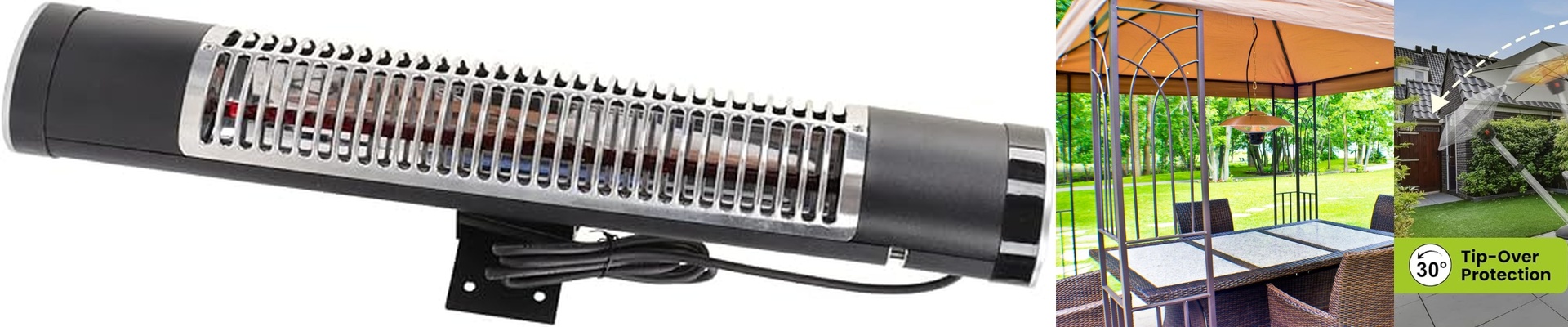
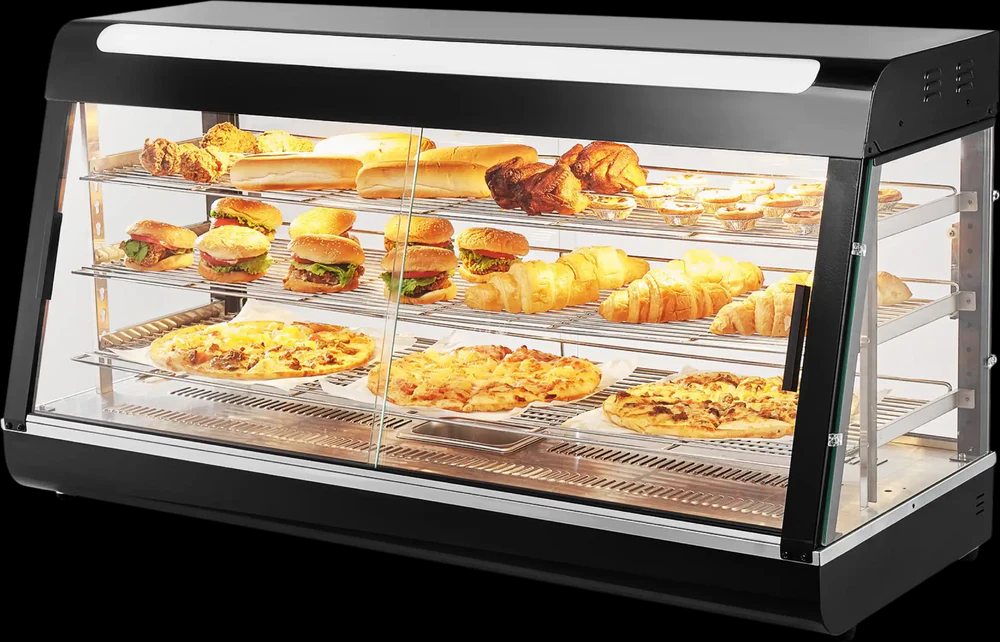
Ever notice how some bakery counters just seem to crawl? You’ve got a line of customers, but your warming station is taking forever to get up to temp, or worse, some pastries are piping hot while others are barely lukewarm. It’s frustrating. When your equipment lags, your whole workflow hits a wall. That’s why we use shortwave infrared (IR) heaters as a little extra boost. Here is the secret: IR doesn’t waste time heating up the air around the food. It just shoots energy straight into the surface of the pastry. It’s direct. It’s fast. And it actually works.
Getting the Heat Right
If you want to cut down your cycle times, you need a lot of heat packed into a small space. We figure out the exact wattage based on how big your counter is. Generally, the more power you have per inch of lamp, the faster things heat up. But a quick word of warning if you’re replacing a burnt-out bulb:Check your voltage. If you put a 230V lamp into a 110V socket, you’ll barely feel any heat. Go the other way, and you’ll pop the filament the second you flip the switch. Not a great way to start a shift.
No Need to Rewire Everything
We use high-purity quartz glass for these lamps. Why? Because standard glass tends to crack when it goes from cold to screaming hot in a matter of seconds. Quartz handles that stress without breaking a sweat. Plus, we keep the installation dead simple. Most of our units use standard R7s or SK15 connectors. That means they’re basically “plug and play.” You just pop the old one out and slide the new one in. No need to call an electrician to rip apart your chassis.
The Balancing Act
Now, IR is powerful. Like, really powerful. It hits the target temperature almost instantly. But there’s a catch. Because this heat penetrates so deeply, it’s easy to overdo it. If you crank the power without a decent timer or a PID controller, you’ll end up with a scorched crust and a frozen center. It’s all about the distance. You have to find that sweet spot between the lamp and the food to avoid those annoying hotspots. When you get the specs right, the bottleneck at the counter just disappears. Your food stays hot, your preheat happens in a blink, and you can actually focus on your customers instead of staring at a thermometer.