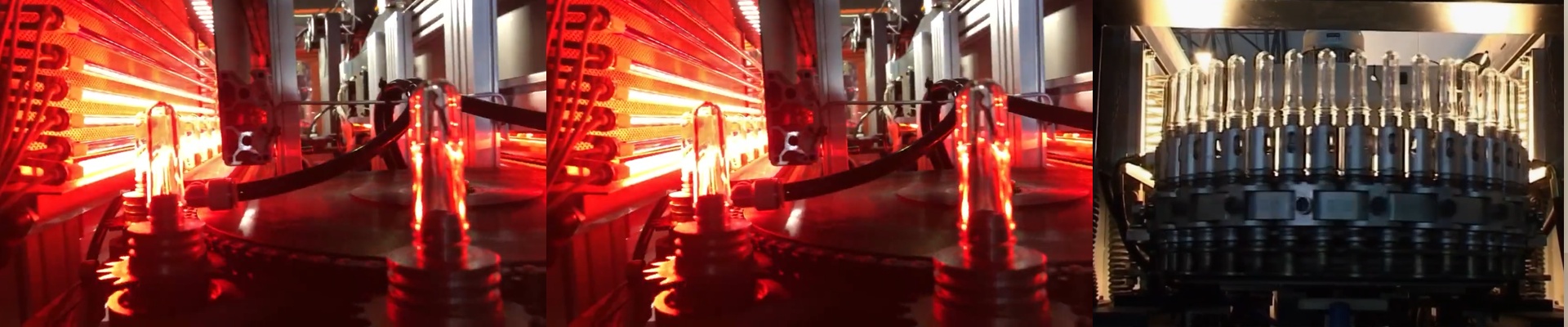
You know that moment—service is flying, the dish station is stacked, and one wet glass or damp plate is about to jam the whole line. Steam hangs around. Water spots bloom on glassware. The pass backs up while you wait for heat to catch up. In a commercial kitchen, that pause isn’t just a headache. It hits throughput and consistency right in the gut. medium wave radiant heaters in tableware dryers aren’t about flashy claims. They’re about getting the work done—fast, repeatable, with heat that behaves the same way shift after shift. When you need to dry, warm, or hold tableware at the right temp, medium wave infrared gives you control you can feel in the flow.
What matters, technically
Medium wave sits right between short wave—fast, focused—and long wave—slower, broader. The payoff is heat that comes on quickly, holds steady, and spreads evenly across the target. We build these units around medium wave infrared elements that throw radiant energy immediately. No long warm-up. No idling heat loss. The response is near-instant, so the drying chamber gets back to operating temp fast after a rush or a reset. Precision control matters here, not as a line on a spec sheet, but because you need stable temps without chasing the thermostat. Medium wave pairs well with closed-loop control, so the heater adjusts to hold the set point instead of overshooting and then cooling off. The radiation profile is uniform across the drying area, and that matters when you’re drying stacked glasses, plates, and cutlery. Hot spots and cold corners are the enemy of consistent drying. With even coverage, water evaporates at a steady rate across the load, and condensation doesn’t pool in low points. Practically, that means fewer water marks, fewer re-wipes, and a pace you can count on from the first rack to the last. Energy use is straightforward: radiant heat transfers directly to the surface, not to the air around it. Less wasted heat in the room. More energy going where it needs to go. In a busy kitchen, that shows up as lower draw during peak hours and less strain on ventilation.
Why this works where you need it
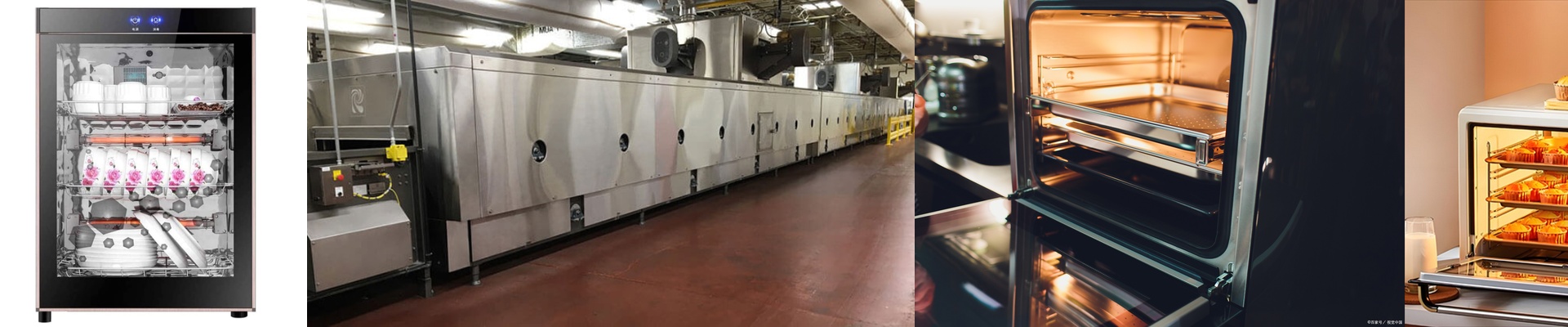
A tableware dryer isn’t a luxury. It’s a lever on the workflow. Drop a medium wave radiant heater in, and you turn a bottleneck into a smooth step in the service chain. Speed is the obvious win. Glasses and plates come out of the dishwasher wet and warm. Medium wave radiant heat drives off moisture quickly, so you can rotate dry pieces back to the front without waiting. In a high-volume pass, that rotation keeps the station stocked and the team moving. Temperature control matters for quality, too. You’re not just drying—you’re warming to a holding temp that supports the guest experience. Medium wave holds steady, so tableware stays consistent without swinging hot and cold. That means warm plates, dry glasses, no condensation—and it supports sanitation because stable holding temps keep hygiene predictable. The workflow benefits stack up. Faster drying means fewer towels, less labor on polishing, and fewer interruptions mid-service. Fewer spots and streaks means less rework. Back of house, that adds up to a calmer station and a pace you can trust. This approach also fits naturally alongside your other equipment. If you’re running a deck oven, rotary oven, or convection oven, you already know the value of stable heat. A medium wave radiant heater in the tableware dryer extends that same principle to the service line, keeping a consistent temperature philosophy from prep and bake to the pass.
The real-world details
Medium wave radiant heaters are simple to run, but they have real requirements. Clearance matters. Radiant elements need space to do their job, and insulation and shielding need to stay intact to protect nearby surfaces and staff. Installation is usually straightforward, but it has to respect airflow and clearances in the dish area. Heater life depends on the environment. Steam, detergents, and rapid thermal cycling are part of the kitchen, and they can take a toll over time. We design for durability, but it’s sensible to check mounting, electrical connections, and protective housings regularly. Keep the element housing clean and dry, and you’ll get long, reliable cycles. Compatibility is another practical point. Medium wave radiant heaters integrate cleanly into most tableware dryers and warming cabinets, but the control interface should match your workflow. If your station uses a specific thermostat or sequencing, make sure the heater’s control strategy lines up with what you’re already running. And while radiant heat is efficient, it still produces surface temps that demand safe handling. Good guarding and proper placement reduce risk, but training the team is the simplest safeguard. Medium wave radiant heat is about practical performance: fast response, steady control, and even drying. If your goal is smoother service, fewer interruptions, and tableware that’s consistently at the right temperature, this is the kind of heat that earns its keep—every shift.