Stop Letting the Cold Kill Your Patio Profits
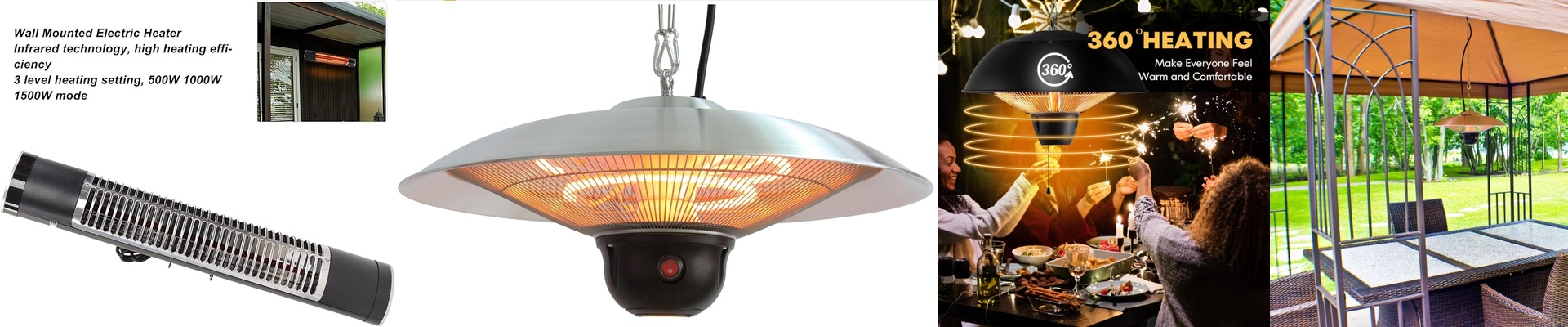
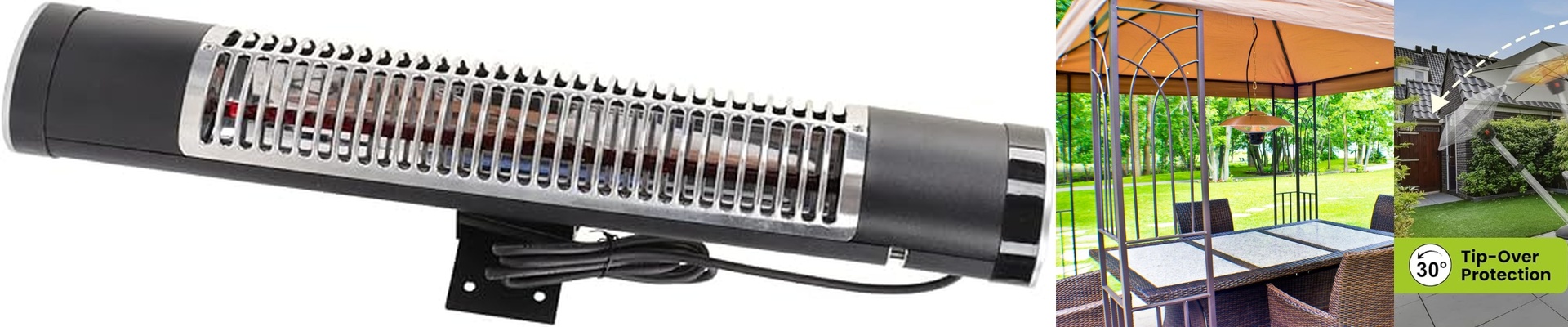
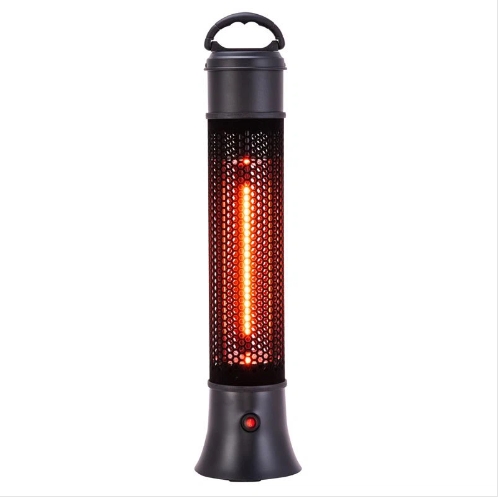
It’s a frustrating cycle. The weather dips, and suddenly your outdoor seating—which you paid a lot for—just sits there. Empty. Customers want to sit outside, but nobody wants to shiver through a meal. That’s where ceiling radiant heaters come in. Now, forget about those bulky forced-air heaters. You know the ones—they try to warm up the actual air, but in an open-air space, a single breeze just carries all that expensive heat right away. It’s a waste of money. Infrared is different. Instead of fighting the wind, these heaters beam warmth directly onto your guests. It’s like sitting in the sun on a crisp October day. The moment a customer sits down, they feel it. They relax. They stay for another drink or a dessert they weren’t planning on ordering. It’s a simple shift that keeps your tables full even when the season starts to turn. The nitty-gritty on setup Most of our commercial gear runs on 220V-240V, so it fits right into a standard commercial grid. We lean toward high-wattage units because you need enough punch to cut through a sudden gust of wind. But here is the trick: you have to plan your layout carefully. If you just toss a few heaters up randomly, you’ll end up with “cold spots” where guests are still freezing. We usually suggest a staggered grid. It ensures the heat overlaps, so there’s no “dead zone” between tables. A couple of things to watch out for I’ll be honest—these things pull a lot of power. You can’t just plug five of them into one circuit and hope for the best, or you’ll be staring at a tripped breaker in the middle of a dinner rush. Make sure your electrical panel can actually handle the load. Also, these units get hot. Really hot. To keep everyone safe, you need to mount them at least 2.5 meters up, or put some safety guards on them. You don’t want anyone getting a burn. Wiring it all up is pretty straightforward. But the real win is the math. You’re turning a dead, freezing patio into a spot that actually makes you money.