Getting Your Bakery Heat Right: Why We Use Quartz
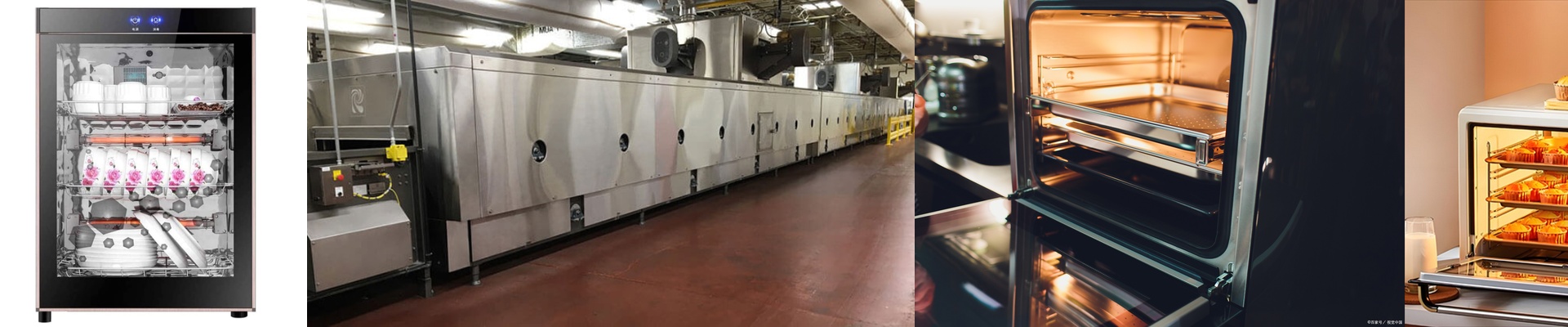
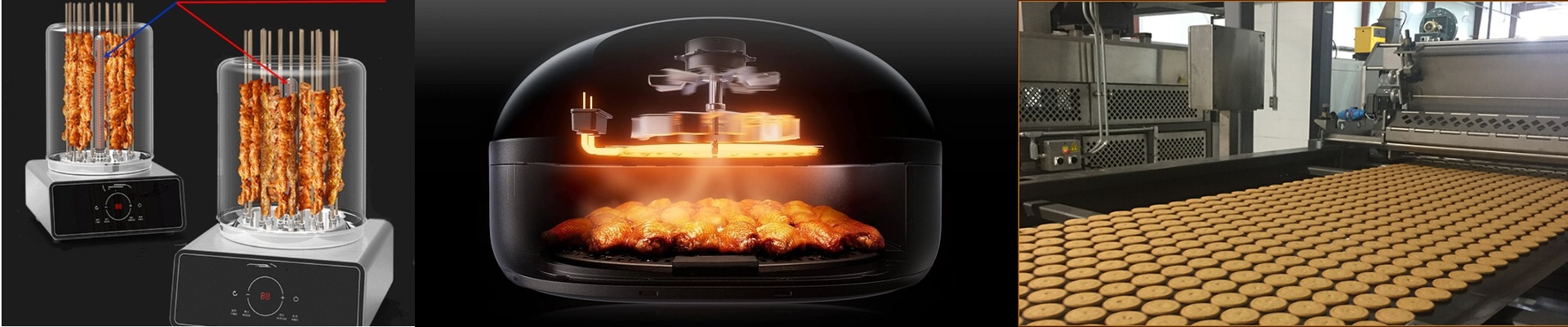
If you’re building a smart kitchen, you know that raw heat isn’t enough. You need speed. You need a system that reacts the second you tell it to. That’s why we stopped messing around with old-school heating elements. They’re too slow. They lag. Instead, we use clear quartz infrared tubes.
How it actually works
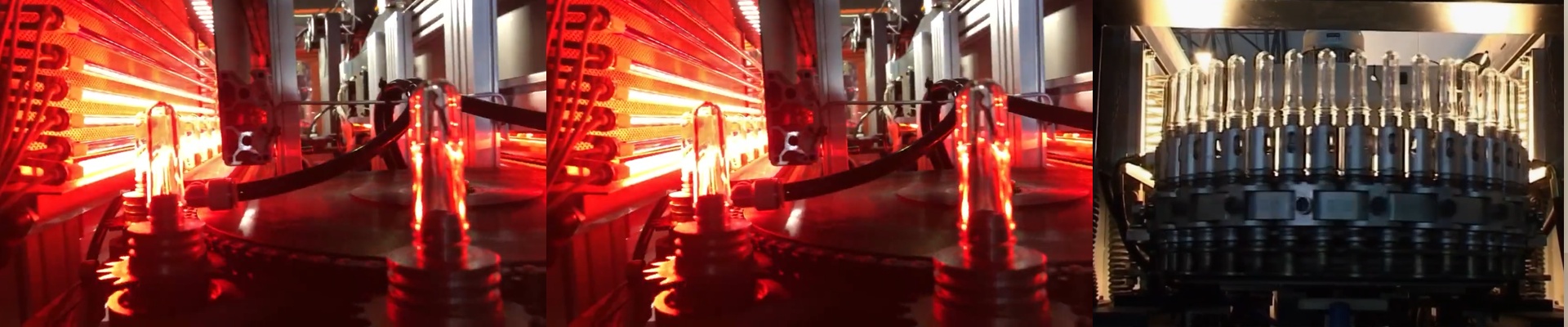
Here is the secret: quartz lets short-wave infrared radiation fly right through it. Instead of wasting time heating up the air inside the oven, the heat hits your dough or pastryinstantly. Because these tubes don’t hold onto heat like a heavy piece of metal does, your controllers can dial the power up or down without that annoying “overshoot” where the oven gets way hotter than you actually wanted. It’s precise. It’s fast. And it makes the whole baking process feel smooth.
Built for your space
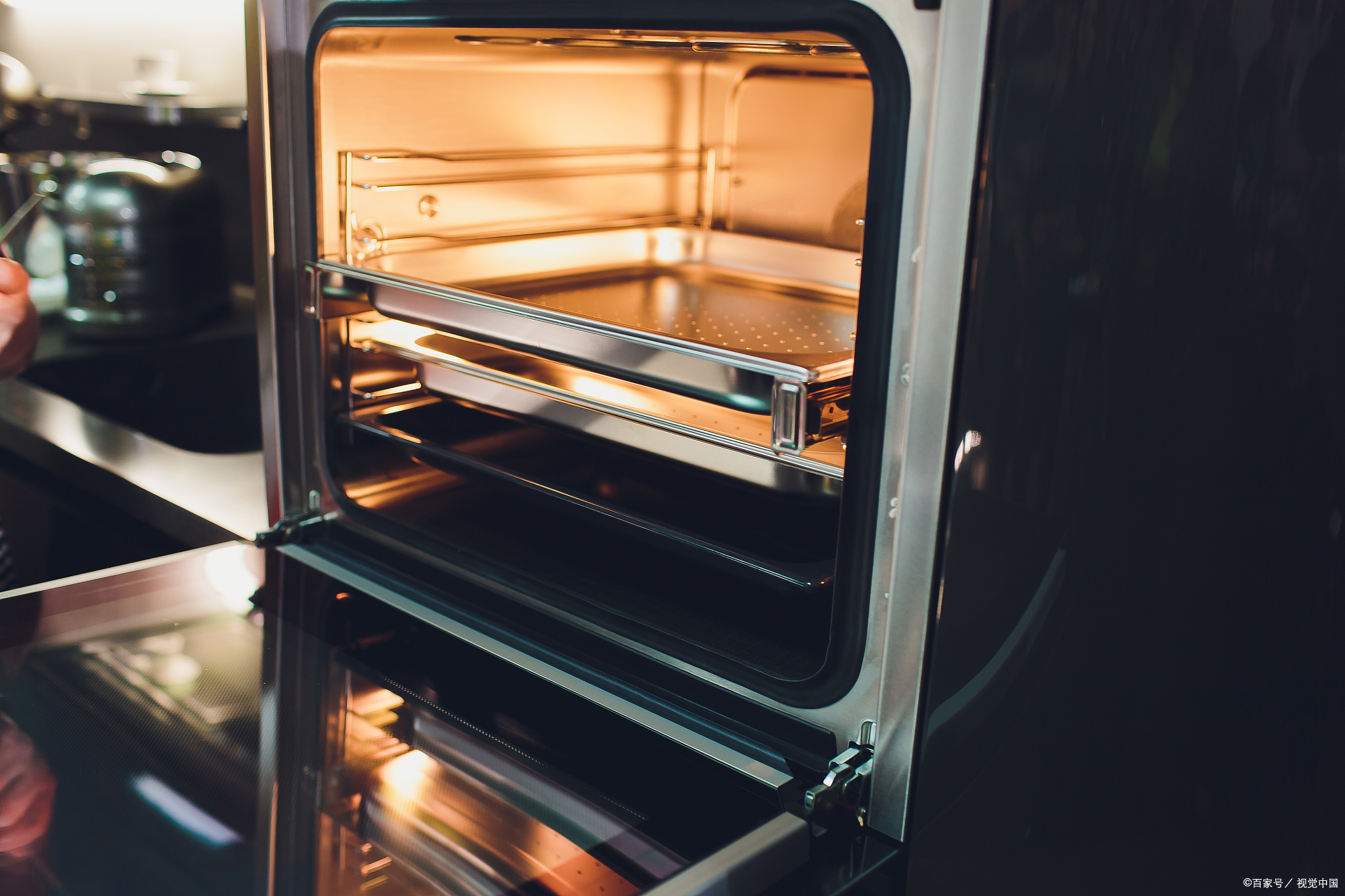
We don’t do “one size fits all.” We build these tubes to the exact length and wattage your oven needs. Usually, clear quartz is the way to go for the best heat flow, but if you need a different kind of heat spectrum, we can add coatings to tweak things. We also think about the person actually working on the shop floor. We use R7s or Sk15 bases, which basically meansplug-and-play. If a tube pops during a busy shift, your team can just swap it out and get back to baking without having to rewire the entire machine.
The trade-offs (The honest part)
Now, look—nothing is perfect. These tubes put out intense heat, but they’re fragile. You can’t be tossing things around or letting the machine vibrate too much, or they’ll snap. And because they’re so powerful, you have to be smart about your cooling. If your fans aren’t up to the task, you’re going to melt your plastic housings or fry the sensors that run your AI logic. It’s a nightmare to fix. Do yourself a favor: put a dedicated heat shield between the quartz array and your control board. It’s a simple move that saves you a massive headache later.