Introduction
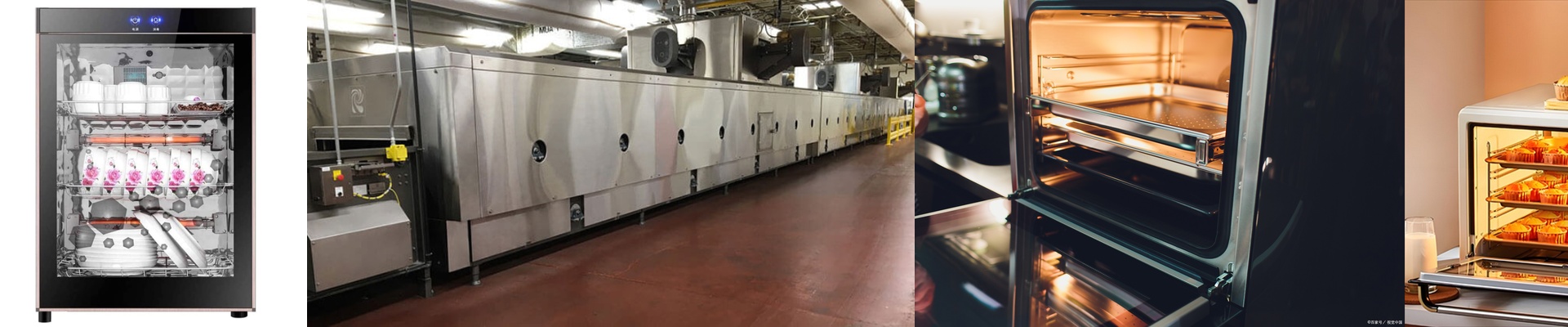
Ever wrestled with a multi-layer oven? You know the drill—trying to keep the temperature even from top to bottom is a constant headache. Standard heaters just can’t keep up, especially when heat bleeds out the door or the top deck runs cold. So we built something different: a twin quartz infrared heater. It gives you independent, precise control for each layer, turning that daily fight into a simple, steady win.
The Power Behind the Size
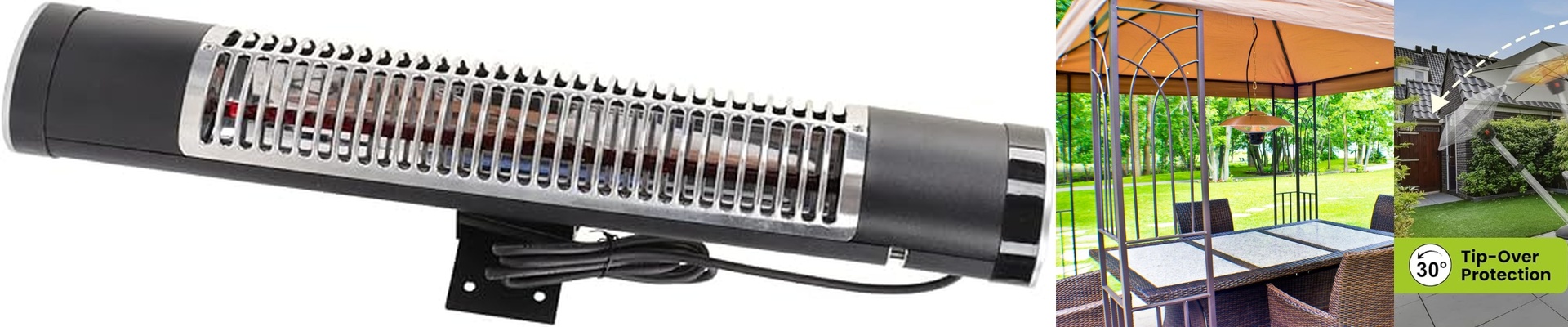
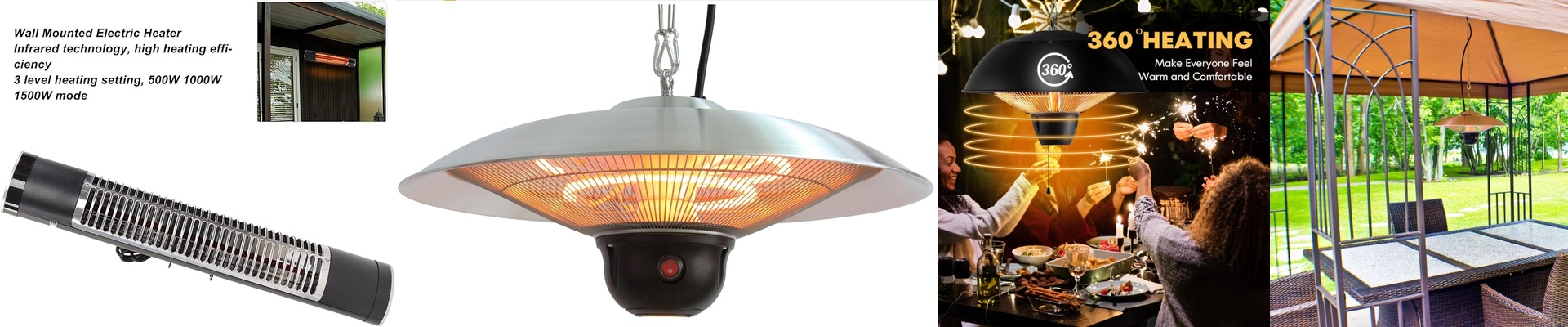
At the heart of this thing is a twin-tube quartz lamp, packing serious heat into a small space. We made it 300mm long on purpose—so it fits into tight spots without crowding the oven. That means you can pack more heaters into each square foot, and get better coverage without overhauling your setup. And the 400V rating? It’s not just a number. It delivers 2500W of power, enough to blast past thermal inertia and hit your target temperature fast. But with that kind of heat, you need proper cooling—airflow or water cooling that can handle the extra warmth and keep your electronics calm and stable.
Built to Last, Built to Work
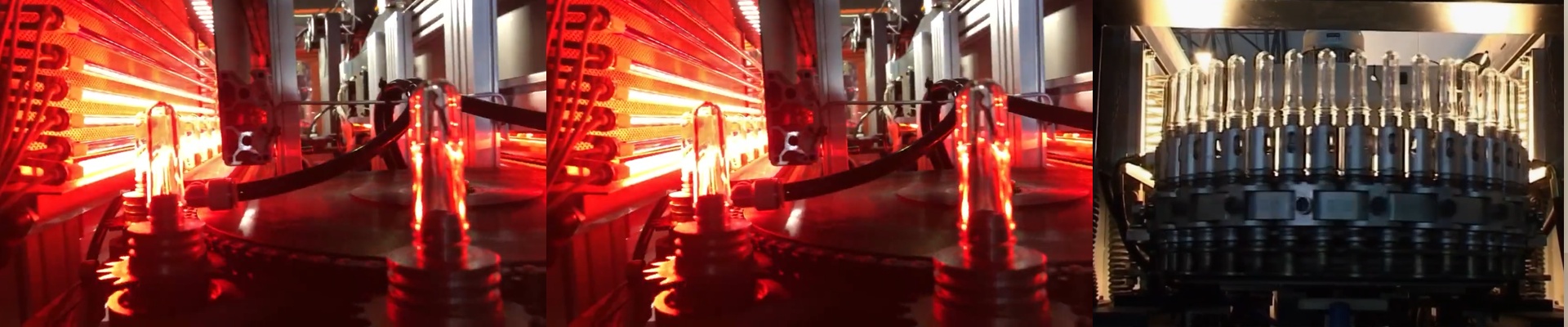
The quartz tube is the backbone here. It handles rapid heating and cooling without cracking, and keeps delivering consistent heat for thousands of hours. The shortwave infrared coating focuses the energy right where it matters—on your product—so you don’t waste heat on the oven frame. Then there’s the R7s connector. It’s the no-nonsense choice for real-world factories. It locks in tight, stands up to high heat, and won’t shake loose when the machine’s humming. Wire it up, close the panel, and forget about it—even during long production runs.
What It Feels Like on the Floor
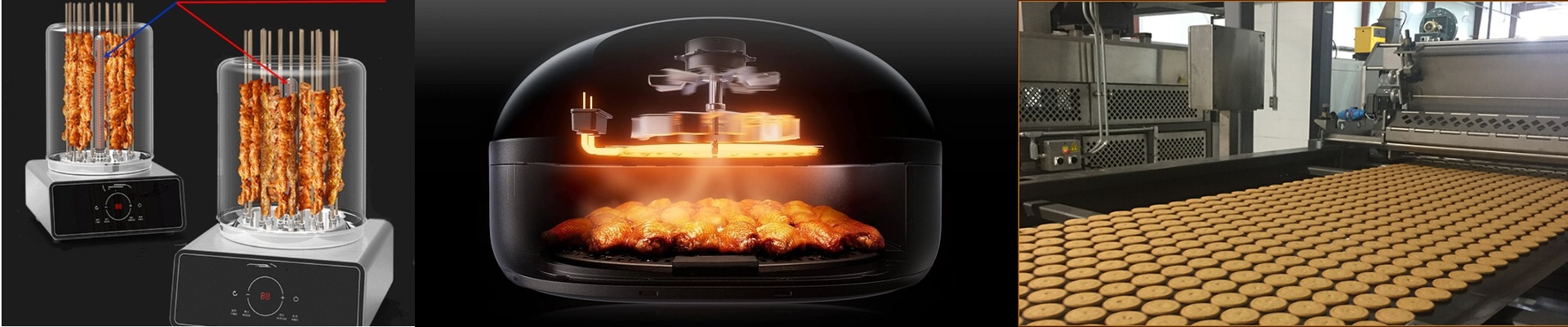
In a multi-layer oven, independent control for each shelf is what separates scrap from solid yield. And the best part? This heater drops right in as a replacement for standard infrared units, so you can upgrade an existing line without redesigning the whole thing. You get layer-by-layer control that wipes out hot spots and cold spots that ruin quality. The twin-tube design spreads the heat evenly across the whole zone, so every inch is consistent. For engineers, that translates to fewer rejects, faster cycles, and less time chasing temperature drift. And when a lamp does burn out, the R7s connection makes replacement quick—minutes, not hours. So your line keeps moving, and your maintenance stays simple and low-cost.