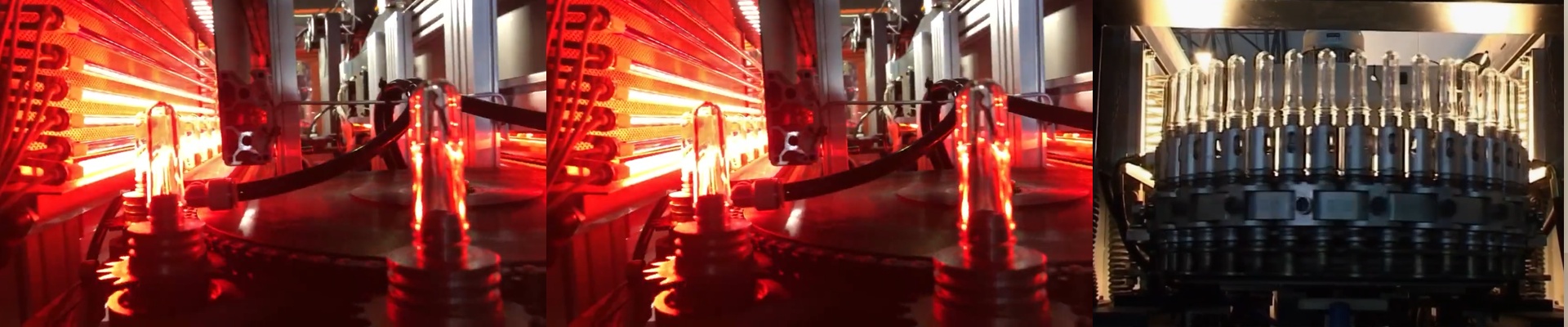
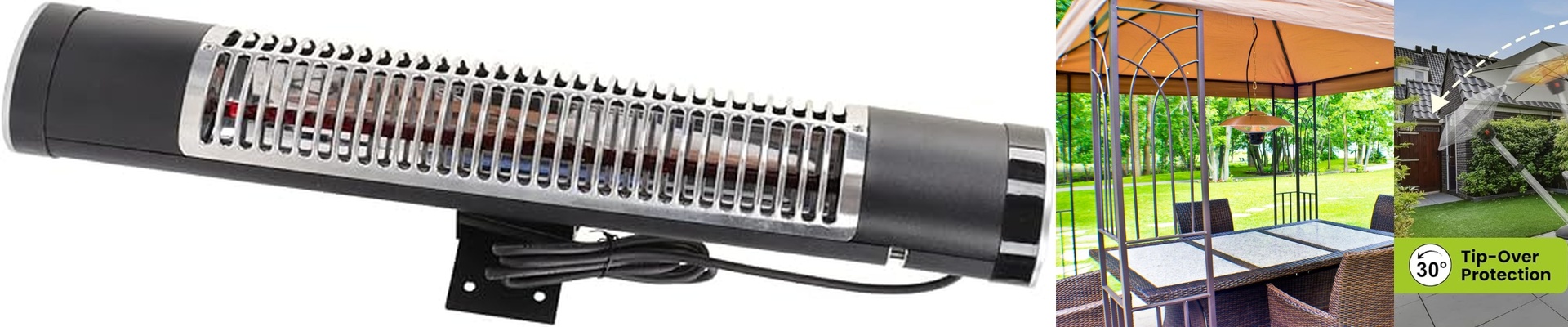
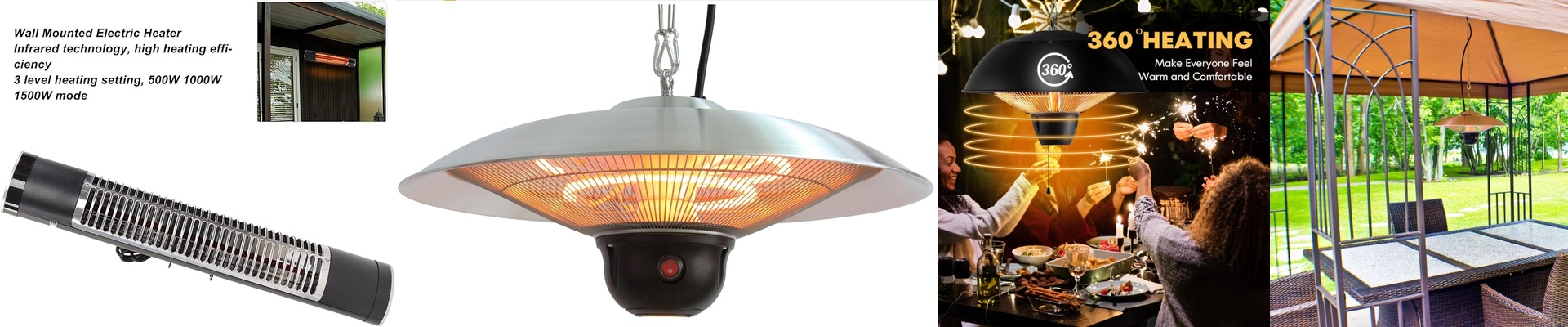
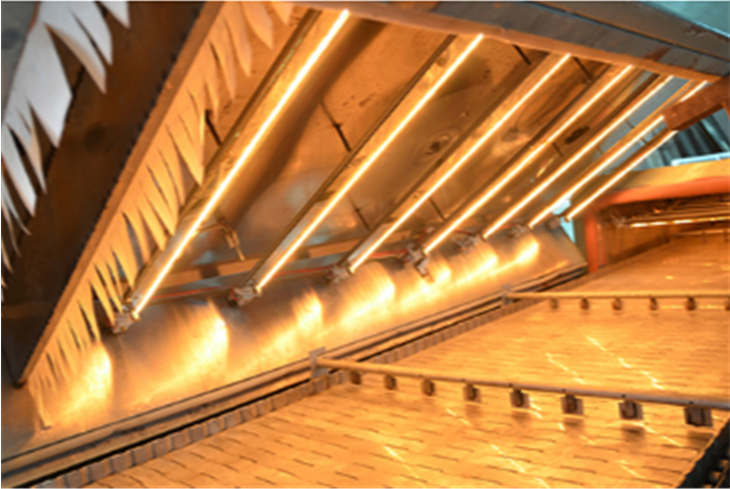
When the rush hits and the pass gets tight, every plate has to leave looking right and tasting right. A quartz heat lamp keeps food at holding temperature without drying it out—no soggy crusts, no overcooked toppings, no scrambling to rework plates at the last second. You want radiant heat that comes on fast, adjusts when the load changes, and doesn’t waste energy. What matters under the hood Quartz heat lamps give you instant infrared output—full heat in seconds, not minutes. In a typical food warmer setup, a 240V, 275W–500W quartz lamp lays down a focused hot zone exactly where you need it, with a clean beam pattern that evenly covers pans and sheet pans. The quartz envelope takes the thermal shock of constant cycling, and the filament is built for stable output over long hours—expect 5,000+ hours with minimal drop-off. Pair the lamp with a thermostat or solid-state controller, and the response is quick enough to hold within ±3°F when the pass opens and closes. Why it earns its keep on the line Over the pass and in front-of-house, a quartz lamp holds pizza, bread, and plated items without the drafts and hot spots you get from open burners. Radiant heat warms the food directly, so you can hold longer without wrecking texture. Service moves faster because the team isn’t reheating or re-plating. Energy use comes down because the lamp heats only the target area and cycles off when it’s not needed. In bakery workflows, it protects crust integrity coming off the deck oven, and at the pizza station it keeps cheese from seizing and sauce from weeping. The practical details you can’t skip Quartz lamps run hot at the surface, so clearances matter. Keep packaging and combustibles well away, and use shielded fixtures where staff are moving in tight quarters. They like dry heat; steam-heavy spots shorten lamp life, so ventilate properly and step up to higher-IP-rated housings if you’re washing down frequently. Match the lamp to the fixture voltage and socket type, and confirm mounting orientation so you don’t end up with uneven heating. Treat replacement as routine maintenance, not a last-minute emergency.