Getting Your SIG Blomax 6 Heating Just Right
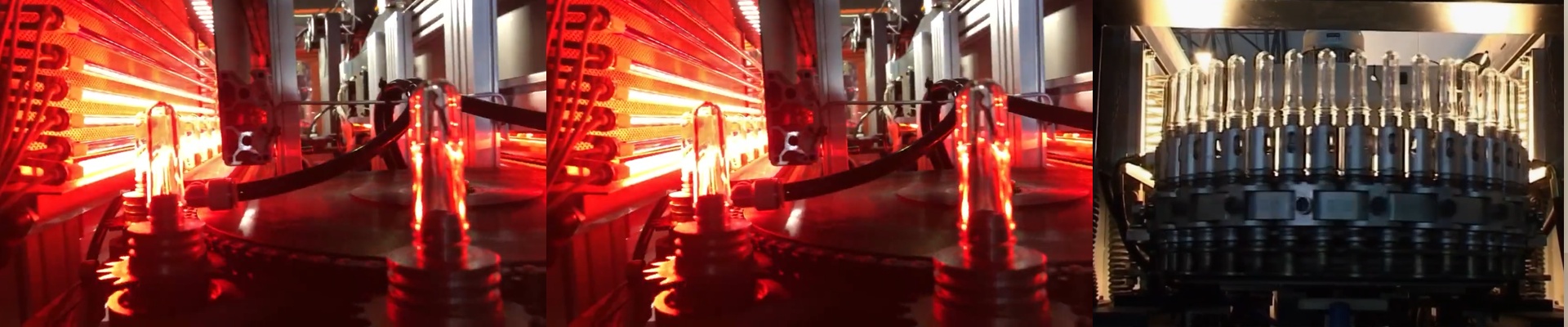
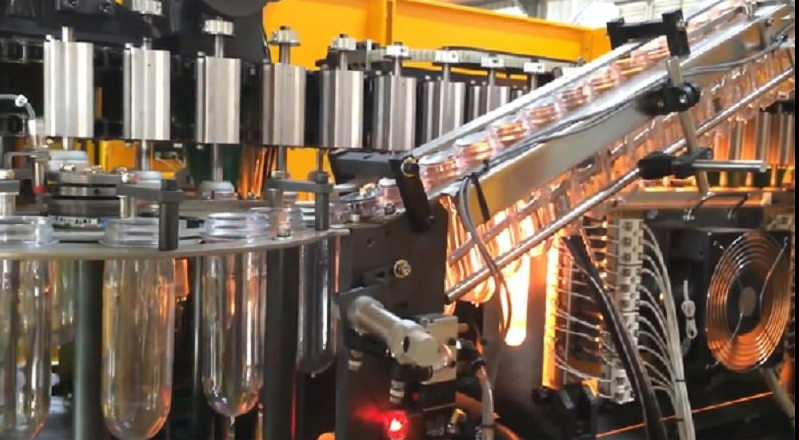
If you’ve spent any time with KHS or SIG Blomax 6 machines, you know the headache of uneven heating. One minute everything looks fine, and the next, you’re staring at bottles with weird wall thickness or deformation. It’s frustrating. We decided to tackle those “cold spots” head-on. Our replacement infrared lamps are designed to tighten up that thermal distribution so your bottles actually come out looking the way they should. The deal with power and voltage Here is the thing: PET blowing is a balancing act. You need enough watt-density to hit that glass transition temperature, but not so much that you scorch the surface. We make sure our tubes match the original OEM voltage and wattage exactly. Why? Because if the voltage is off, you’re asking for trouble—either the lamps burn out way too early, or you just don’t get enough heat soak. Now, high-wattage lamps get the job done fast, but just keep an eye on your cooling blowers. You don’t want your oven housing overheating while the lamps are doing the heavy lifting. Better quartz, better heat We use high-purity quartz glass because it can take the hit of rapid heating and cooling without cracking. Inside, there’s a halogen cycle that stops the tungsten from evaporating, which means your light output stays steady for thousands of hours. But the real secret is in the coating. We apply specific layers that shift the infrared spectrum. It’s a simple fix for a common problem: it pushes the heat into the thickest part of the preform base without cooking the neck. Getting them installed You don’t need to call in an electrician or rewire your oven. These use standard R7s or Sk15 connectors, so they just slide right into the existing footprint. It’s a direct swap. Done. One quick heads-up, though. We’ve found that these precision lamps can actually outperform the OEM versions, but they have one big weakness:fingerprints. Quartz is sensitive to skin oils. If your team touches the glass during installation without gloves, the lamp will probably fail right at that spot within a few shifts. It sounds picky, but clean handling is a must.