How to Get Pizzas Out the Door in 90 Seconds
Imagine taking your bake time from five minutes down to just a minute and a half. That’s the difference between a kitchen that’s struggling to keep up and one that’s just humming. Most people think it’s about cranking up the air temperature, but that’s not where the magic happens. It’s all about how the heat actually hits the pizza.
Why it actually works
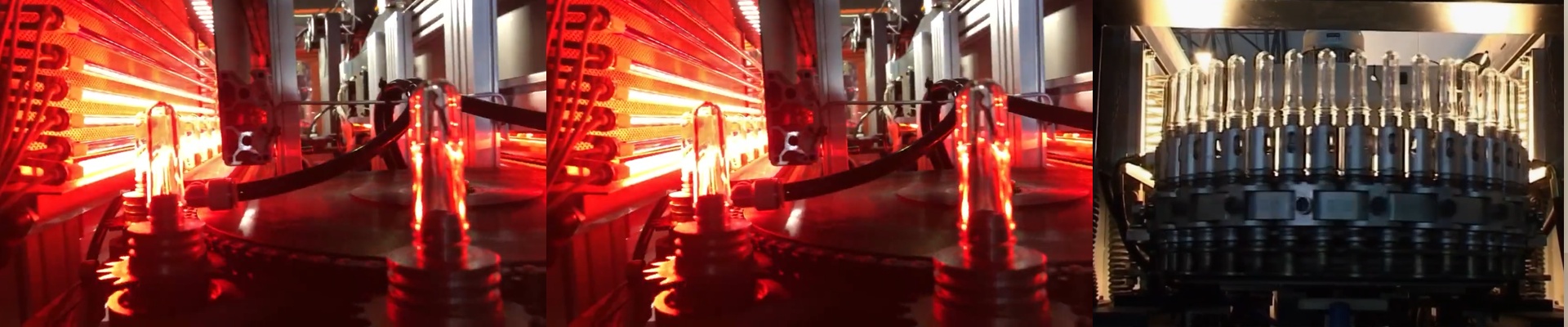
Your standard oven heats the air, and then the air heats the food. It’s a slow process. We do things differently. We use 110V halogen bulbs that shoot out shortwave infrared radiation. Instead of waiting for the air to get hot, these waves dive straight into the dough and the toppings. You get that perfect sear on the cheese and a crisp crust almost instantly. No more waiting around for the oven cavity to “soak” in the heat.
The gear under the hood
We built these lamps to pump out a massive amount of heat. Since they’re 110V, you can usually swap them into most commercial kitchen setups without needing a complete electrical overhaul. We use a quartz envelope because, frankly, the heat is intense and regular glass wouldn’t hold up. There’s also a halogen cycle at work here. It stops the tungsten filament from evaporating and gunking up the glass. That’s important because if the bulb gets cloudy, you lose your heat transfer. And if you lose that, you lose those precious seconds you were trying to save in the first place.
The “real world” warning
Now, you can’t just throw these in and call it a day. Shortwave heat is aggressive. If you mount the bulbs too close, you’ll torch your pepperoni before the middle of the dough even gets warm. You’ve got to be precise with your mounting height and your timing relays. Also, these things runhot. Really hot. Make sure your ventilation can actually pull that ambient heat away from the electrical housings. If you don’t, you’re just going to fry your wiring.
What this does for your business
When you drop your cycle time to 90 seconds, you’re suddenly pushing out three times as much pizza per hour. It completely changes the vibe in the kitchen. You stop thinking in “batches” and start moving in a continuous flow. It’s faster, it’s smoother, and your customers aren’t staring at the clock.