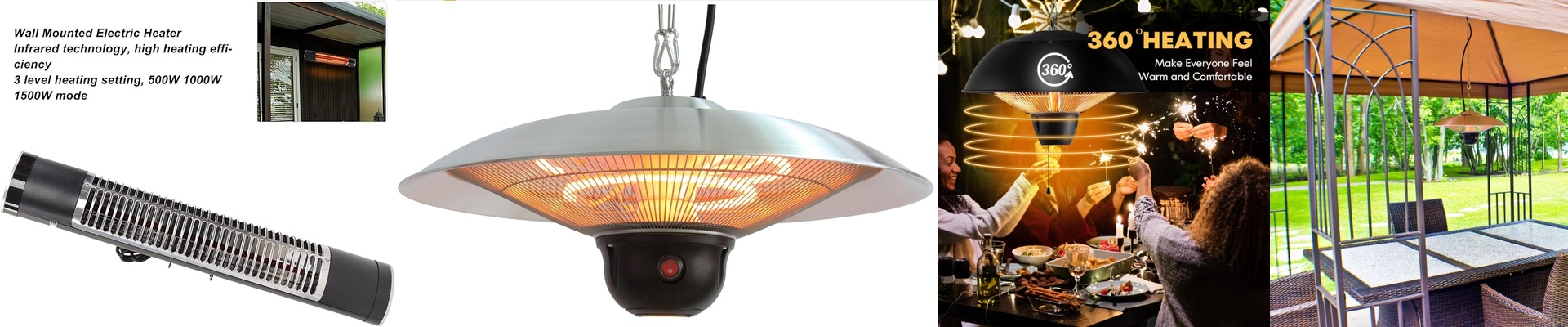
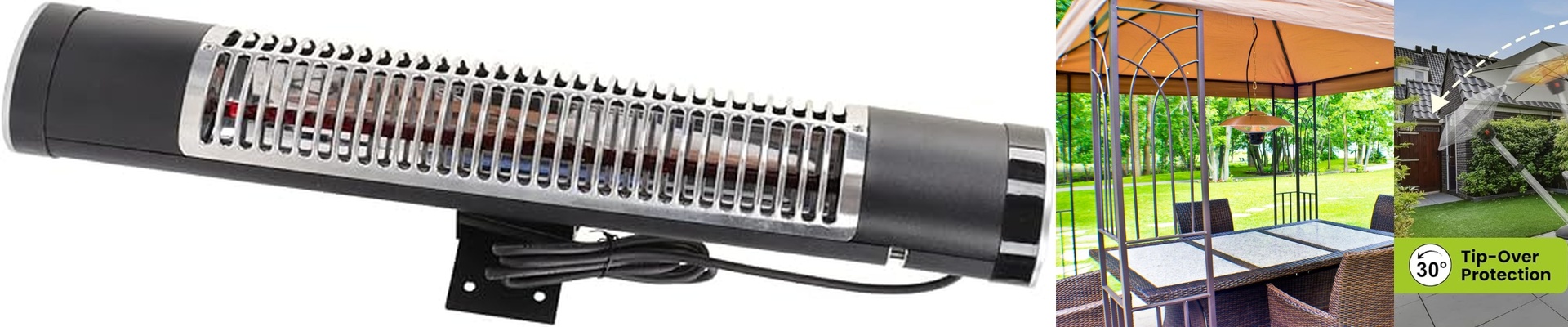
When the rush hits, you don’t have time to wait on a lamp that’s slow to come up. If the heating element lags, sauces break, proteins dry out, and the display loses its shine—customers notice, and you feel it on the ticket.
What matters under the hood
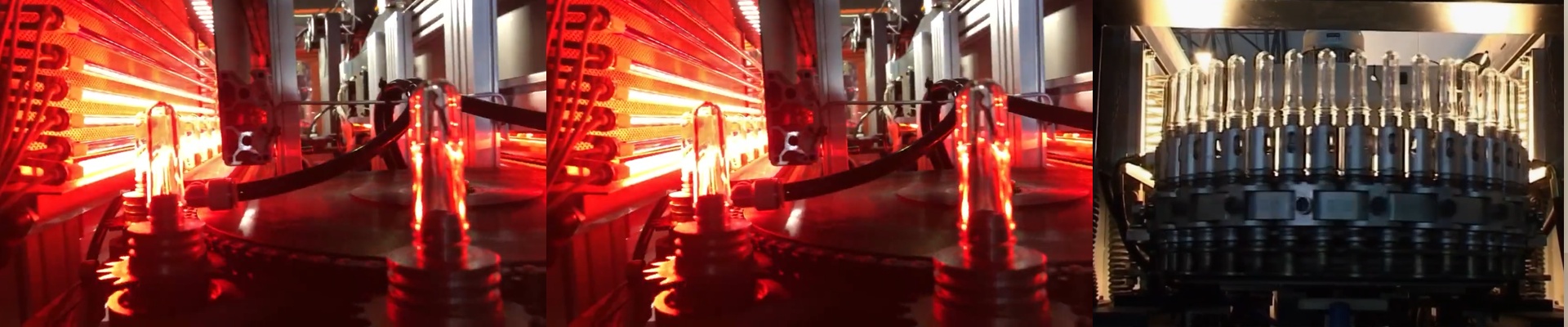
A buffet lamp reheating element is built around short-wave infrared from a quartz envelope, giving you fast heat-up and tight control in a compact warming zone. Most run on standard line voltages—120V or 240V, depending on the region—and are engineered to drop straight into common buffet lamp housings, with connectors matched to the fixture. Quartz handles thermal shock better than glass, so the element can cycle quickly without cracking. Wattage is chosen to match the lamp’s airflow and reflector geometry, keeping heat on the pan where it belongs, not wasted into the cabinet.
Why this works in a buffet line
In a busy line, speed and consistency are the real quality signals. The quartz tube brings food back to serving temp fast, so every plate looks fresh: hot items stay hot, sauces keep their gloss, and toppings keep their texture. That rapid recovery supports even heating across the pan, which helps hold steady temperatures and reduces the risk of overcooking. The payoff is food that keeps its color, moisture, and appeal—even through the longest service windows.
The practical details
Installation is straightforward, but fit and airflow matter. Before you swap, confirm the lamp’s wattage rating, voltage, and connector. Make sure the reflector and shielding are clean and aligned the way they should be. Quartz tubes do their best work when the fixture gives them adequate ventilation; choked airflow will shorten service life. You’ll get strong output and fast response, but in high-cycle spots, plan on periodic inspections to keep performance consistent.