

You know the feeling—standing in your living room on a bright winter afternoon, sun pouring through the south-facing windows, yet the air feels thin. The north wall is pulling in a draft, and that old electric heater is working overtime without getting the job done. Matching a Sunlike infrared heater to your room’s orientation and insulation isn’t guesswork. It’s a straight power equation that puts comfort where you feel it.
What actually matters, technically
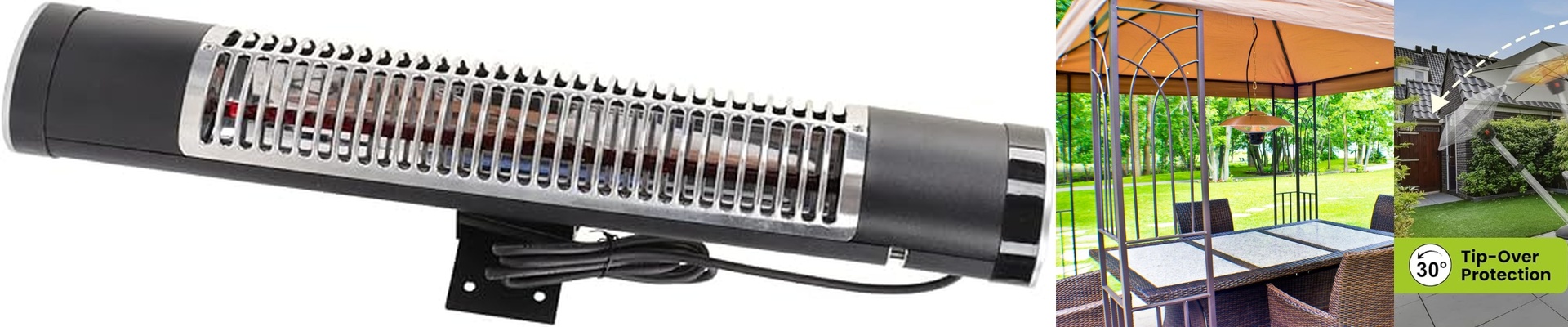
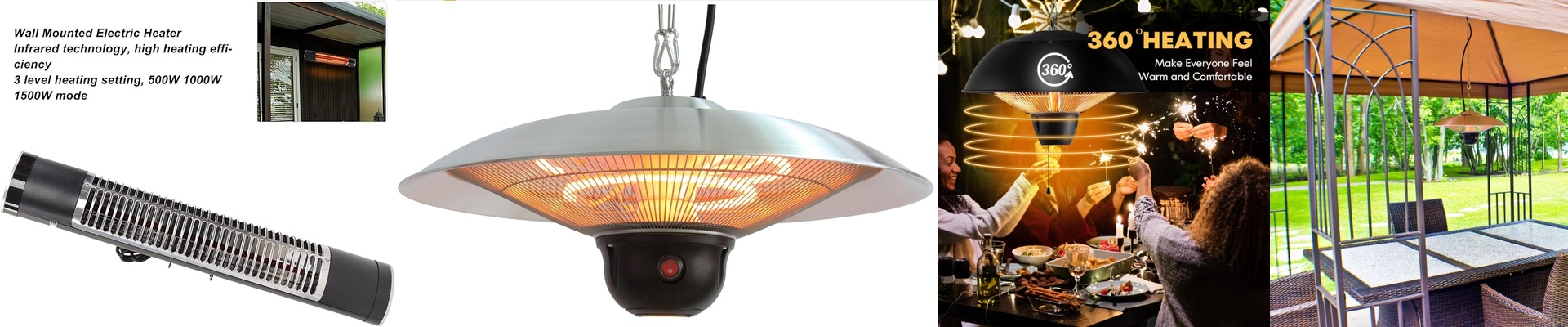
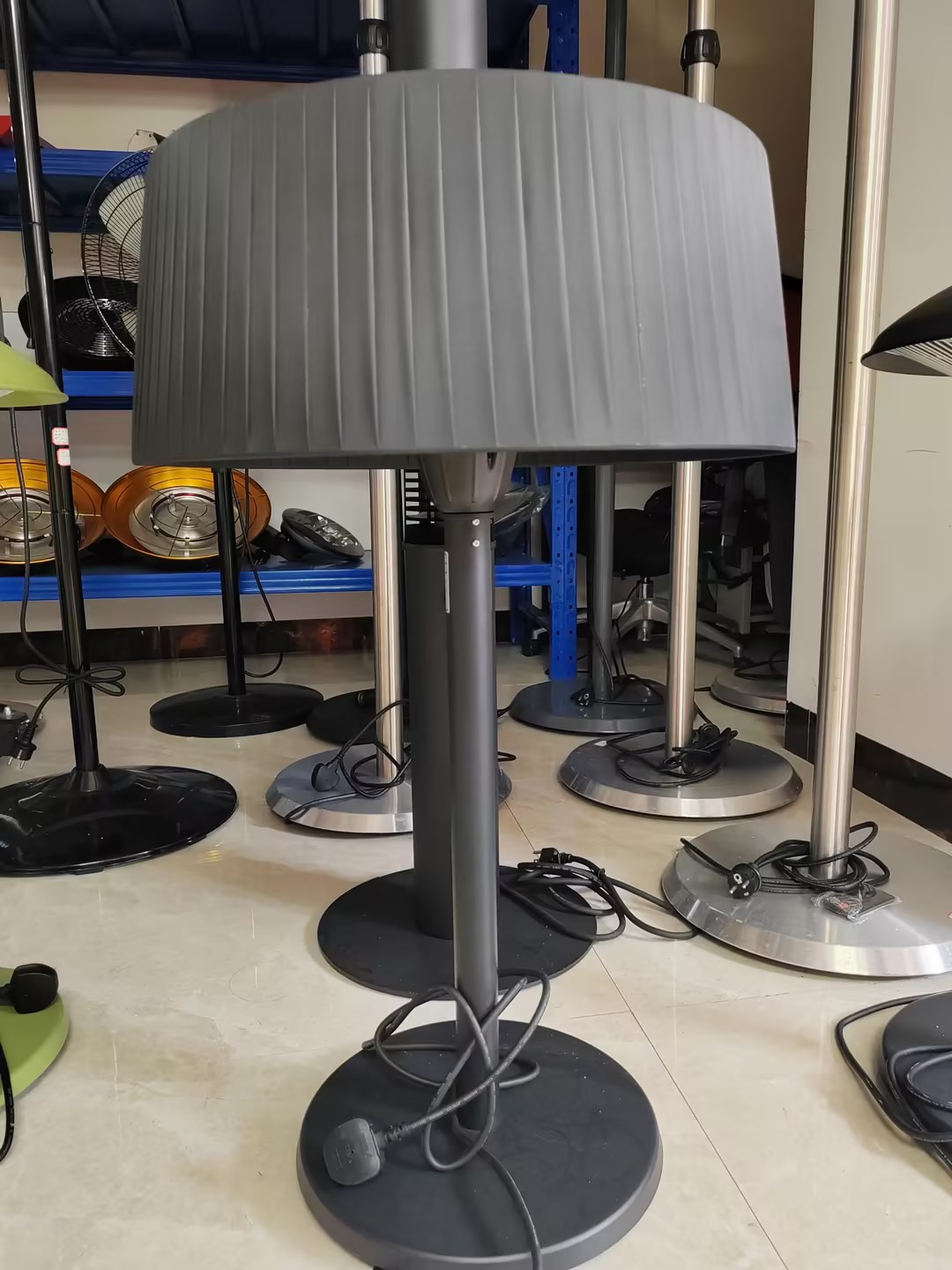
Sunlike infrared heaters deliver radiant warmth—heat that travels through the air and warms people and surfaces directly, just like the sun on a cool day. Inside, we run a carbon fiber element through a quartz tube to push out a broad infrared output that feels natural and even. The spec that matters is wattage per square meter, not just total watts. For a room with solid insulation and strong southern exposure, 60–80 watts per square meter is often enough. For north-facing rooms or drafty glazing, plan on 90–110 watts per square meter. Most homes run standard 120V, and we build in a thermostat for steady comfort, plus tip-over protection for peace of mind.
Why this approach works in practice
Comfort is personal, and it’s immediate. When you match wattage to exposure and insulation, you feel warmth within seconds, not minutes. The heater isn’t fighting the whole volume of air; it’s targeting the surfaces and bodies that define how warm you feel. That means fewer cold spots, less cycling, and a steadier feel overall. It also means you can run the heater only when you need it, so energy use stays aligned with real occupancy.
The details that make the difference
Placement matters. Keep the Sunlike infrared heater in the line of sight of the area you use most, and don’t block the path of radiant warmth. Clearances to furniture and curtains should follow the manual. In rooms with high ceilings, aim the beam toward the lower half of the space to warm the occupant zone. One trade-off: radiant heat feels best when you’re in the beam, so very wide, open plans may need two units to cover evenly. Match the power to the room, and the warmth will feel right the first chilly evening.