
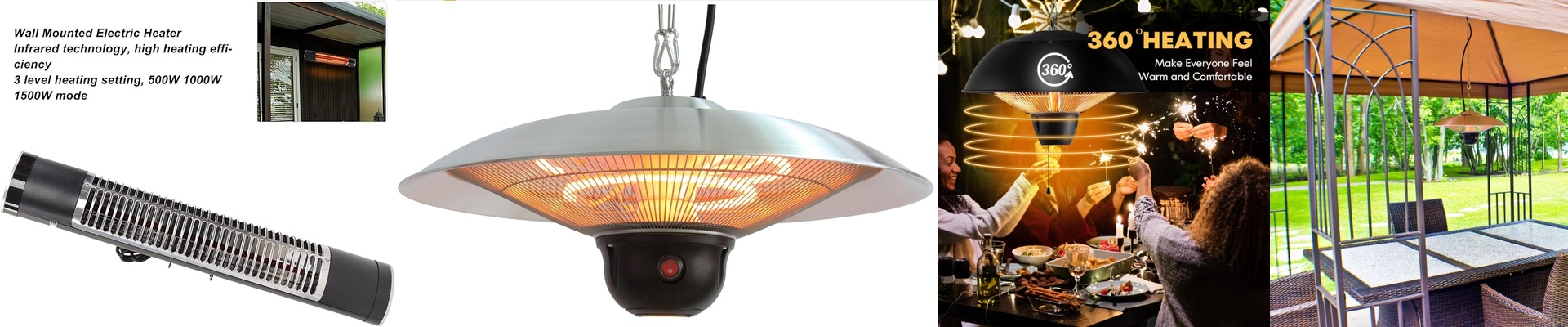

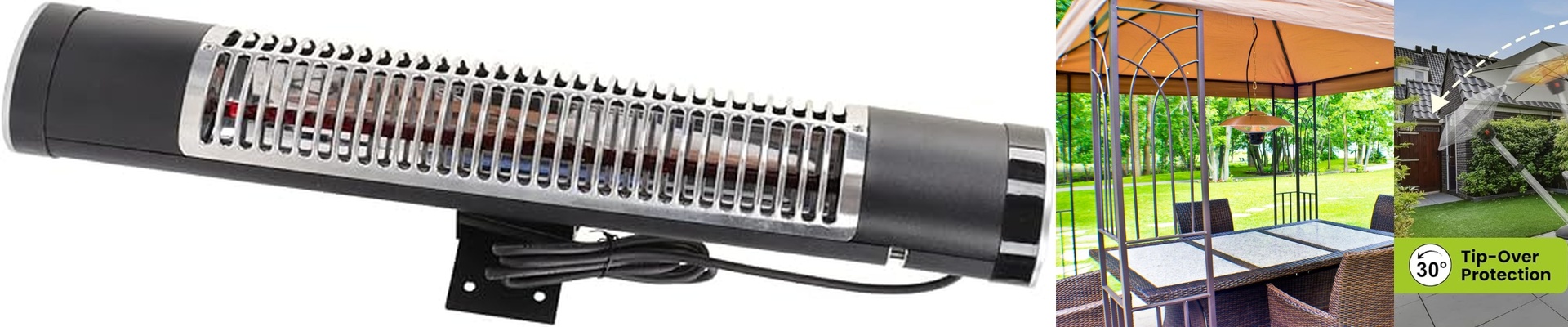
Compare a traditional electric oil-filled radiator to a hanging patio heater that leans on infrared warmth, and the difference isn’t just comfort—it’s the way you pay for it. Oil-filled units heat the air first, then the air heats you. That’s slow, and it’s often wasteful. Infrared goes straight to work on people, tables, and surfaces, so you feel the warmth almost the moment it’s on. In practice, you can run at lower power and still keep the same cozy feeling.
What matters under the hood
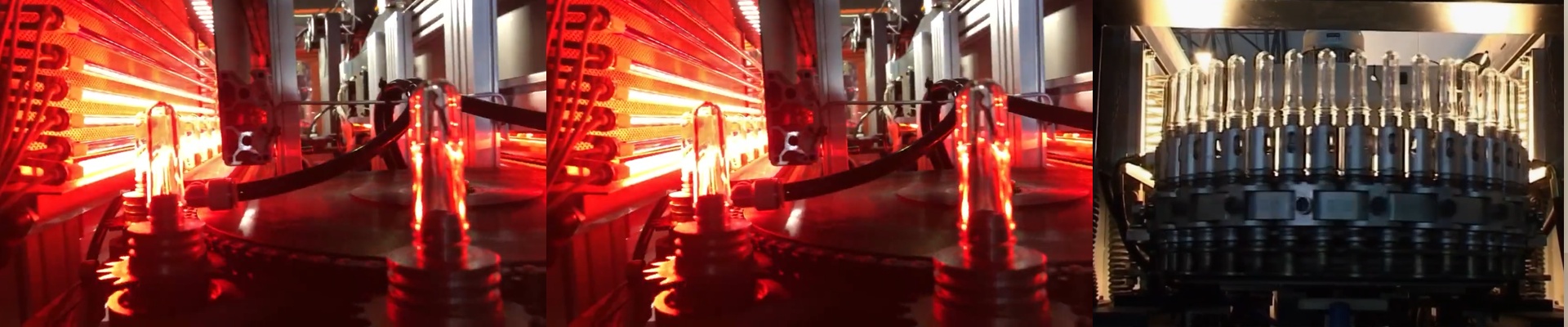
We build our hanging patio heater around a carbon fiber infrared element. It heats up fast and holds steady. The radiant heat travels outward and warms what it hits—not the empty air above the patio. That means comfort where you’re actually sitting, and far less heat lost to wind and drafts. The pattern is focused, the operation is quiet—no fan noise, no hot surfaces that scorch nearby fabrics.
Why this approach works outside
Evenings cool down fast outdoors, and waiting for a bulky heater to warm the whole area is the kind of lag that cuts evenings short. With a hanging patio heater, you flip it on, settle in, and the warmth arrives quickly. Because the heat is delivered directly, you don’t have to chase a higher thermostat setting to feel good. Many users run at lower settings and still get the same comfort, which can translate into real energy savings over a season compared with electric oil-filled heaters.
The practical details
Infrared warmth does its best work when the heater is mounted at the right height and angle, so the beam covers your seating area. It warms what it reaches—period—and it won’t heat an entire yard. For the best results, hang it overhead and aim it to cover your favorite chairs. Also, take a close look at your outdoor outlet and mounting surface. This is an electric heater, so a dedicated circuit and secure mounting keep everything safe and steady.