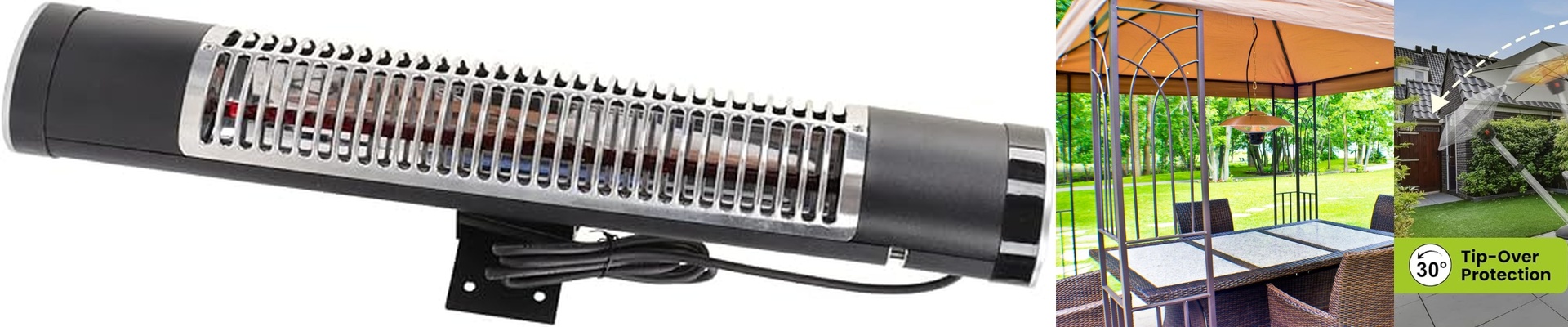
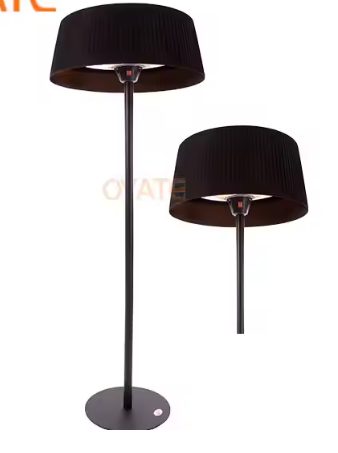
Step outside on a cool evening and you feel it right away—comfort just disappears. A standard patio heater can help, but when you’re close to family, fabrics, and the house, safety isn’t a slogan. It’s the whole reason the unit exists. That’s why we build our infrared patio heaters around explosion-proof quartz tubes: you get radiant warmth without gambling on the evening.
What matters under the hood
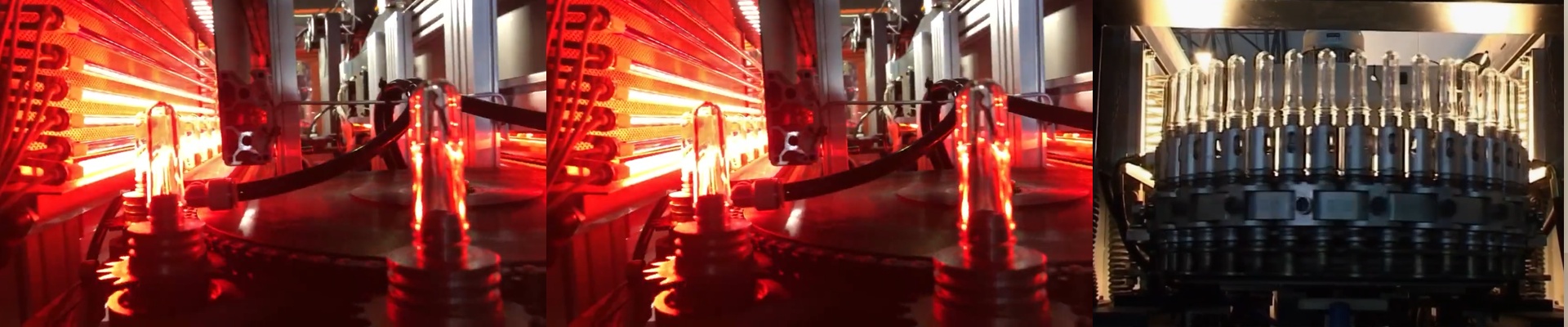
We lean on short-wave infrared heating with a sealed quartz tube, engineered to handle thermal shock and resist breakage if something bumps it. The “explosion-proof” setup keeps the element contained inside a solid housing and support structure, so even if the tube gets stressed, it won’t fail violently. Heat hits the moment you switch on—no waiting around for a coil to come up to temperature. It runs quietly, with zero fan noise, and the radiant energy goes straight to people and surfaces, not the air around them.
Why this approach works outdoors
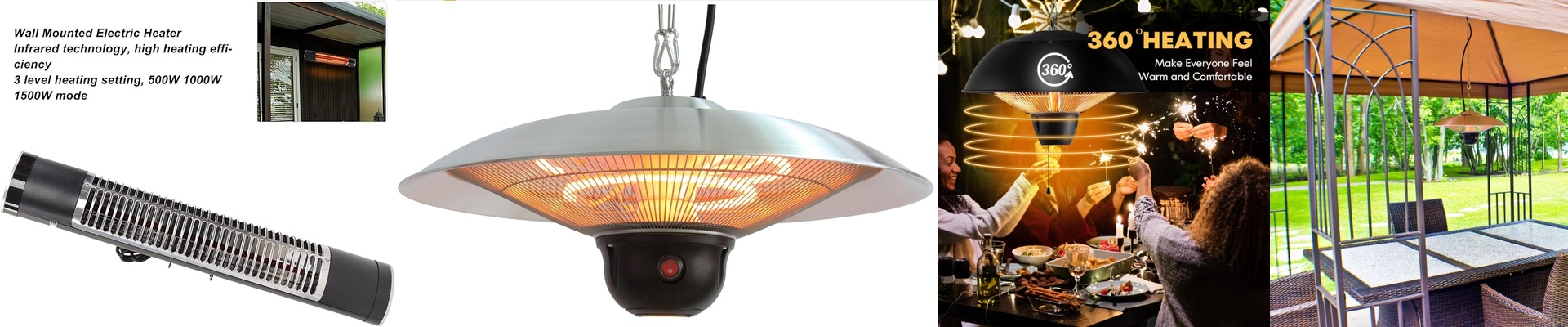
Outdoor living spaces get cold fast the minute the wind picks up. Infrared patio heaters cut through that by warming you where you stand, so conversations don’t have to stop while everyone huddles under a blanket. Because the heat is directional, you can aim the unit to create a warm pocket exactly where you need it—over the seating area, along a walkway, or right beside the doorway. And with an explosion-proof quartz tube, you can run the heater with confidence, even when kids are nearby or you’re using it close to curtains, furniture, or wood decking.
The details that make the difference
For the best performance, mount the heater at the recommended height and angle so the infrared beam spreads evenly across the seating area. Clearance matters—keep combustible materials at a safe distance and follow the spacing guidelines included with the unit. These heaters are designed for outdoor use, but they do best when shielded from heavy rain or direct spray; check the IP rating for your specific model. Keep in mind, infrared heat feels immediate, but it doesn’t warm the air the way a convection heater does. On very windy nights, you may want a secondary heat source to back it up.