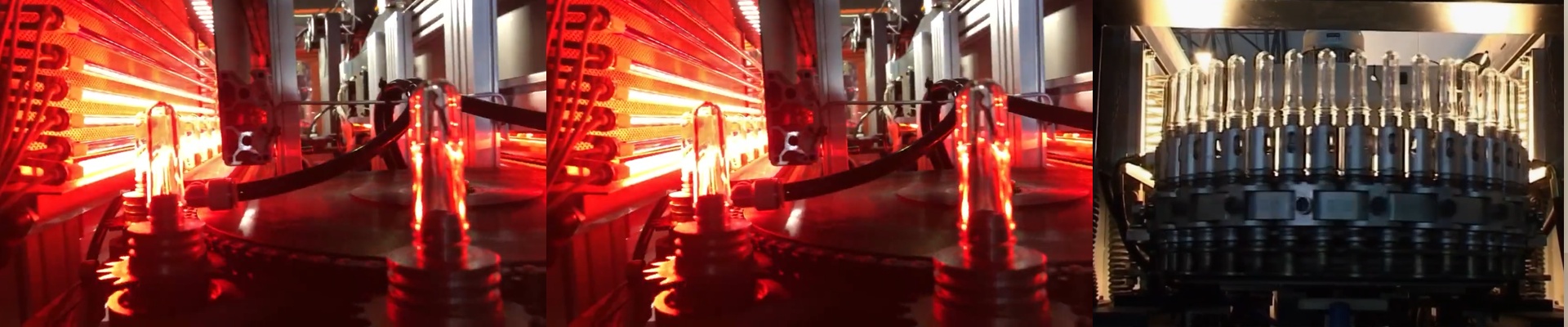
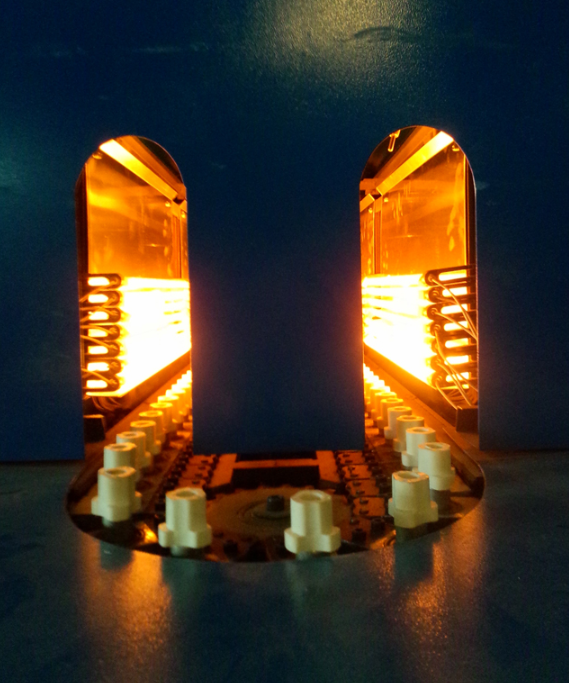
On the floor, your blow molder is only as solid as the heating section. When preform temperature drifts, stretch goes all over the place. Blown bottles follow. And you’re throwing material away for no reason. We built the screw-base infrared lamp to keep that heating tunnel stable—cycle after cycle. What matters under the hood These emitters lean on short-wave infrared, so you get quick response and tight control across the preform body. The screw base is engineered to match the sockets you already see on blow molding machines, which means a direct swap—no rewiring. Each lamp is spec’d with the wattage and voltage to match OEM heating zones, and the quartz envelope handles rapid thermal cycling without hot spots. The result is predictable output, stable spectral response, and heating that keeps stretch ratios inside spec. Why this fits stretch blow molding Timing in the heating tunnel is tight. Short-wave infrared heats preforms fast and even, so you can push throughput without scorching or cold spots. The lamp warms up quickly, which cuts start-up scrap and shortens changeovers. Energy use comes down because the emitter puts heat where it’s needed, with minimal wasted convection. On a PET bottle line, that means fewer rejects, steadier line speeds, and a lower cost per thousand bottles. The practical details that bite you if you ignore them Installation is straightforward, but alignment is not optional. The lamp has to seat flush in the reflector and be torqued to spec—otherwise you’ll get hot spots and uneven heating. Check the reflector before you replace the lamp. Pitting or oxidation scatters the output and throws preform temperature off. Also confirm voltage at the socket; line sag can push the lamp outside its rated window. And remember, peak output happens up close, so keep the lamp at the right distance from the preform path to keep the heating profile repeatable.