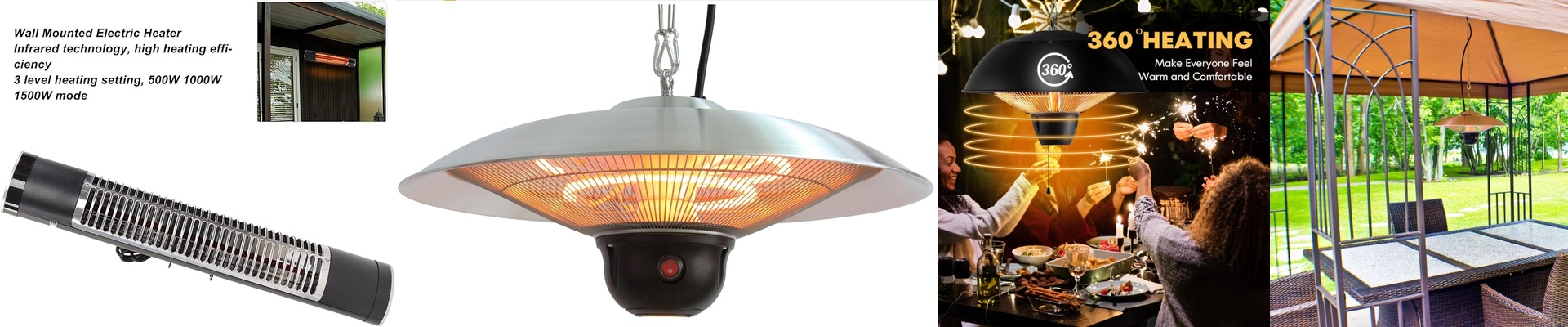

Stop the Bathroom Mold Struggle with IP55 Infrared Heaters
Most people think of bathroom heat lamps as just a way to stop shivering when you step out of the shower. But if you look at it from our side of the workbench, these IP55 infrared units are doing a lot more than just keeping you warm. They’re actually fighting a war against mold. Here’s the thing: mold loves a damp, stagnant bathroom. To stop it, you have to get the moisture off the walls and ceilings, and that’s where these lamps come in.
Drying things out (the smart way)
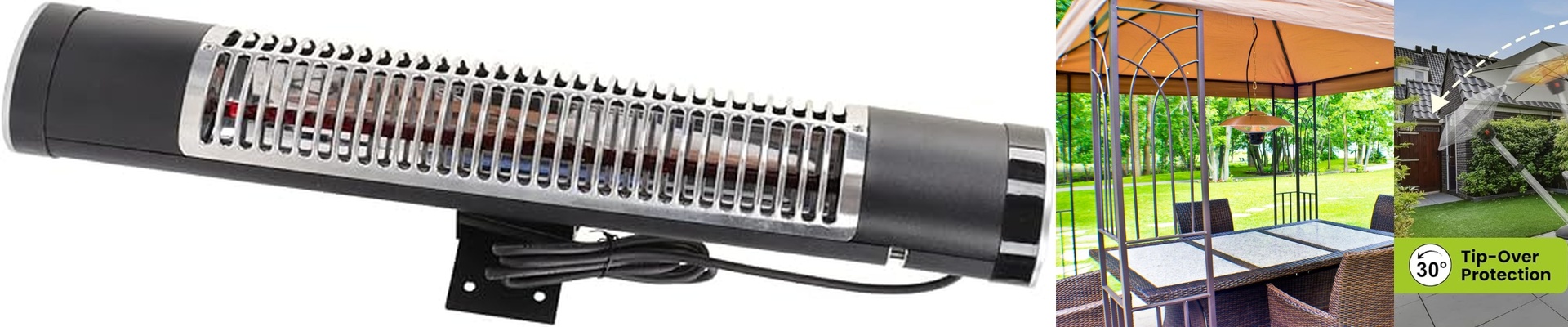
We don’t just heat the air—that’s inefficient. Instead, we use specific infrared wavelengths that go straight for the water molecules. Think of it like this: the heat penetrates that thick, humid layer of air and makes the water on your walls vibrate. This speeds up evaporation way faster than a standard heater would. By the time you’re dressed and gone, the porous surfaces in your bathroom are already drying out. It keeps the room from feeling “sticky” and stops mold spores from finding a place to move in.
Why the “IP55” part actually matters
Water and electricity are a nightmare pairing. That’s why we build these with an IP55 rating. In plain English? It means the housing is tight. Dust stays out, and if you get a spray of water or a blast of steam hitting the unit from any angle, the internals stay bone-dry. We use sealed gaskets and tempered quartz glass so the heating element doesn’t just pop the first time your bathroom gets steamy. It’s built to last in a place that’s basically a sauna.
A quick heads-up on placement
There is one thing to keep in mind: these lamps pack a punch. Because the heat is radiant, it hits surfaces fast. If you mount a high-wattage lamp directly over a plastic soap dispenser or a specific piece of trim, things can get too hot too quickly. Just be mindful of where you position them. Put them where you want the drying power, but give your plastic fixtures some breathing room. At the end of the day, we wanted to turn a basic heater into a tool that actually helps your ventilation. You get a room that feels crisp and dry, and you don’t have to rely entirely on a loud, rattling exhaust fan to do all the heavy lifting.