


Why we put our infrared heaters through a “humidity torture test”
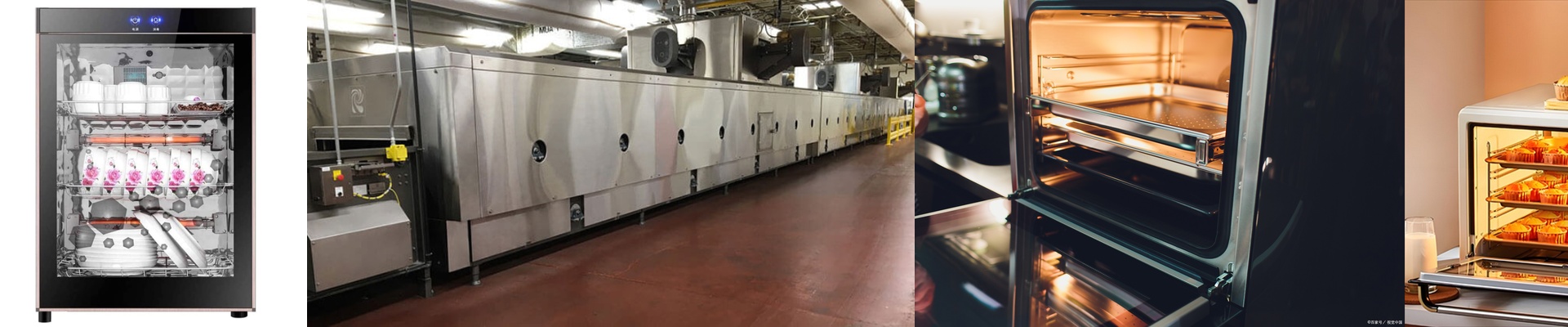
Let’s be honest: bathrooms are a nightmare for electronics. You’ve got thick steam, random water splashes, and temperatures that jump from freezing to boiling in seconds. Now, you’ll see an “IPX5” rating on the box. That basically means the unit can take a jet of water from any angle without dying. But here’s the thing—a lab rating on a piece of paper isn’t the same as real life. That’s why we throw every batch into damp-heat chambers to see where things actually break.
The battle against steam
Liquid water is easy to stop. Steam? Not so much. Water vapor finds the tiniest gaps that a droplet would never fit through. It sneaks inside the housing, settles on the wiring, and starts eating away at the metal. To stop this, we use aging chambers to speed up time. We crank up the heat and humidity, forcing the seals to expand and shrink over and over. If a gasket is a little bit off, it’ll leak during these cycles. We’d much rather find that out in our lab than have you find out when your ceiling lamp burns out six months after installation.
The “Cold Shower” effect
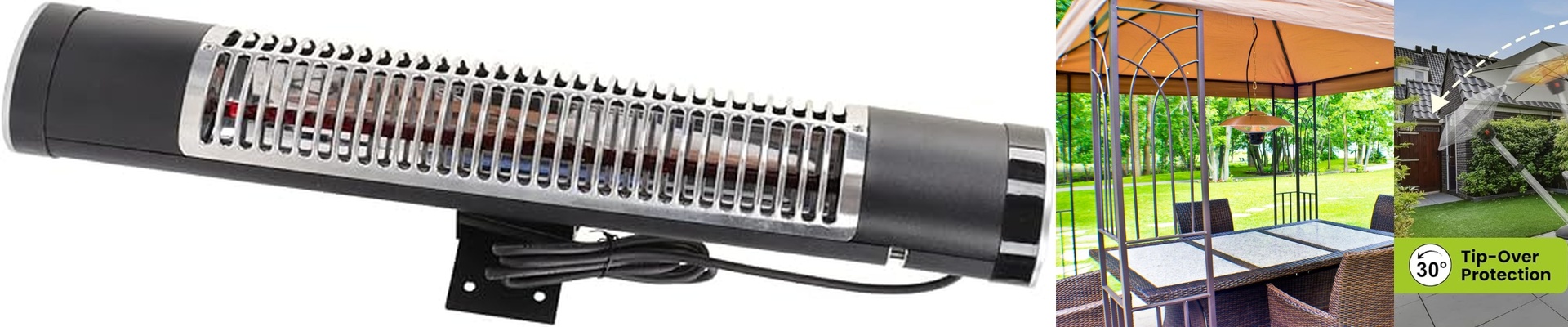
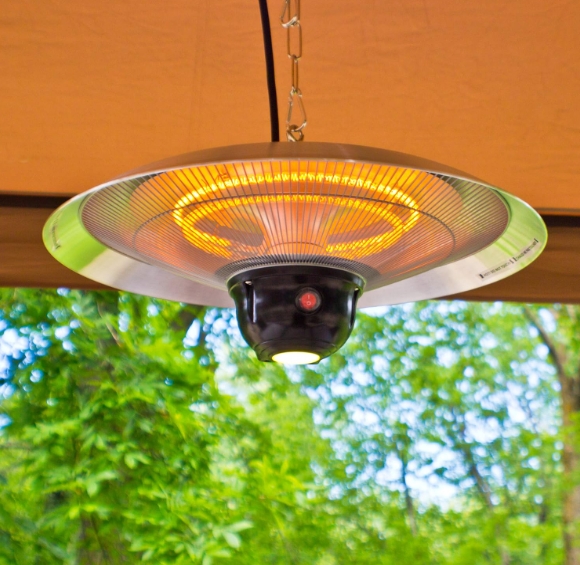
Infrared lamps get incredibly hot. But then you step in for a cold shower, and the air around the lamp drops instantly. This creates a weird vacuum effect that literally sucks moist air into the chassis. It’s a sneaky failure point. We spend a lot of time checking the “creepage” on the circuit boards—basically making sure there’s enough space between components so that a little bit of moisture doesn’t create a bridge, trip your GFCI, or short the whole thing out.
The balancing act
You might think, “Just seal it airtight and call it a day.” I wish it were that simple. If we seal the unit too tight, the internal parts can’t breathe. They start to cook in their own heat, and the capacitors fry. It’s a bit of a tug-of-war. We have to find that sweet spot where the unit is waterproof enough to survive a steamy bathroom, but open enough that the electronics don’t overheat. It takes some tinkering, but it’s the only way to make sure the lamp actually lasts.