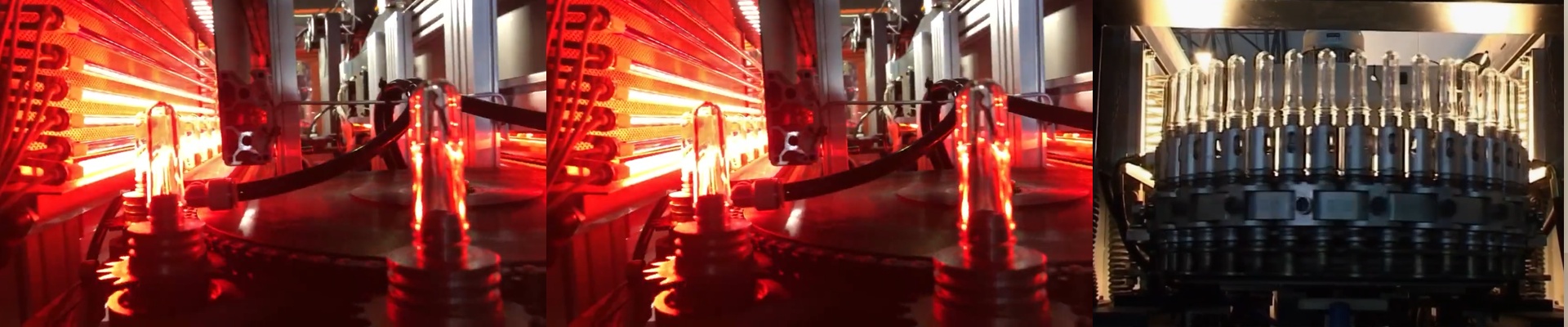

Getting the Height Right with Infrared Heaters
If you’re putting infrared heaters in a busy spot—like a gym changing room—you’ve got to get the spacing right. It’s a bit of a balancing act between making people feel warm and making sure you don’t accidentally melt your ceiling. Here’s the thing: infrared isn’t like those old-school heaters that just blow hot air around. It sends out radiation that hits people and objects directly. It feels great because you’re warm the second you step under it, but that same intensity can be a problem if the heater is too close to the roof.
The “Cone” of Heat
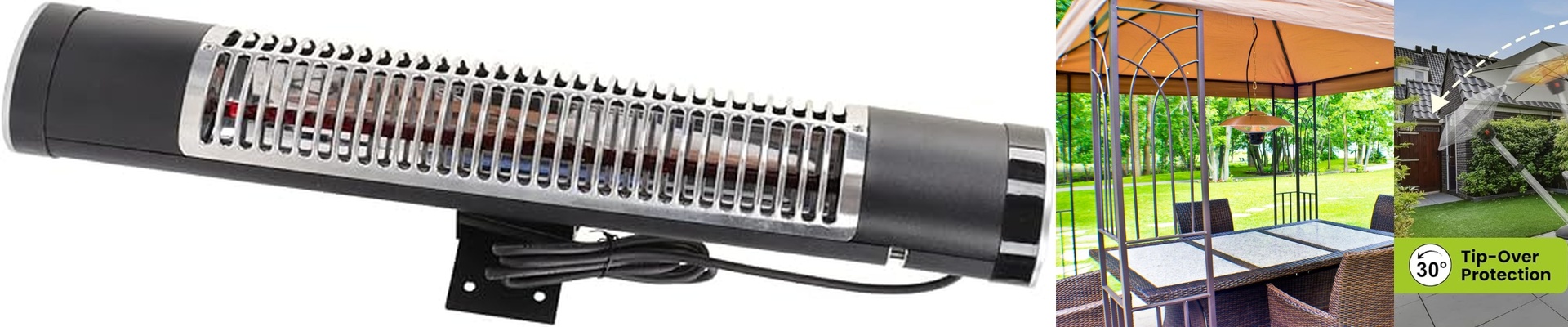
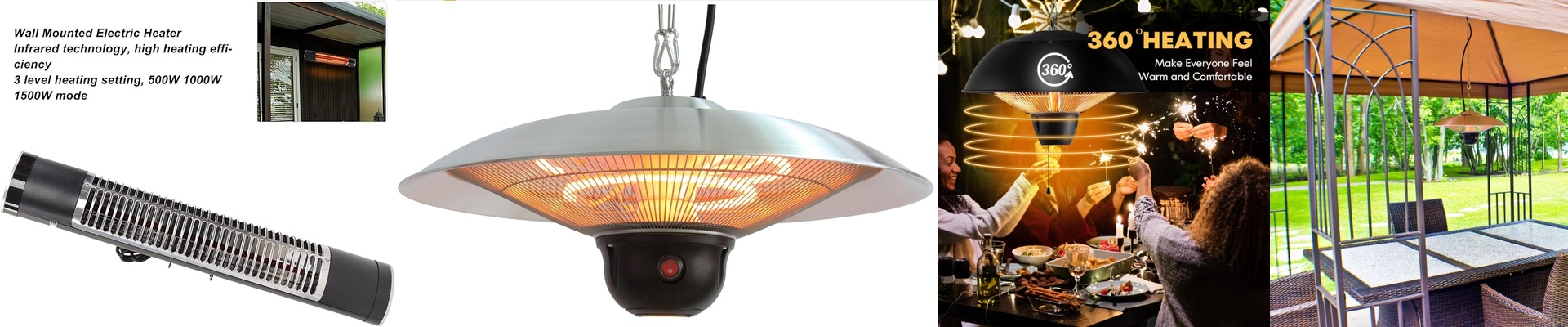
Think of the heat coming off the unit as a cone. The distance between the heater and the ceiling decides how that cone spreads. Usually, you want a gap of about 0.5 to 1.5 meters, depending on how powerful the unit is. If you mount it too high up against the slab, the heat gets trapped. Before you know it, your paint is peeling or your ceiling materials are starting to warp. Shortwave lamps are incredibly fast. They don’t waste time warming up the air; they just go straight for the target. But that means your ceiling needs to be tough enough to handle the heat radiating upwards.
The Trade-off
You’re basically choosing betweencoverageandintensity. Mount it lower? You get a tight, punchy blast of heat. Mount it higher? The warmth spreads across a bigger area, but it won’t feel as “hot” when you’re standing on the floor. I’ve seen too many engineers try to cram these into low ceilings just to save space. It never works. You end up with “hot spots” where one person feels like they’re being scorched while the person two feet away is shivering. You have to check your beam angle so the heat actually hits the people, not the building.
A Few Safety Tips
Don’t forget the wiring. These high-wattage units pull a lot of power the moment they click on. Make sure you’re using heat-resistant cables for any wires running near the heater chassis. You really don’t want the insulation melting. And if your ceiling is made of something flammable, just be smart—either add a thermal shield or give the unit more breathing room.