Home comfort shouldn’t fight your smart thermostat. In a connected house, the heater itself can be the weak link. Traditional convection units hold onto heat too long, so the system is always playing catch-up—overshooting, then coasting. You end up with higher bills and uneven comfort.
What matters under the hood
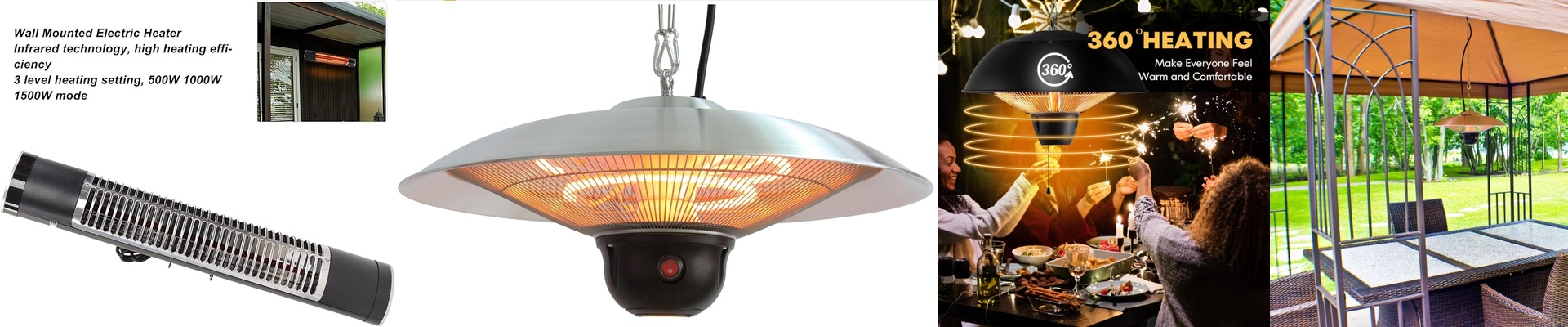
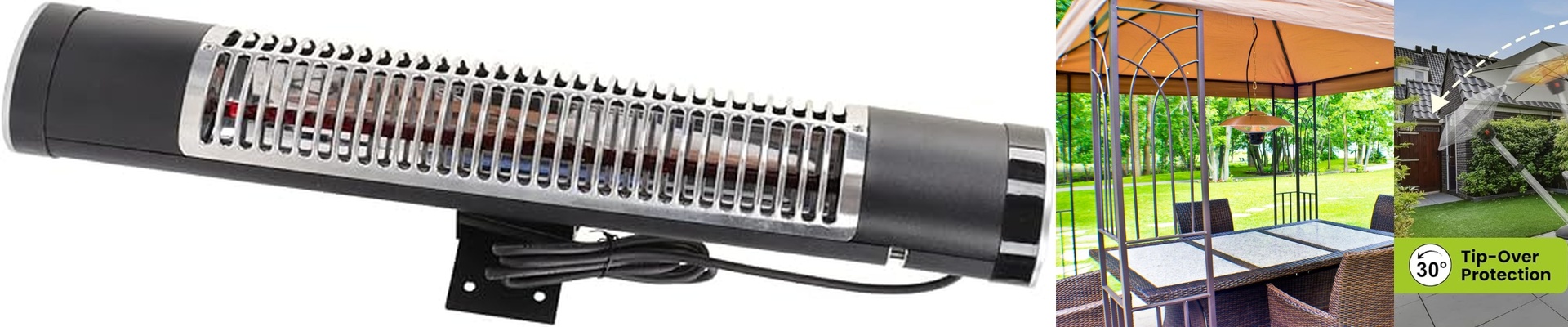
We built our wall-mounted electric heater around a low-inertia infrared core, using a carbon fiber element that comes up to full output in seconds. Heat comes as radiant warmth, not moving air, so the room feels comfortable faster. The specs are straightforward: 120V or 240V models, compact panels that mount cleanly on a wall, and a standard NEMA plug or a hardwire option. Because the element responds quickly, it pairs naturally with smart controls—thermostat, occupancy sensor, or time-of-use logic. The heater can turn on, hit target temperature, and power down without wasted energy.
Why it plays nice in a smart home
In a smart home energy setup, low inertia is the difference between responsive control and a sluggish compromise. The infrared element heats and cools fast, so your control loop can be tighter: heat only when needed, only as long as needed. That means fewer on/off cycles that waste power and fewer comfort swings that keep you tweaking the thermostat by hand. You feel it as steady warmth, and you see it as lower energy use—ideal for living rooms, sunrooms, and hallways that double as transition spaces.
What to keep in mind
Infrared warmth works best when the heater has a clear line of sight to the people and surfaces you want to warm, so placement matters. Mount it where it can radiate toward seating, not directly at a wall. The unit itself is quiet and efficient, but the most dependable smart savings come from pairing it with a compatible thermostat or control system. For best results, choose the voltage that matches your home’s circuit and plan the wiring during installation—or loop in an electrician.