Stop Fighting Your SIPA Blowers: A Better Way to Handle Heat
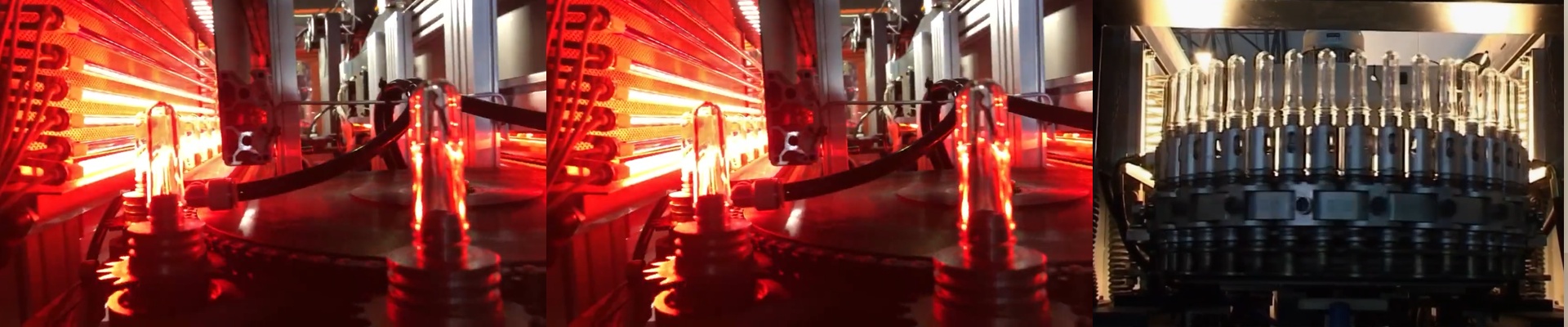
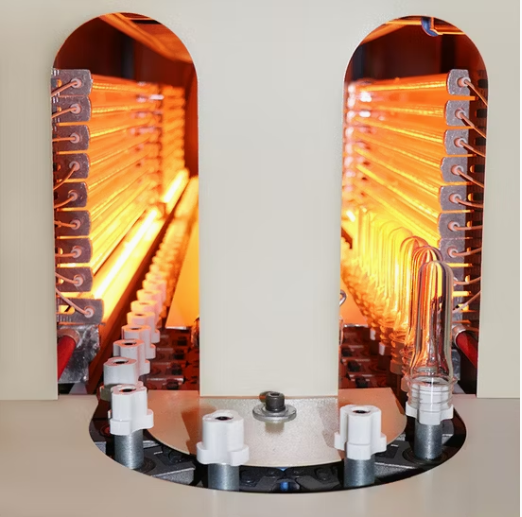
Ever deal with those annoying wall thickness variations in your PET bottles? One side is thin, the other is thick, and suddenly you’ve got a batch of failures. It’s a headache. Most of the time, the culprit is uneven heat. It usually happens when someone swaps in replacement lamps that almost match the OEM specs, but not quite. You end up with these frustrating cold spots or areas that just overheat. We build our replacement lamps for Techne and SIPA blowers to stop that. We make sure the power matches exactly, so your preforms stay at the right temperature throughout the whole rotation. No surprises. The truth about “power matching” Here is the thing: the wattage number on the box doesn’t tell the whole story. It’s really about how the voltage, length, and heat density play together. If a lamp is off by even 5%, the infrared wave pattern shifts. It sounds like a tiny detail, but it’s enough to make your preform heat unevenly. We mirror the exact electrical footprint of the original SIPA lamps. That means you can just pop them in without having to spend hours messing with your PLC settings. Built for the grind We use heavy-wall quartz glass because these things take a beating from rapid thermal cycling. Whether you’re using R7s or Sk15 connectors, these are designed to be drop-in replacements. You won’t be fighting with your wiring or trying to bend brackets to make them fit. Inside the tube, the halogen cycle keeps the tungsten from evaporating too fast. It’s simple physics that keeps your light output steady for thousands of hours. A quick reality check Now, a word of warning. High-wattage shortwave lamps put out an intense amount of heat. You need that intensity to keep your cycle times fast, but it’s hard on your reflectors. If your reflectors are pitted or oxidized, even the best lamp in the world won’t save you. The IR energy just won’t hit the preform. If you don’t keep those optics clean, you’re basically just paying to heat up the machine frame. Give your reflectors a scrub, slide in a matched lamp, and you’ll actually see the difference in your output.