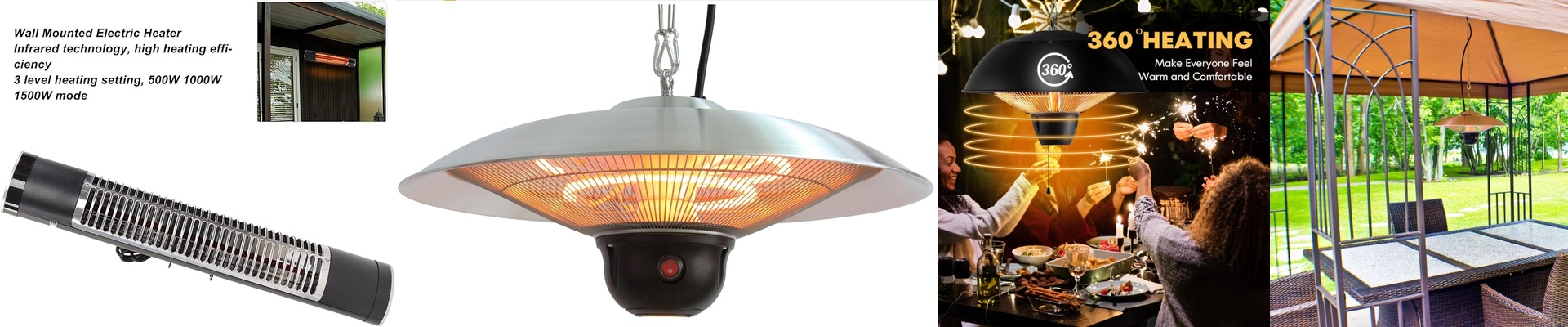
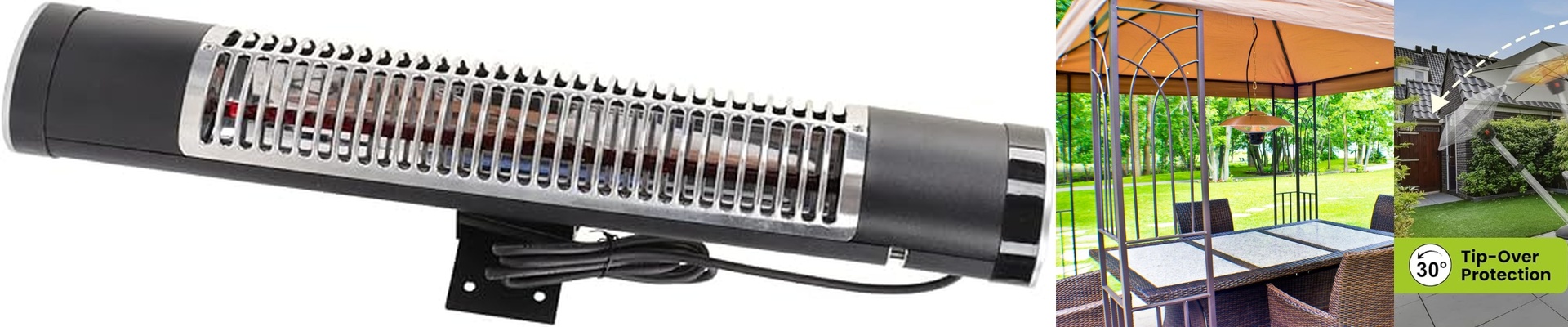
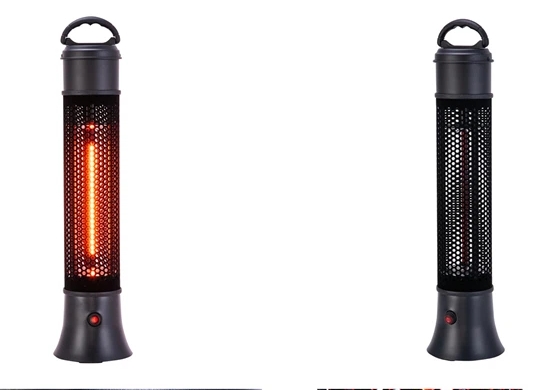
Walk into a Hotel room after a long day on the road. Hit the switch on the infrared heater, and you get a beat of silence before anything happens. Then a faint glow shows up, creeping into brightness. That pause isn’t just a nuisance. It’s telling you something. What’s actually going on under the hood Hotel infrared heaters live and die by the heating element—its purity and how it’s built. A high-purity quartz tube with a dense, evenly wound element comes up to temperature fast and puts out steady radiant heat. Hit the power button, and a solid unit gives you a clean amber glow almost right away—usually within 1 to 3 seconds. If the glow is slow and patchy, you’re looking at cheaper materials, loose connections, or an element that’s struggling to reach operating temperature. Make sure the heater is rated for standard 120V outlets and has tip-over protection plus overheat protection. The good ones deliver quiet, directional warmth without pushing air around, so you get comfort without drafts. Why this matters in a hotel room In a hotel, reliability is comfort. You want heat that shows up when you need it, not minutes later. A heater that glows quickly tells you the element is clean, dense, and efficient, so you get consistent radiant heat that warms people and surfaces directly. That means faster comfort after a cold commute, less load on the room’s HVAC, and a steady feel across the space. For guests, it also means fewer temperature swings and a unit that feels ready the moment you flip the switch. The practical details Infrared warmth is directional, so placement matters. Face the heater toward the seating area, not a wall. Keep it at least three feet from anything combustible and lean on the built-in safety features. Because radiant heat depends on line of sight, small gaps or furniture placement can create cooler pockets. Set the position first, then enjoy the glow.