Why we put our bathroom lamps through “the steam chamber”
Let’s be honest: bathrooms are absolute nightmares for electronics. You’ve got thick steam, wild temperature jumps, and water vapor getting into every little crack. If we just tested these lamps on a dry workbench and called it a day, they’d fail the second a customer took a hot shower. That’s why we put every single batch through a brutal “damp-heat” aging process. It’s basically a stress test to make sure they actually work in the real world.
The battle against moisture
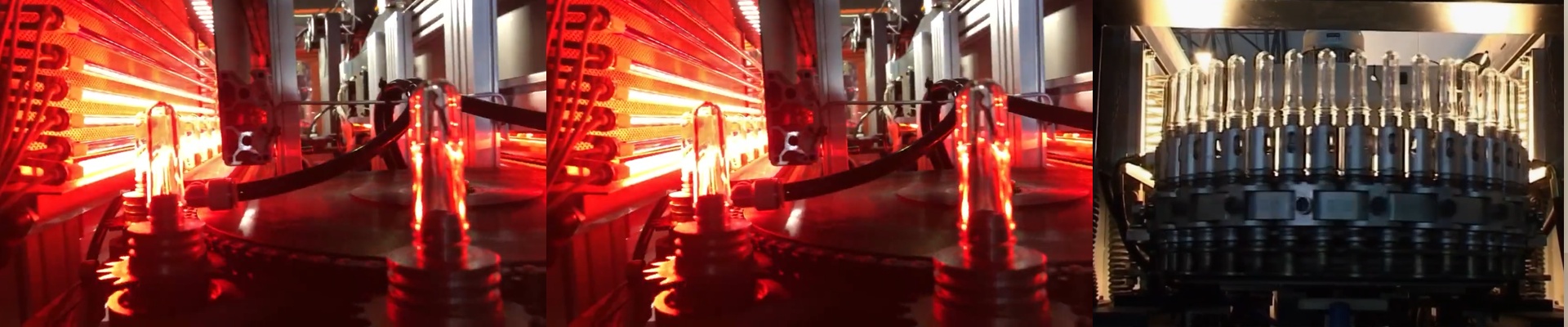
Most of our heaters use quartz glass. Now, quartz is great with heat, but the spot where the glass meets the metal electrodes? That’s the danger zone. If even a tiny bit of moisture sneaks through that seal and hits the tungsten filament, the lamp is toast. Instant burnout. To stop that from happening, we toss the units into a high-humidity chamber. We crank up the moisture and cycle the power over and over. It’s a shortcut to simulate years of bathroom steam. If there’s a weak seal, we find it here—not in your ceiling.
Stopping the “creep”
Water doesn’t just kill the filament, though. It can also crawl across the ceramic insulators. In the industry, we call this “creepage.” In plain English? It’s when moisture creates a path for electricity to go where it shouldn’t, which leads to short circuits. After the aging process, we check the insulation resistance. If the numbers aren’t exactly where they need to be, the whole batch gets scrapped. No exceptions.
Making the hard calls
Here is the tricky part: we could make the seals incredibly thick to keep every drop of water out, but that can slightly change how the infrared heat feels. We’ve decided that a tiny shift in the heat spectrum is a fair trade-off. Why? Because it’s way better than having your lamp pop the first time you step into a steamy bathroom. At the end of the day, it’s simple. You get a lamp that actually lasts, and we don’t have to deal with a mountain of returns. It’s just the right way to build things for a wet zone.