
What This Heater Is Really All About
We built this Alexa-compatible infrared heater for engineers who crave one thing: heat they can control. No waiting around. No lag. Just instant, precise warmth. It’s all about getting rid of the frustration of convection systems. The kind that take their sweet time warming up a space.
The Heart of the Matter: Power and Design
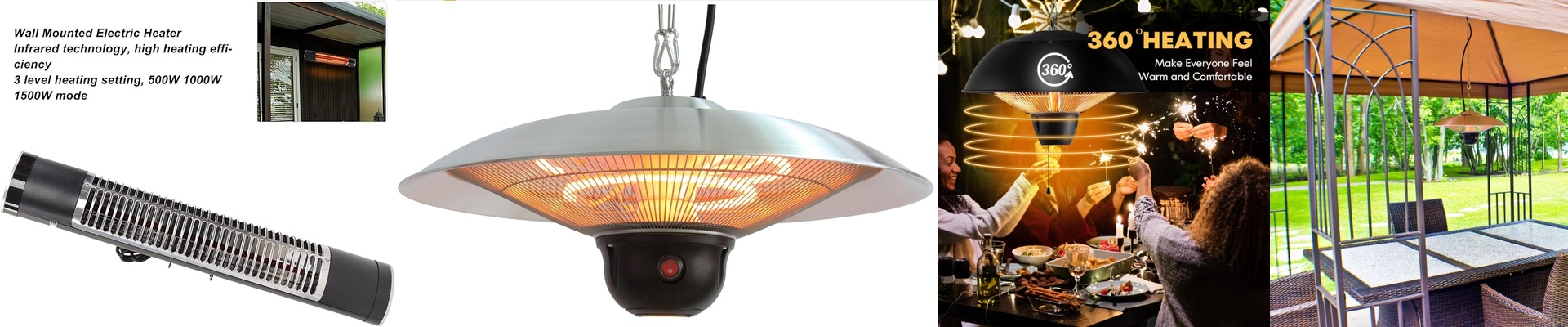
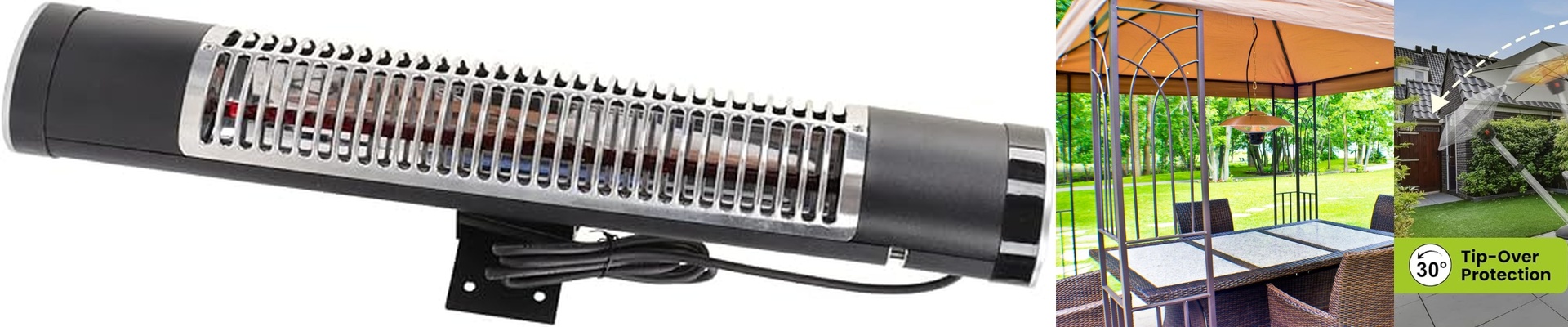
At the core is a high-output halogen tube. It runs straight off standard wall power, and it throws off a focused blast of heat. Perfect for industrial spots or semi-commercial spaces that need serious, dependable warmth. We carefully chose the tube’s length and diameter to hit that sweet spot between electrical resistance and radiant efficiency. The result? You get a predictable heat footprint without overloading your circuit. And the Alexa integration? It’s simple. It handles on/off commands and scheduling. But it doesn’t mess with the fundamental physics of how the heat is generated. It just makes your life easier.
Built to Last: The Halogen Core and Connection
Inside that tough quartz envelope, a halogen cycle does its thing. It keeps the filament stable, even at scorching temperatures. That’s what gives you consistent output over the long haul. Forget about the rapid burn-out you get with basic incandescent elements. This design is built to last. The R7s connector is the unsung hero here. It’s a straightforward, solid connection that handles high current and the thermal expansion of the quartz tube. This means the unit is a simple, drop-in replacement for existing fixtures. No fuss.
The Secret to That Lingering Warmth
Here’s the thing about this heater: it keeps giving even after you turn it off. That’s thanks to its thermal mass. When the power cuts, the quartz tube and internal parts are still holding a ton of heat. They keep radiating warmth until they naturally cool down to the room’s temperature. This is the “value-added warmth” we talk about. Your objects, your floors, they stay toasty even after the heater shuts down. Now, there’s a small trade-off. Because the tube holds onto that heat, it needs a moment to cool before it can restart. That’s just how high-density radiant elements work. And it’s exactly why the surrounding materials stay so pleasantly warm.