Introduction
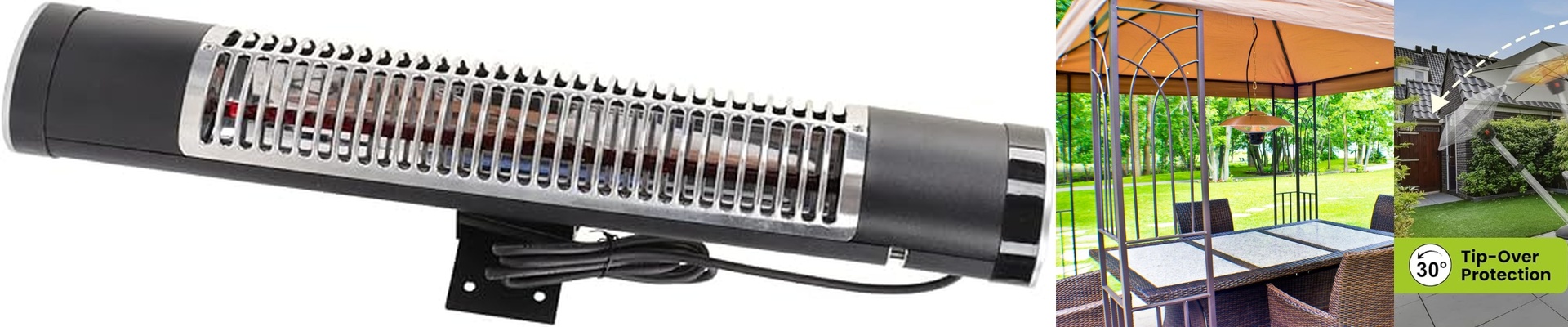
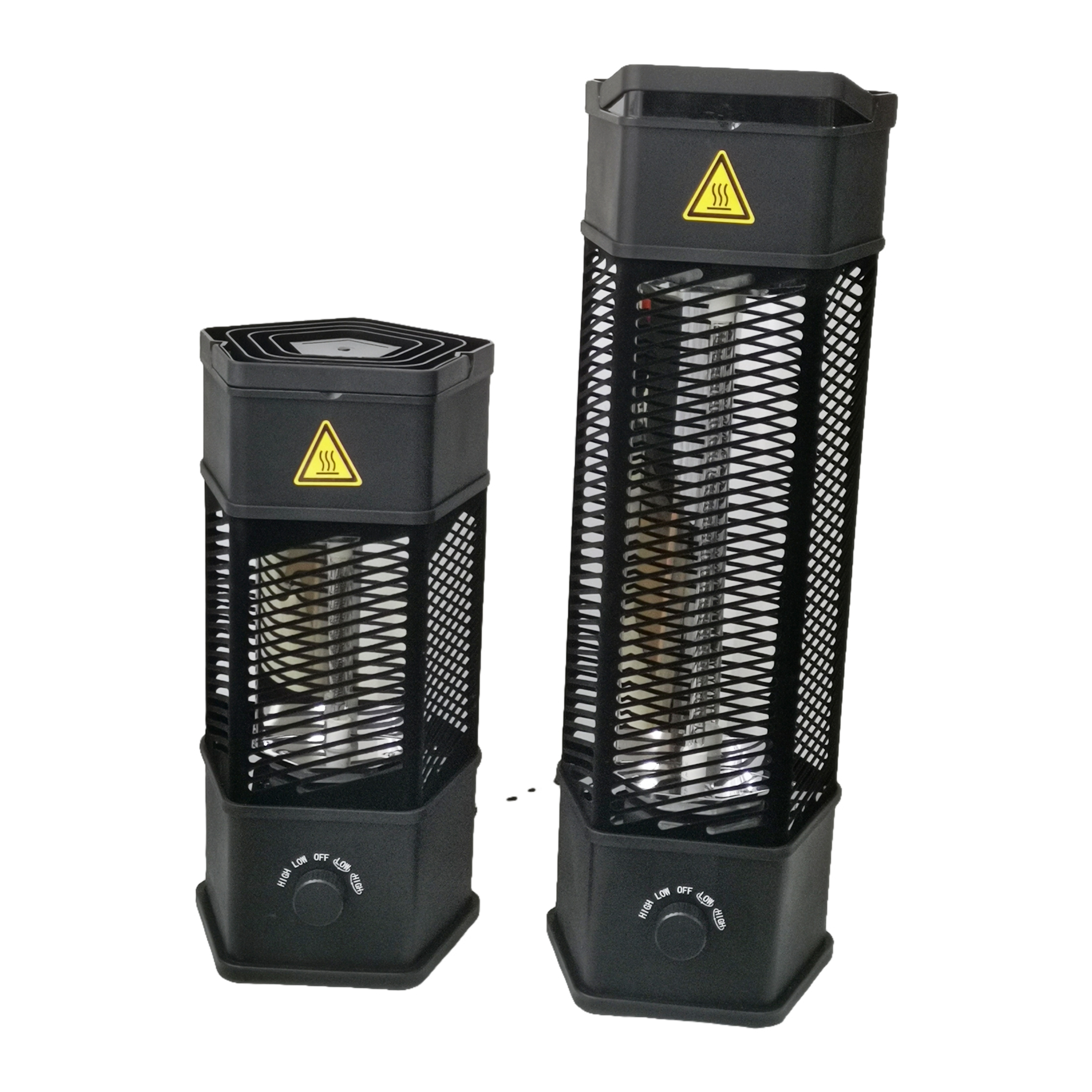
We built this personal desk heater for engineers who absolutely refuse to put their work at the mercy of temperature swings. At its heart is a high-output infrared halogen lamp. It’s all about giving you stable, focused heat—the kind you need when a tiny temperature shift can ruin a part. Our whole goal was simple: keep gold coating processes within a tolerance of 0.1mm. That one requirement shaped everything. From how we laid out the filament to the connectors on the end caps, every choice was driven by that need for repeatable heat.
Technical Deep-Dive: Power, Voltage, and Geometry
To hit that kind of precision, we didn’t just chase wattage. We designed for a specific heat density. The footprint is compact, so it fits easily on a workbench, but it still keeps a consistent focal distance. The voltage is matched to your control circuitry, so the lamp runs at a steady temperature without constantly hunting for power. It responds fast. Command it, and the heat is there—almost instantly. This isn’t a general-purpose heater. It’s a calibrated thermal tool, pure and simple.
Material and Design: Halogen, Quartz, and the R7s Interface
The halogen cycle keeps the quartz envelope clean, so output doesn’t fade over time. That matters because even a small drop in output changes your coating profile. To keep the cycle working, the filament runs hot. That means we need a quartz tube tough enough to handle the thermal shock. And the R7s connector? Not an afterthought. It handles the current, keeps alignment solid, and locks the lamp in place. Because a loose lamp means a drifting hot spot—and that drift will blow right past the 0.1mm spec.
Application and Benefits: Precision Heat Where It Counts
On your bench, this lamp gives you a tight, controllable heat zone. It heats up fast, holds steady, and cools down predictably. That repeatability is what lets you hit tight coating tolerances without making the whole process overly complicated. A quick heads-up: high heat density means you need proper heat management. Make sure your fixture has enough clearance and that nearby electronics can handle the ambient temperature. It’s a drop-in thermal tool, made for engineers who measure their work in microns, not degrees.