Introduction
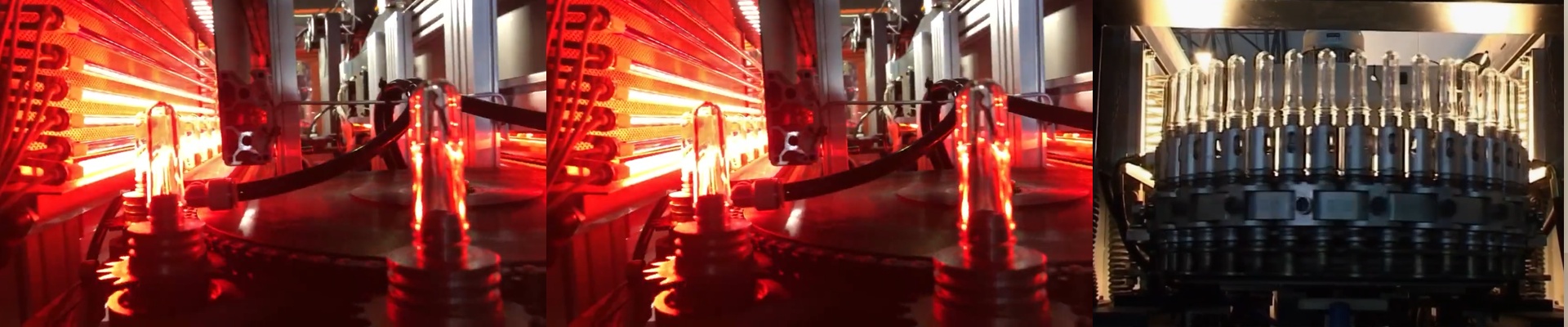
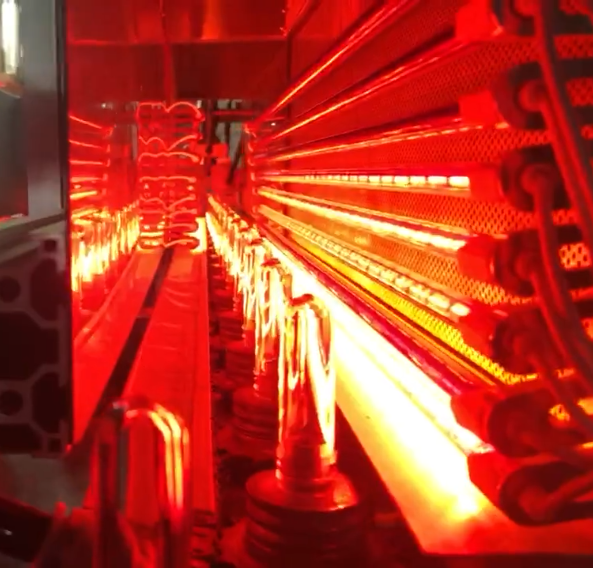
We make bulk infrared (IR) lamps built specifically for Sidel Matrix blow molding lines. The whole point? Drop our lamps in, and the temperature rise follows Sidel’s original spec. It’s a straight swap—engineered so your PET heating stays steady, no guesswork.
Power, Voltage, and Fit: The Practical Details
Here’s the thing about Sidel Matrix heating sections: the thermal space is tight, and every millimeter matters. So we match the original footprint—same lengths, same clearances—so the lamp sits right inside the reflector without casting shadows. We run these at high voltage, typically 400V. Why? Because it delivers the same power with lower current. And lower current means smaller wiring, less voltage drop at the terminals, and a cooler electrical cabinet. Wattage is tuned for the heat density the PET parison actually needs. Too low, and the cycle drags. Too high, and you risk scorching. Our lamps hit setpoint fast—then hold it steady, without the temperature wobbling.
Built to Last: Halogen, Quartz, Coating, and Connectors
Inside, you’ve got a halogen-filled filament inside a quartz envelope. Halogen helps keep the filament stable when things get scorching, so the lamp stays consistent and resists blackening over time. Quartz handles rapid heating and cooling without cracking under the stress. The external coating is chosen for even heat radiation—no hot spots, no cold streaks. Just smooth, predictable warmth. For the connections, we use R7s-style connectors. They give solid contact, line up the same way every time, and make installation quick. The geometry matches the original sockets, so you wire it exactly as before, with the same clearances.
What It Feels Like on the Floor: Performance and Real-World Use
On a PET blow line, the lamp has to heat fast and even, so the parison stretches the way you expect. Our lamp matches the OEM thermal profile, so you don’t have to retune the machine just to get back to normal. That means fewer rejects and steady throughput. Now, these are high-density heaters, so they need proper cooling. Keep your blower clean and make sure the airflow is matched to the wattage. Treat them right, and you get stable heating, easy replacements, and fewer surprise stoppages that wreck your rhythm.