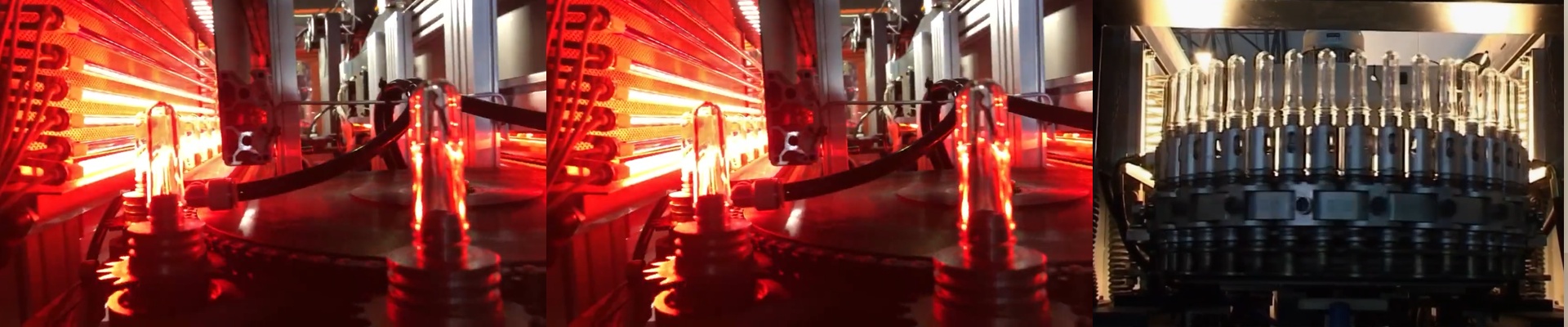
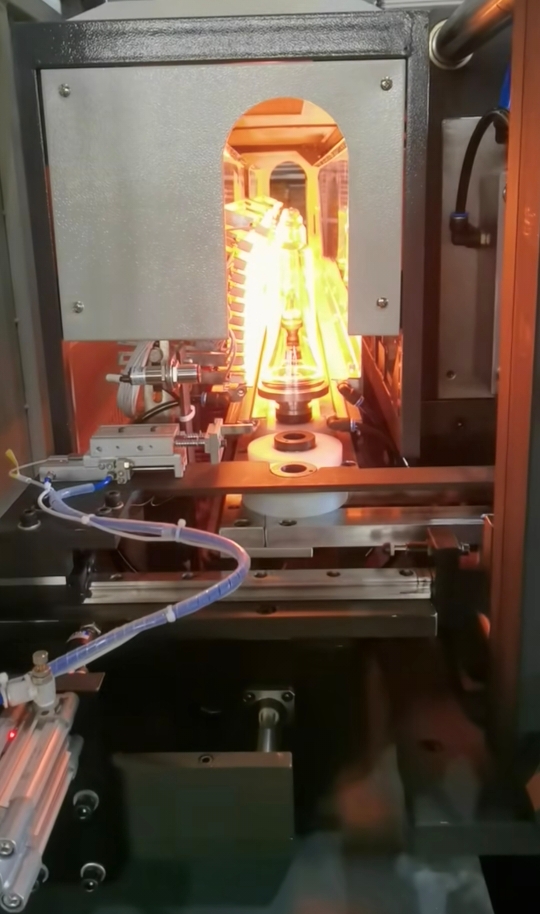
On the blow molding floor, heating drift is the quiet killer of output. When your Sidel SBO tunnel starts running uneven, you pay for it in thin walls, flash, and scrap. The fix starts where the heat starts—at the emitter. We run Sidel SBO heater lamps built to match the OEM thermal profile, so preform heating lands in the right window, cycle after cycle.
What matters, technically
We build SBO heater lamps with short-wave infrared halogen emitters inside quartz tubes, tuned to the PET preform absorption curve. Standard ratings are 2400–3000 W, 230 V or 115 V, with R7s bases and arc lengths that line up exactly to SBO reflectors and sockets. Filament geometry and reflector coatings are set to put the heat in a tight focal band—on the preform, not all over the machine frame. Every lamp is measured for output consistency, and we publish operating curves so you can predict heating time instead of guessing.
Why it holds up on real machines
Sidel SBO blow molders need repeatable heat, period. Our lamps restore the original heat density and dwell, and that cuts scrap and stabilizes wall thickness. Once heating is stable, you can tighten the soak window. That often translates into faster cycles and lower kWh per thousand bottles. Operators see fewer temperature alarms, and maintenance sees longer emitter life—fewer tunnel stops and less downtime spent chasing lamps.
The details that keep you out of trouble
Installation is straightforward, but alignment is where people get tripped up. A lamp seated off-axis changes the spot pattern and throws off the heating profile. Check reflector condition and clean the contacts—oxidation drives voltage drop and uneven heat.
Expect the wattage trade-off: higher wattage heats up faster, but it shortens filament life. Match the wattage to your bottle weight and cycle target, and keep spares on hand so you can do planned changeouts instead of emergency ones.