

Why we’re ditching the old lamp warmers for waterproof infrared
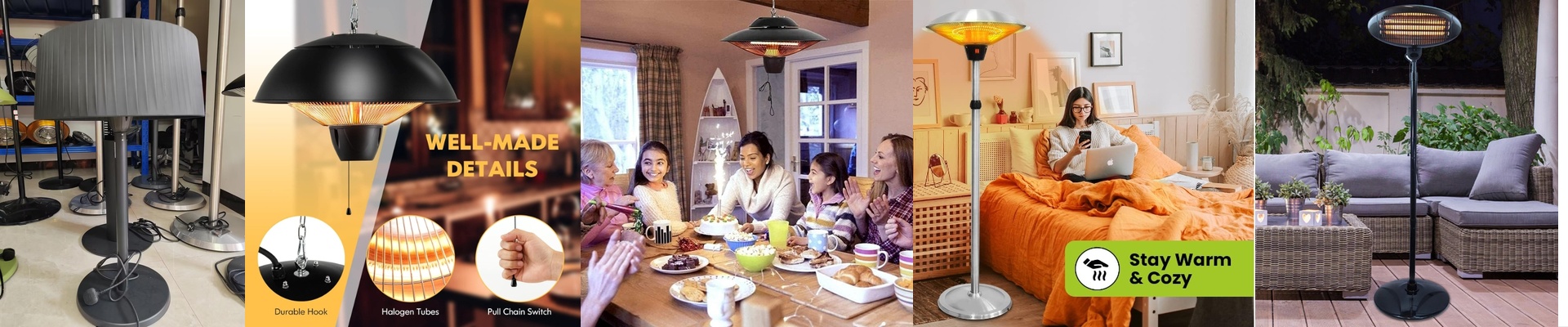
Ever notice how those old-school heat lamps always seem to give up the ghost right when you need them? Especially in a steamy bathroom or a damp room. It’s because they aren’t actually built for moisture. They let the humidity seep right into the guts of the machine, and that’s a recipe for disaster. That’s why we’ve been moving toward high-ceiling infrared heaters with proper waterproof ratings. It’s not about making the room look fancy. It’s about making sure the thing doesn’t short out the moment the shower starts. The deal with IP ratings If you’ve ever had a heater die after just one or two winters, you’ve probably dealt with corrosion. Standard heaters let steam drift into the housing, which eats away at the electrical terminals and burns out the filaments. We look for high IP (Ingress Protection) ratings now. Basically, it means the chassis is sealed tight. Whether it’s a cloud of steam or a stray splash of water, it stays on the outside. Your electronics stay dry, and the heater actually lasts. Getting heat from a high ceiling Here’s the tricky part: if your ceilings are high—say, 3 meters or more—a normal heater is kind of a waste. It tries to warm up all the air in the room, and by the time that heat reaches you, most of it has vanished. Infrared is different. It doesn’t bother with the air; it goes straight for the object it’s pointing at. In this case, that’s you. You feel that warmth on your skin the second you flip the switch. No waiting around in a cold room. The trade-offs (and a warning) Now, you can’t just wrap a powerful heater in plastic and call it a day. It would melt. To keep the internals from cooking themselves, these units use aluminum heat sinks and vented backs to let the heat escape where it’s supposed to. Because of that heavy-duty build, these units are a bit heavier. You’ll need a solid mounting bracket so it doesn’t sag or pull away from the ceiling over time. One last thing—and this is important. Put these on their own dedicated circuit. These arrays pull a lot of power the moment they kick on. If your wiring is too thin or shared with too many other things, you’re going to be tripping your breaker constantly. Not a great way to start a morning.